
How to Choose the Right Midlayer Fabric for Outdoor Apparel
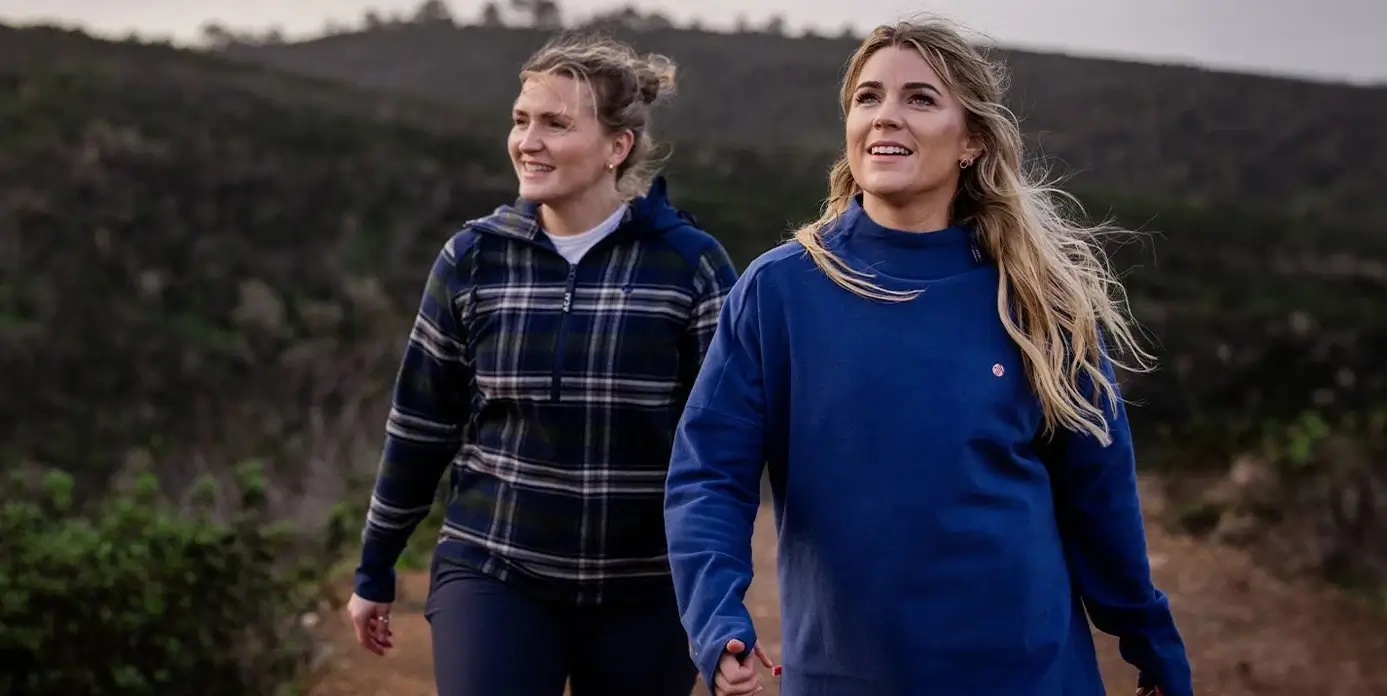
Choosing the right midlayer fabric is essential for developing functional outdoor apparel. A good midlayer should provide warmth without unnecessary bulk while maintaining breathability, moisture management, comfort, and freedom of movement.
For outdoor brands and garment manufacturers, fabric selection should consider construction, GSM, insulation, breathability, moisture management, durability, and intended end use.
1.Understanding Midlayer Fabrics
1.1 What Is a Midlayer?
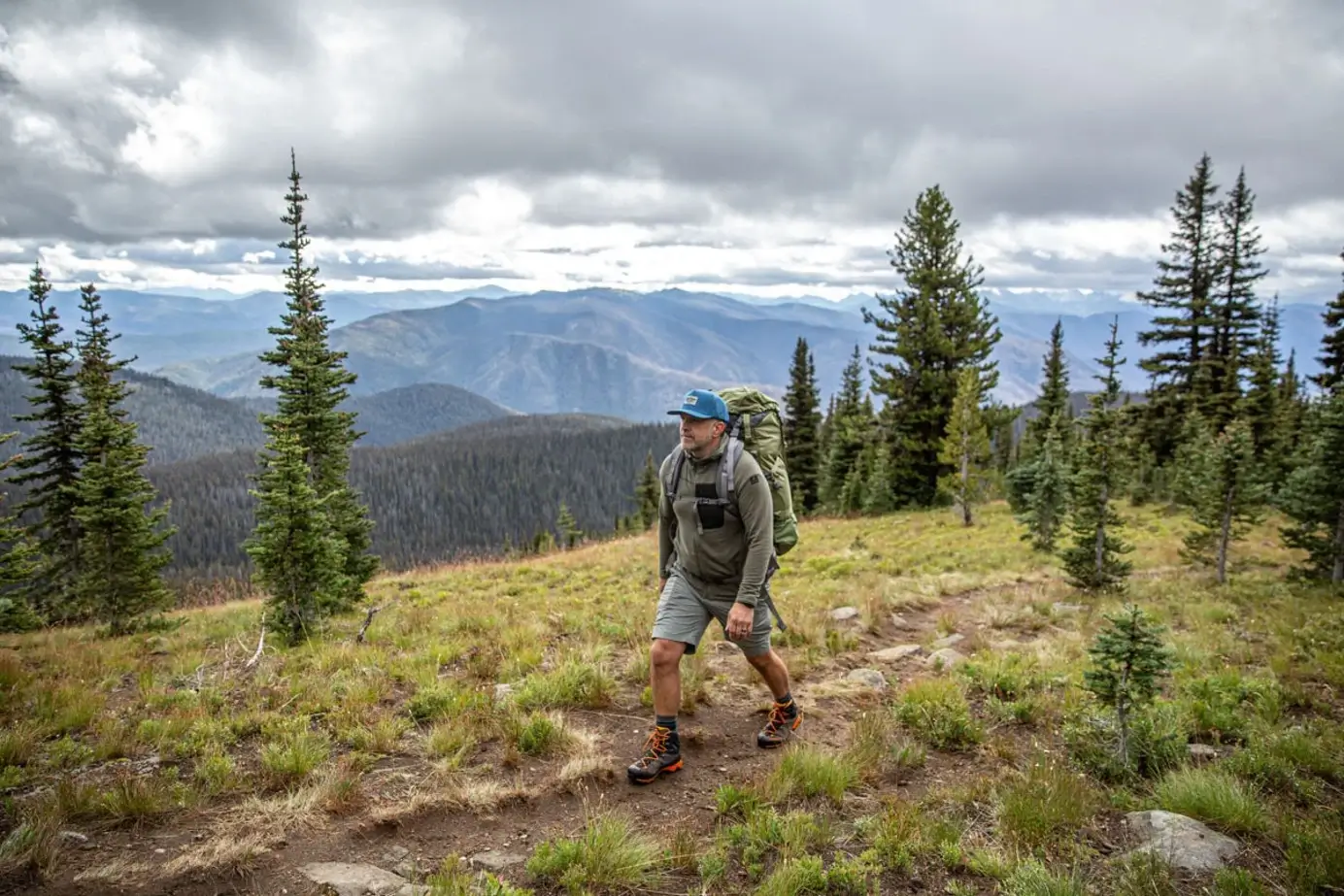
A midlayer is the insulating layer worn between the base layer and outer shell. The base layer manages moisture, the midlayer provides warmth, and the outer shell protects against wind, rain, and snow.
The ideal midlayer is not simply the warmest fabric. It should provide the right balance of thermal insulation, breathability, moisture management, and mobility for the intended activity.
1.2 Key Performance Factors
When selecting a midlayer fabric, consider:
- Thermal insulation: Fabric structure, fiber type, loft, and surface texture affect warmth.
- Breathability: Allows excess heat and moisture vapor to escape during activity.
- Moisture management: Moisture-wicking, quick-drying, air permeability, and moisture vapor transmission help maintain comfort.
- Weight and packability: Lightweight fabrics are useful for trekking, ski touring, and mountaineering.
- Durability: Abrasion resistance, pilling resistance, dimensional stability, colorfastness, and stretch recovery are important for outdoor use.
2.Common Midlayer Fabric Types
2.1 Fleece Fabric
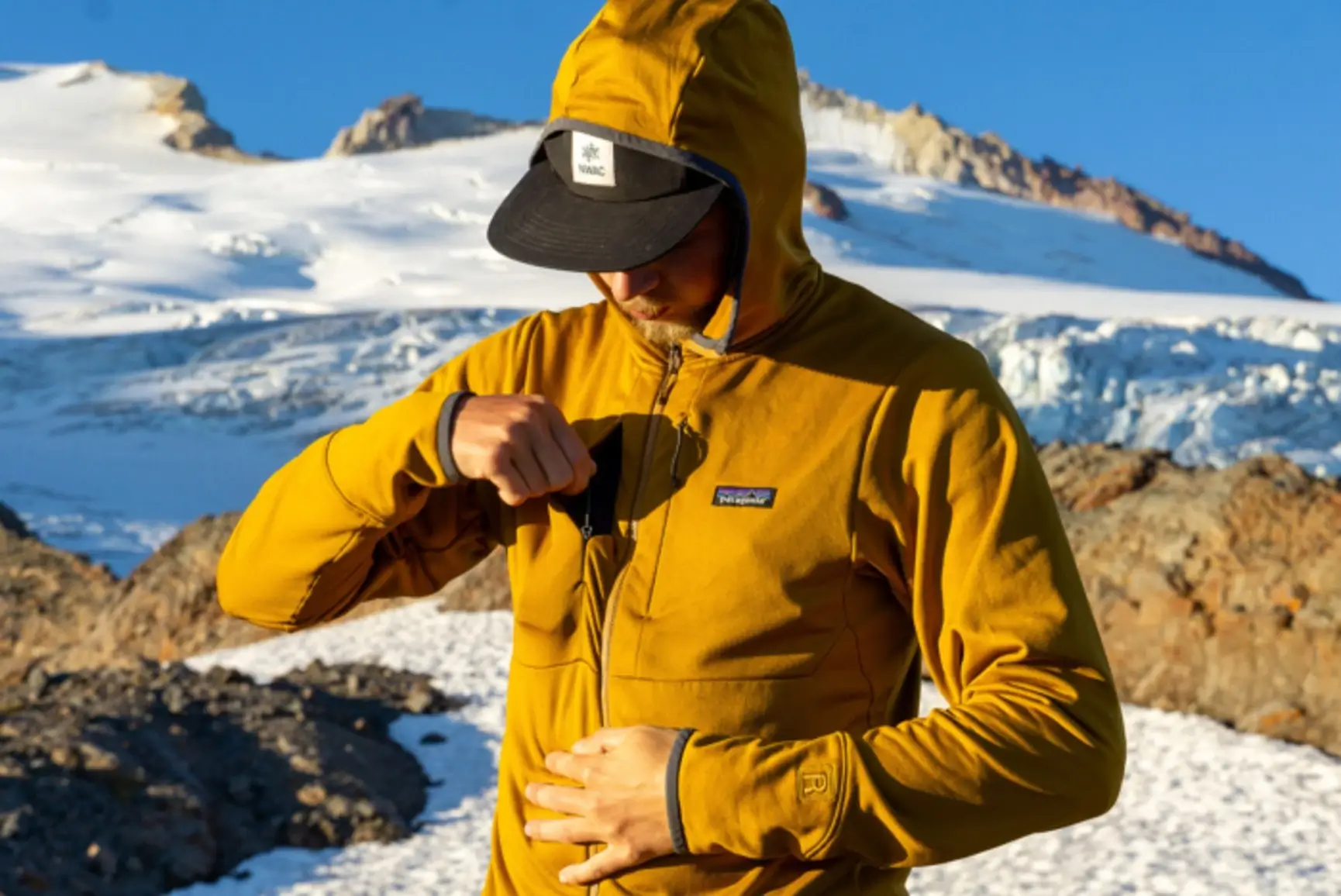
Fleece is one of the most versatile midlayer fabrics. Usually made from polyester, it can be brushed to create a soft, air-trapping surface that provides a good combination of warmth, breathability, quick drying, and comfort.
It is widely used for hiking jackets, ski midlayers, outdoor hoodies, trekking apparel, and casual outdoor jackets.
When sourcing fleece, buyers should evaluate more than GSM. Fiber composition, knitting construction, brushing quality, anti-pilling performance, stretch, air permeability, colorfastness, and dimensional stability can significantly affect performance.
2.2 High-Pile and Sherpa Fabrics
High-pile and Sherpa fabrics feature a longer, loftier surface that provides excellent warmth and a soft hand feel. They are commonly used in winter jackets, lifestyle apparel, and jacket linings.
However, higher pile can increase bulk. Buyers should pay attention to pile stability, shedding, pilling, abrasion resistance, and compression performance.
2.3 Synthetic Insulation
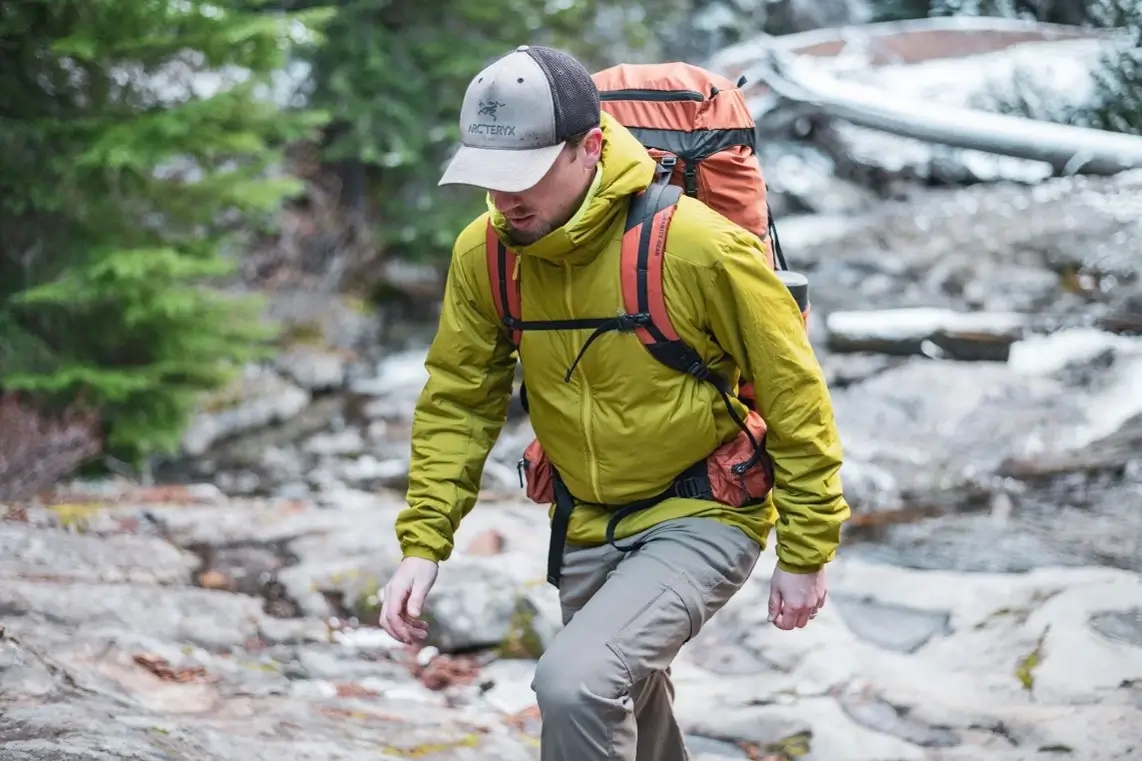
Synthetic insulation is widely used in technical outdoor jackets where warmth, low weight, and moisture tolerance are important. Polyester-based fibers create air-trapping structures that provide insulation while maintaining good performance in humid or wet conditions.
When developing synthetic-insulated garments, consider fill weight, loft, construction, breathability, and overall garment design.
2.4 Down Insulation
Down offers an excellent warmth-to-weight ratio, making it suitable for lightweight winter jackets, mountaineering apparel, cold-weather trekking, and packable insulated garments.
Its main limitation is moisture. Traditional down can lose loft and insulation when wet, so synthetic insulation, treated down, or hybrid systems may be better suited to humid or wet environments.

3.How to Choose the Right Midlayer
3.1 Fleece vs. Synthetic Insulation
For high-output activities, breathable fleece is often a strong choice because of its breathability, quick drying, and moisture management.
For garments requiring higher insulation with relatively low bulk, synthetic insulation may be more suitable. Some technical garments combine multiple materials to achieve targeted performance.
3.2 Choosing the Right GSM
There is no universal GSM requirement for midlayer fabrics. As a general starting point:
- Lightweight: approximately 100–200 GSM
- Midweight: approximately 200–300 GSM
- Heavyweight: 300 GSM and above
However, GSM should never be evaluated alone. Fiber type, fabric construction, loft, brushing, density, and finishing can all affect thermal performance. Two fabrics with the same GSM may perform very differently.
3.3 Matching Fabric to Outdoor Activities
| Outdoor Activity | Recommended Fabric | Key Priorities |
| Hiking | Fleece / Lightweight insulation | Breathability, quick drying |
| Skiing | Lightweight fleece / Synthetic insulation | Mobility, moisture management |
| Trekking | Fleece / Synthetic insulation | Weight, durability, packability |
| Mountaineering | Down / Synthetic insulation | Warmth-to-weight ratio |
| Winter camping | High-pile / Heavyweight insulation | Maximum warmth |
| Outdoor lifestyle | Fleece / High-pile fleece | Comfort, appearance, warmth |
The best fabric depends on the climate, activity intensity, garment design, and target performance, rather than fabric weight alone.
4.Key Specifications for Fabric Buyers
When sourcing midlayer fabrics, buyers should look beyond basic composition and GSM. Important specifications may include:
4.1 Basic Specifications
- Fiber composition
- GSM
- Fabric width
- Fabric construction
4.2 Performance Specifications
- Air permeability
- Moisture management
- Pilling resistance
- Abrasion resistance
- Colorfastness
- Stretch and recovery
- Dimensional stability
These specifications help buyers evaluate whether a fabric can meet the requirements of hiking, skiing, climbing, trekking, and other outdoor applications.
5.How to Choose a Reliable Midlayer Fabric Supplier
Fabric performance is only one part of successful outdoor apparel development. A reliable supplier should also provide consistent quality, technical support, development capability, and stable bulk production.
Before placing a bulk order, consider whether the supplier can provide:
- Detailed fabric specifications
- Development samples
- Performance testing
- Color and finishing options
- Customized fabric construction
- Required certifications
- Stable bulk production
- Clear MOQ requirements
- Reliable lead times
Whenever possible, evaluate the fabric in the finished garment, as its performance can change after brushing, lamination, printing, cutting, and sewing.
6.Final Thoughts
There is no single best fabric for every midlayer application.
Fleece is a versatile option for breathability, comfort, and quick drying. High-pile fleece is suitable when warmth, softness, and appearance are priorities. Synthetic insulation provides lightweight warmth and good moisture tolerance, while down offers excellent warmth-to-weight performance in cold and relatively dry conditions.
Ultimately, successful midlayer development requires a balance of composition, GSM, construction, insulation, breathability, moisture management, durability, and end use. The goal is not simply to choose the warmest fabric, but to develop a midlayer that delivers the right combination of warmth, comfort, mobility, and performance.
7.About Youvion
At Youvion, we engineer high-performance functional fabrics designed for demanding applications, including outdoor apparel, backpacks, camping tents, and tactical gear.
Our fabric solutions include waterproof, windproof, breathable, abrasion-resistant, ripstop, UV-blocking, and flame-retardant fabrics. Beyond fabric supply, we work closely with customers through OEM & ODM development, supporting the process from polymer formulation and weaving to advanced coating, lamination, and finished-goods delivery.
Whether you are developing a new outdoor collection, sourcing performance fabrics, or looking for customized fabric solutions, our technical team can support your project from concept to production.
Youvion – High-Performance Functional Fabrics
📧 Email: [email protected]
🌐 Website: https://www.youvion.com
For detailed specifications, customization options, samples, or project discussions, please contact our team directly.
