
Recycled Polyester (rPET): What It Is, How It’s Made, and Why It Matters for Outdoor Fabrics

Recycled polyester (rPET) is widely used in modern textile production. It offers many of the performance characteristics of conventional polyester, including strength, abrasion resistance, dimensional stability, quick drying, and moisture management, while using recycled raw materials.
For outdoor fabric manufacturers and product developers, choosing rPET involves more than recycled content. Yarn specification, fabric construction, GSM, finishing technology, and end-use requirements all influence final performance. This guide explains what rPET is, how it is made, its key properties, and how it is used in outdoor apparel, backpacks, tents, and tactical gear.
1.What Is Recycled Polyester (rPET)?
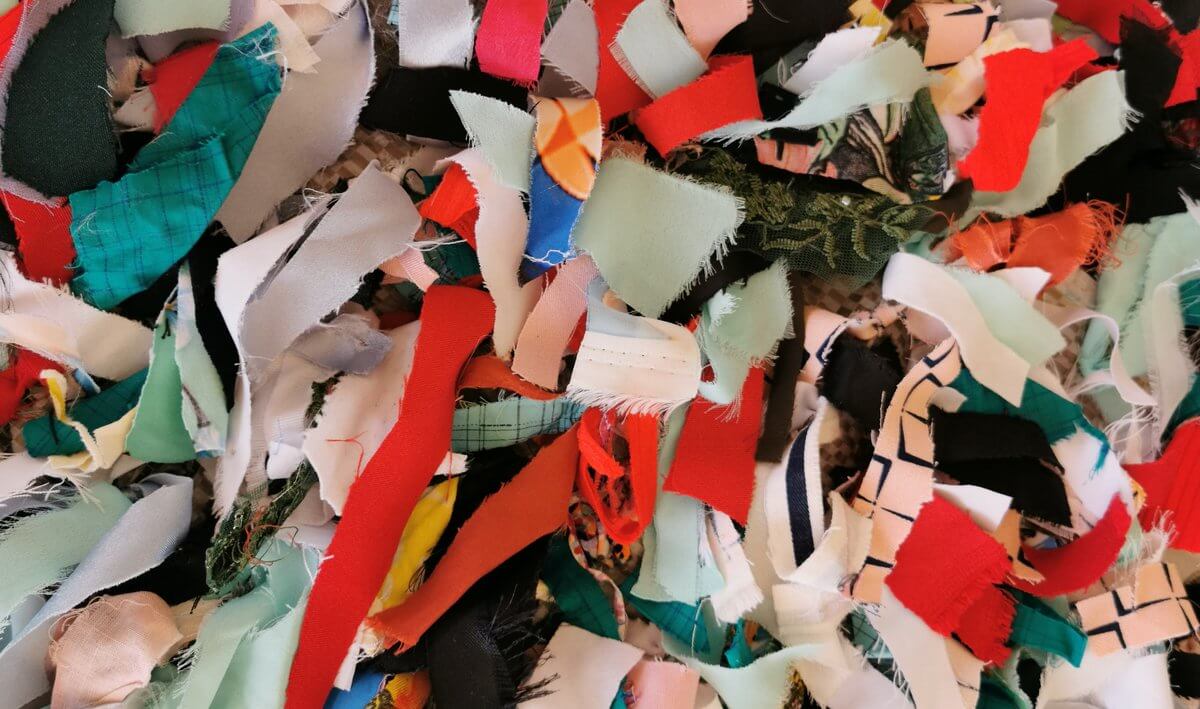
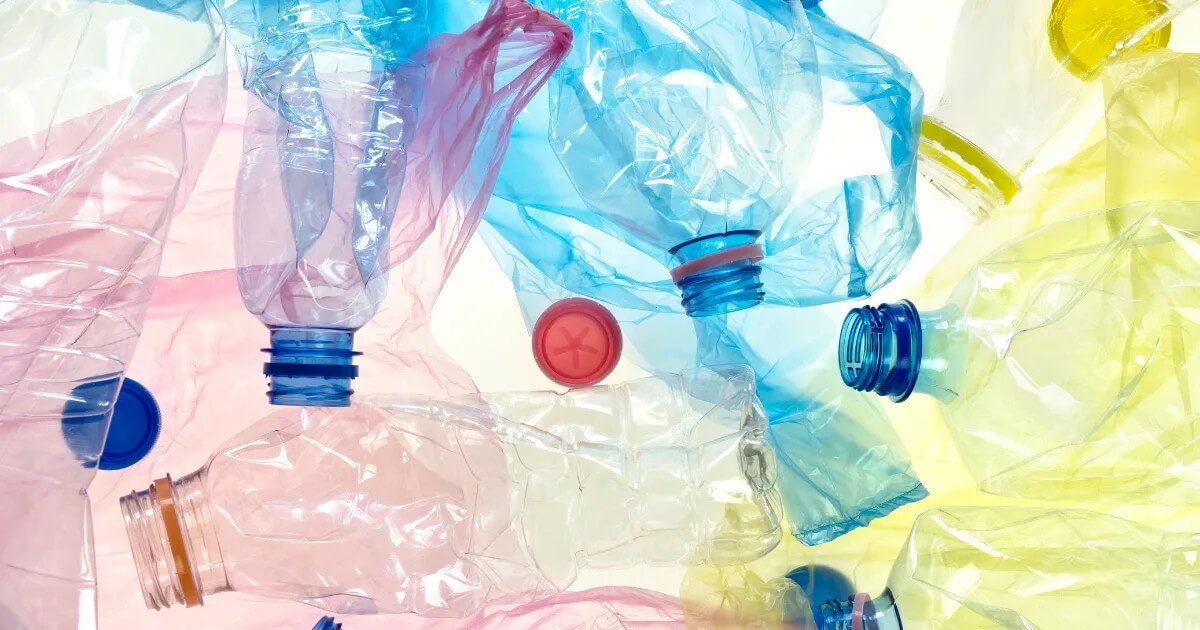
Recycled polyester (rPET) is polyester made from recycled materials rather than entirely new raw materials. Depending on the recycling system, the feedstock can include recycled PET bottles, pre-consumer textile waste, post-consumer polyester waste, and other suitable polyester waste streams.
A common PET-bottle-based production route is:
PET waste → recycled polymer → fiber/filament → yarn → fabric → finished product
The recycled material is collected, sorted, cleaned, processed into recycled polymer, and then converted into fibers or filaments for yarn production. Compared with virgin polyester, using recycled feedstock can reduce the need for newly produced fossil-based raw materials.

2.Is Recycled Polyester the Same as Polyester?
From a performance perspective, recycled polyester and virgin polyester can be very similar. Both can be engineered to provide strength, abrasion resistance, dimensional stability, quick drying, moisture management, and compatibility with coating and lamination.
The main difference is the source of the raw material. However, recycled content alone does not determine fabric performance. A 150D rPET fabric and a 600D rPET fabric can have very different properties because yarn specification, weave, density, GSM, and finishing all affect the final fabric.
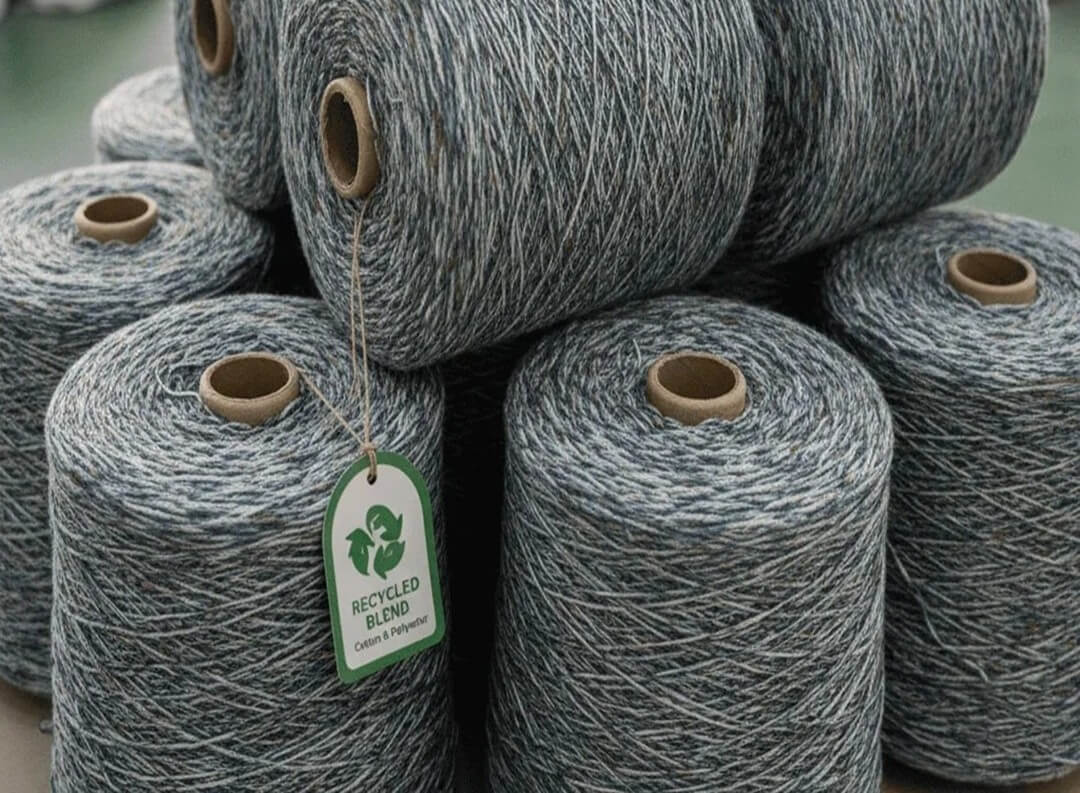
3.What Are the Main Characteristics of rPET Fabric?
rPET can provide many of the functional properties expected from conventional polyester. Its strength and abrasion resistance make it suitable for demanding outdoor applications, while its relatively low moisture absorption supports quick-drying and moisture-management performance.
Through different fabric constructions and finishing technologies, rPET fabrics can also be developed for breathability, moisture wicking, stretch, water resistance, waterproofing, UV protection, and flame retardancy. PU or TPU coatings, waterproof-breathable membranes, lamination, and other functional finishes can be selected according to the final application.

4.Where Is rPET Used in Outdoor Products?
rPET is suitable for a wide range of outdoor products. In outdoor apparel, it can be used for lightweight windproof fabrics, waterproof shells, softshells, rainwear, sportswear, and UV-protective clothing. An outdoor jacket, for example, may combine an rPET face fabric with a waterproof-breathable membrane and protective outer finish.
For backpacks and outdoor equipment, higher-denier or high-density constructions such as 210D, 420D, 600D, 900D, and ripstop fabrics can be selected depending on the required balance of weight, strength, abrasion resistance, flexibility, and water resistance.
In camping tents and outdoor shelters, fabric selection typically focuses on low weight, tear resistance, tensile strength, waterproof performance, UV resistance, dimensional stability, and packability. Suitable yarns, ripstop construction, and PU or other waterproof coatings can be combined to meet these requirements.
For tactical gear, durability is often the priority. Heavier-denier and high-density polyester fabrics can provide the abrasion resistance, tear strength, tensile strength, water resistance, and service life required for backpacks, pouches, protective covers, and other equipment.
5.Is Recycled Polyester Sustainable?
Recycled polyester can reduce the need for virgin polyester raw materials and help keep suitable waste in the production cycle. It can support reduced waste, lower dependence on newly produced fossil-based raw materials, and more circular textile production. Depending on the recycling technology, rPET production may also require less energy than virgin polyester production.
However, rPET is not impact-free. Recycling still requires energy and resources, and polyester textiles can release microfibers during washing. A more accurate description is:
Recycled polyester is a more resource-efficient alternative to virgin polyester in many applications, but it is not completely impact-free.
It is also important to distinguish recycled polyester from post-consumer polyester. Recycled polyester is the broader term and may come from PET bottles, pre-consumer waste, or post-consumer textile waste, while post-consumer polyester specifically refers to polyester recovered after consumer use.
6.What Should Outdoor Brands Consider When Buying rPET Fabric?
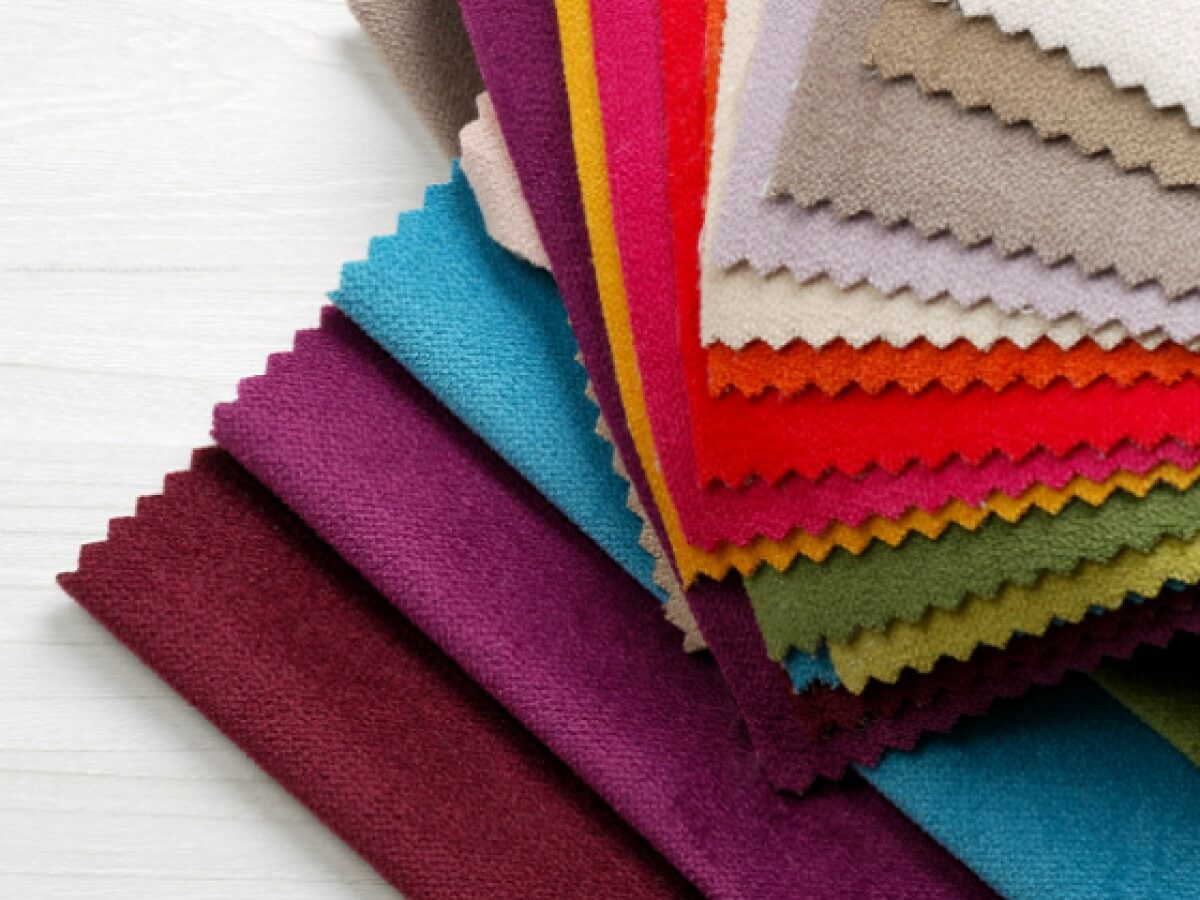
Recycled content should not be the only purchasing criterion. Buyers should evaluate the complete fabric specification according to the final product, including fiber composition, yarn type and denier, fabric construction, GSM, density, ripstop structure, coating or lamination, and required functional performance.
Depending on the application, performance testing may cover tensile strength, tear strength, abrasion resistance, waterproof rating, hydrostatic pressure, breathability, UV resistance, flame retardancy, colorfastness, and dimensional stability. If recycled content is part of a sustainability claim, buyers should also request appropriate documentation, certification, and traceability where applicable. GRS (Global Recycled Standard) may be relevant for verifying recycled material content and supply-chain requirements.
7.Frequently Asked Questions About Recycled Polyester
Is recycled polyester as strong as virgin polyester?
It can be. Properly engineered rPET fabrics can provide performance comparable to virgin polyester, depending on polymer quality, yarn construction, fabric structure, GSM, and finishing.
Is rPET waterproof or breathable?
rPET itself is not inherently waterproof or breathable. These properties depend mainly on fabric construction and finishing systems such as PU/TPU coatings, membranes, and lamination.
Is recycled polyester suitable for outdoor clothing and backpacks?
Yes. rPET can be developed for jackets, rainwear, softshells, sportswear, backpacks, and other outdoor equipment. The appropriate yarn, construction, GSM, and finishing should be selected based on the product's performance requirements.
How should rPET fabric be washed?
For many rPET fabrics, washing at around 30–40°C with a mild detergent and gentle program is appropriate. Air drying is generally preferred. For fabrics with coatings, membranes, or laminations, always follow the garment manufacturer's care instructions.
8.Developing High-Performance rPET Fabrics with Youvion
For outdoor brands, fabric development is not simply about selecting a recycled fiber. The right solution needs to balance performance, durability, weight, comfort, protection, sustainability requirements, and cost according to the final product.
At Youvion, we engineer high-performance functional fabrics that perform where it matters—whether in outdoor clothing, backpacks, camping tents, or tactical gear. Our full-range offering includes waterproof, windproof, breathable, abrasion-resistant, ripstop, UV-blocking, and flame-retardant solutions. And we don't just sell fabric; we partner with you through OEM & ODM custom development, managing everything from initial polymer formulation and weaving to advanced coating, lamination, and finished-goods delivery.
For more detailed specifications, customization options, or to discuss your next project with our technical team, please don't hesitate to contact us directly: [email protected]
