
Windbreaker vs. Rain Jacket: A Complete Guide to Making the Right Choice
 1.Introduction
Choosing the right jacket for outdoor activities can be a challenge. Two of the most common options—the windbreaker and the rain jacket—often appear similar at first glance but serve fundamentally different purposes. Selecting the wrong one can mean the difference between staying comfortable on a breezy hike or getting soaked in an unexpected downpour.
This guide provides an objective, comprehensive comparison of windbreakers and rain jackets, covering their core functions, technical features, material constructions, and ideal use scenarios. By the end, you will know exactly which jacket suits your specific needs.
2.Windbreaker vs. Rain Jacket: Key Differences at a Glance
| Feature | Windbreaker | Rain Jacket |
| Primary Function | Wind protection; light drizzle resistance | Heavy rain and storm protection |
| Water Protection Level | Water-resistant (DWR coating) | Waterproof (membrane + sealed seams) |
| Breathability | High; single-layer construction | Moderate to high; often enhanced with pit zips |
| Weight | Ultra-lightweight | Heavier due to multiple layers and insulation |
| Packability | Highly compressible; fits in pocket | Less packable; bulkier |
| Durability | Suitable for mild conditions | Built for extreme weather and prolonged use |
| Best Use Cases | Mild, windy weather; high-output activities | Cold, wet, and extreme weather conditions |

3.What Is a Windbreaker? Definition and Core Functions
A windbreaker is a lightweight, breathable outer shell engineered primarily to block wind. Its tightly woven synthetic fabric—typically nylon or polyester—creates a barrier against cold gusts, helping the wearer retain body heat without causing overheating.
3.1 Core Features and Benefits
3.1.1 Wind Resistance
The tightly woven nylon or polyester fabric cuts through drafts, preventing wind from stripping away body warmth. This wind-shedding property is essential for maintaining comfort in cool, blustery conditions.
3.1.2 Lightweight and Packable
Windbreakers are exceptionally portable. They can be easily folded into a small pouch or even their own pocket, making them an ideal emergency layer for travel, commuting, or hiking. They take up virtually no space in luggage or daypacks.
3.1.3 High Breathability
The thin, single-layer construction allows excellent airflow. This makes windbreakers ideal for high-energy activities like running, cycling, or hiking, as sweat vapor can escape, preventing clamminess and overheating.
3.1.4 Limited Water Resistance
Many windbreakers feature a Durable Water Repellent (DWR) finish, which causes light rain or mist to bead up and roll off the surface. However, they are not waterproof and are not designed to withstand prolonged exposure to heavy rain. Seams are not sealed, making them unsuitable for sustained downpours.
3.2 Types of Windbreakers
3.2.1 Single-Layer Windbreakers
The classic design—ultra-lightweight, breathable, and highly packable. Ideal for mild temperatures and active pursuits where breathability is paramount.
3.2.2 Insulated Windbreakers
Combine a windproof exterior with an insulating liner (often synthetic insulation) to trap body heat. Suitable for cooler weather when an unlined shell would not provide enough warmth.
3.2.3 Water-Resistant Windbreakers
Treated with a DWR coating for enhanced protection against light precipitation. While not fully waterproof, these jackets handle misty and drizzly conditions significantly better than basic windbreakers.
3.2.4 Modular/Convertible Windbreakers
Feature detachable components such as zip-out liners, removable hoods, or convertible sleeves. These allow users to customize insulation, ventilation, and coverage based on changing weather conditions.
3.3 Ideal Scenarios for Windbreakers
3.3.1 High-Intensity Sports
Trail running, mountain biking, jogging—activities where wind protection is needed without trapping sweat.
3.3.2 Mild and Windy Climates
Coastal areas or windy cities where rain is not a primary concern.
3.3.3 Everyday Versatility
Daily commutes, picnics, casual walks—easily stowed away when the sun comes out.
3.3.4 Layering Systems
Can be worn as a standalone jacket in mild weather or paired with base layers and insulating midlayers in cooler conditions.

4.What Is a Rain Jacket? Definition and Core Functions
A rain jacket is a fully waterproof outer layer designed to keep the wearer completely dry in wet and stormy conditions. It achieves this through a combination of waterproof membranes, fully sealed seams, and durable outer fabrics.
4.1 Core Features and Benefits
4.1.1 Complete Waterproofing
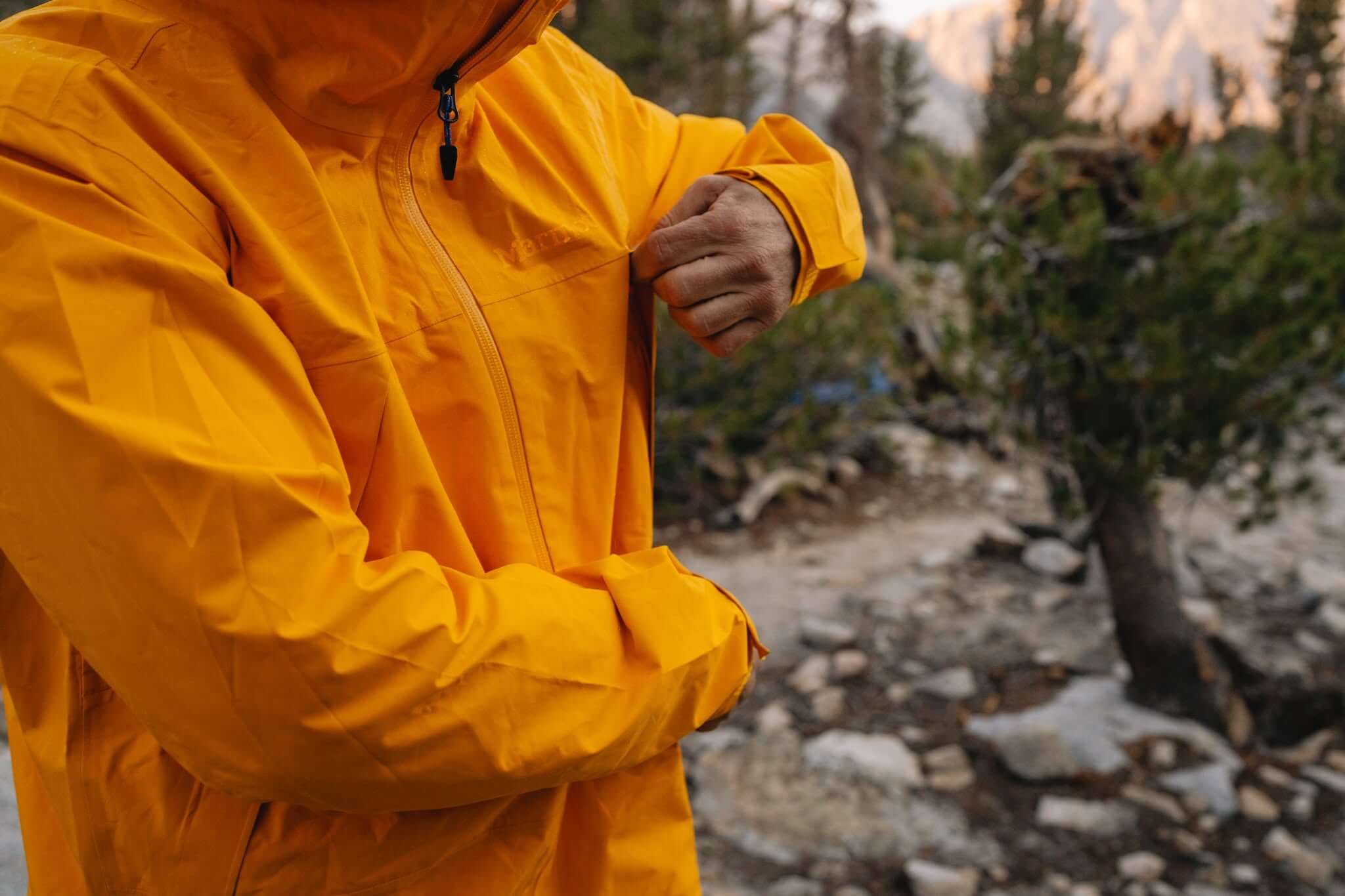
Rain jackets use waterproof membranes (such as microporous technologies) and fully taped or sealed seams. This construction prevents water from penetrating the fabric, even in heavy downpours. The DWR coating on the outer layer causes water to bead and roll off, while the membrane provides the primary waterproof barrier.
4.1.2 Multi-Layer Construction
Rain jackets typically feature multiple layers:
- Outer Layer: Durable face fabric with DWR coating for water shedding and abrasion resistance.
- Middle Layer: Waterproof membrane that blocks water while allowing vapor to escape.
- Inner Layer: Moisture-wicking fabric that draws sweat away from the skin.
Common constructions include 2-layer (casual, affordable), 2.5-layer (lightweight compromise), and 3-layer (maximum durability for harsh conditions).
4.1.3 Ventilation
While modern waterproof membranes offer breathability, high-performance rain jackets often include mechanical ventilation features such as underarm zippers (pit zips) to enhance airflow during strenuous activity.
4.1.4 Insulation Options
Some rain jackets feature built-in synthetic insulation for cold and wet climates, combining warmth and waterproofing into a single garment—an excellent all-in-one solution for winter weather.
4.1.5 Enhanced Durability
Made from tough materials like nylon or polyester with reinforced seams and abrasion-resistant coatings, rain jackets are built to withstand harsh conditions, rips, and tears over prolonged use.
4.2 Ideal Scenarios for Rain Jackets
4.2.1 Extended Outdoor Activities
Camping, multi-day treks, and mountaineering where weather is unpredictable.
4.2.2 Wet and Cold Climates
Regions with high rainfall or during winter months where rain and snow are common.
4.2.3 Urban Commuting
Biking or walking to work in rainy cities.
4.2.4 All-Weather Protection
When prolonged exposure to rain is expected and staying dry is critical.
5.Head-to-Head Comparison: Technical Deep Dive
5.1 Water Protection
This is the most critical distinction between the two jacket types.
Rain jackets are fully waterproof, designed to keep you dry in sustained downpours. They combine waterproof membranes (with ratings often ranging from 5,000mm to 10,000mm or higher) with fully sealed seams to prevent any water ingress.
Windbreakers are only water-resistant. The DWR finish repels light drizzle and mist for short periods, but they will eventually soak through in heavy rain. Their seams are not sealed, making them unsuitable for prolonged wet conditions.
Key takeaway: For a windbreaker, water resistance is a bonus feature; for a rain jacket, waterproofing is the primary purpose.
5.2 Breathability and Comfort
Windbreakers are inherently more breathable due to their lightweight, single-layer construction, making them significantly more comfortable for high-output activities.
Rain jackets, while incorporating breathable membranes, tend to trap more heat and moisture. This is why mechanical ventilation (pit zips) is a crucial feature for active users. The trade-off is that waterproof membranes reduce airflow compared to simple woven fabrics.
Key takeaway: Choose a windbreaker for activities where you will work up a sweat; choose a rain jacket with ventilation features if you need waterproofing during high-exertion activities.
5.3 Weight and Packability
Windbreakers are the undisputed champions of portability—they weigh next to nothing and can compress to the size of a small apple.
Rain jackets are heavier and bulkier due to their multi-layer construction, waterproof membranes, and additional features. While modern designs have improved packability, they still cannot match the sheer convenience of a windbreaker.
Key takeaway: Windbreakers are ideal for carrying "just in case"; rain jackets are a commitment to weather protection.
5.4 Durability and Longevity
Rain jackets are built to withstand harsh conditions with tougher face fabrics, reinforced seams, and abrasion-resistant coatings. They are designed for years of use in demanding environments.
Windbreakers prioritize lightness and comfort over durability. While well-made windbreakers can last for many years with proper care, they are not designed for the same level of abuse as a rugged rain jacket.
Key takeaway: For frequent use in harsh conditions, invest in a rain jacket; for occasional use in mild conditions, a windbreaker offers excellent value.
6.Decision Guide: How to Choose Based on Activity and Climate
6.1 For Hikers and Campers
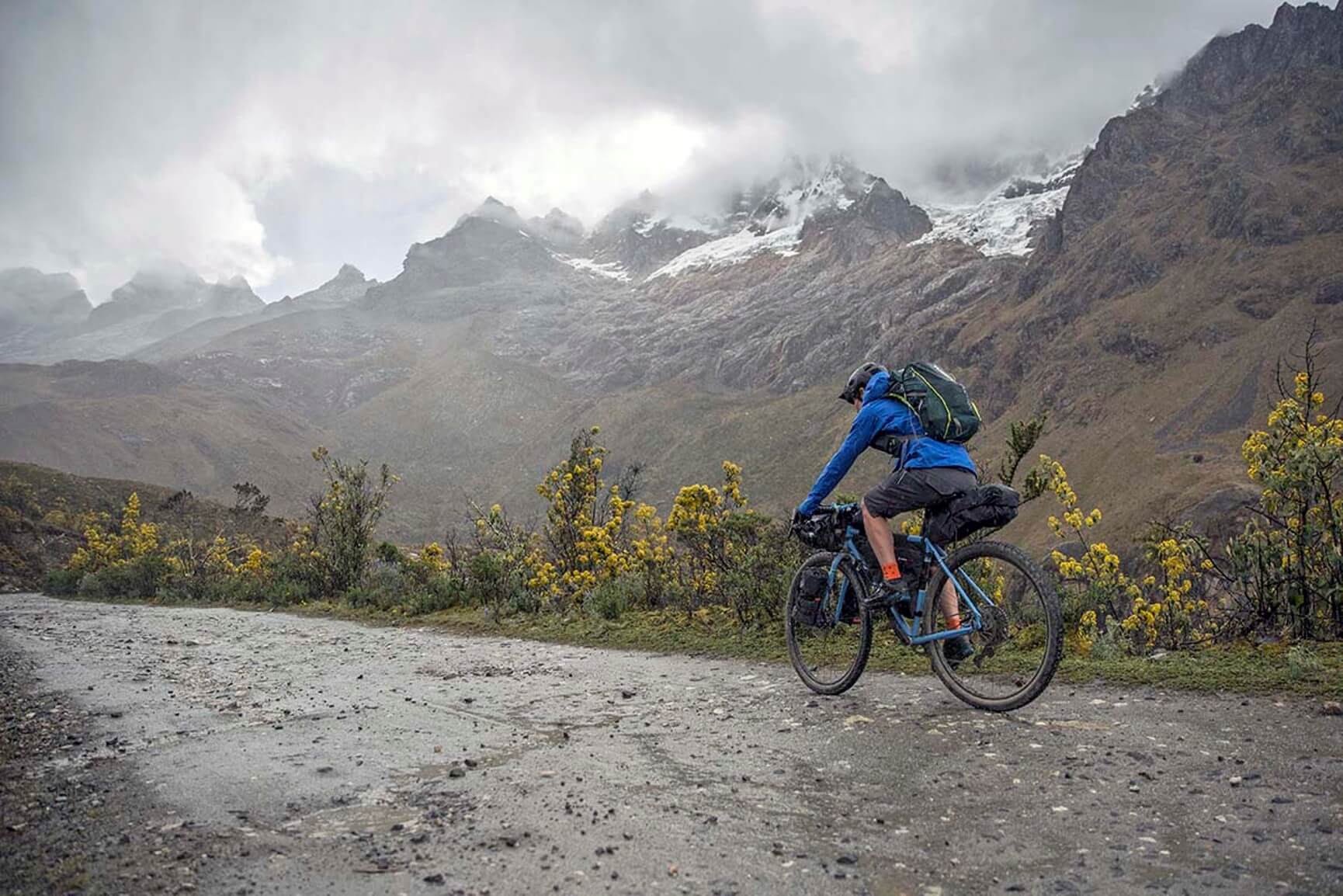
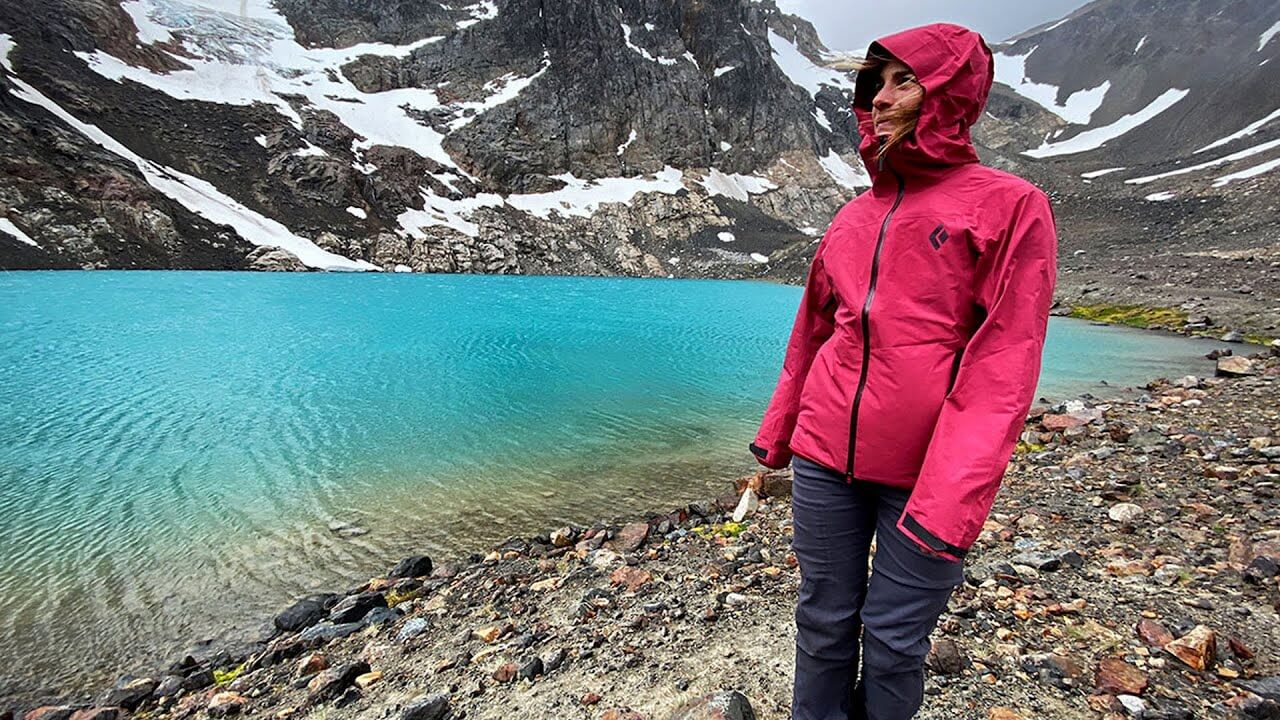
A rain jacket is essential gear. While a windbreaker can be used during high-output sections of a hike to prevent overheating, a fully waterproof shell must be in your pack for unexpected weather changes. In unpredictable mountain environments, the waterproof protection of a rain jacket is non-negotiable.
6.2 For Runners and Cyclists
A breathable windbreaker is often the better choice, offering wind protection without causing overheating during intense activity. The lightweight fabric and excellent airflow keep you comfortable while still blocking chilly gusts.
6.3 For Urban Commuters
Base your decision on your local climate:
- Wet, rainy cities: A rain jacket provides daily shield against downpours.
- Mild, windy cities: A windbreaker offers lightweight, easy-to-carry protection.
6.4 For Travelers
A packable windbreaker is an excellent travel companion—it takes up minimal space and provides emergency wind and light rain protection. However, if traveling to a region with significant rainfall, a packable rain jacket is a better investment.
6.5 Climate Considerations
6.5.1 Wet and Cold Climates
Rain jackets are superior. They provide full waterproofing and often include insulation for warmth. Windbreakers trap heat but offer insufficient water resistance for daily use in wet conditions.
6.5.2 Mild and Windy Climates
Windbreakers are ideal. They offer enough protection in moderate conditions and provide more movement and breathability than rain jackets.
7.Materials and Construction: What to Look For
7.1 Windbreaker Materials
7.1.1 Nylon
Lightweight, durable, and abrasion-resistant. Provides excellent wind resistance while maintaining breathability.
7.1.2 Polyester
Similar to nylon but with slightly different moisture-wicking properties. Often more affordable.
7.1.3 DWR Treatments
Essential for light rain protection. Look for jackets with a durable water-repellent finish for added versatility.
7.2 Rain Jacket Materials and Construction
7.2.1 Waterproof Membranes
Advanced microporous technologies that block water while allowing vapor to escape. These are critical for breathable waterproofing.
7.2.2 Seam Sealing
Fully taped or sealed seams prevent water from entering through stitching—a non-negotiable feature for true waterproofing.
7.2.3 DWR Coatings
The outer layer's DWR finish causes water to bead and roll off, preventing the outer fabric from becoming saturated.
7.2.4 Layer Construction
2-layer (casual), 2.5-layer (lightweight), or 3-layer (maximum durability) constructions affect weight, durability, and performance.
8.Sustainability Trends in Outerwear
The outdoor apparel industry is increasingly focusing on environmental sustainability. Key trends include:
8.1 Recycled Fabrics
Nylon and polyester made from recycled materials (such as post-consumer plastic bottles) reduce environmental impact.
8.2 Plant-Based Insulation
Alternatives to synthetic fills derived from renewable sources.
8.3 Eco-Friendly DWR Treatments
PFAS-free water-repellent treatments that reduce environmental persistence.
8.4 Circular Economy Initiatives
Brands designing for longevity and using recyclable materials to minimize waste.
When choosing a jacket, consider both performance and environmental impact. High-quality fabrics that last longer ultimately reduce consumption and waste.
9.FAQ
9.1 Can a windbreaker be used in rain?
Yes, but only for light drizzle or brief showers. Windbreakers with DWR coating repel light moisture but are not designed for heavy or prolonged rain. They will eventually soak through.
9.2 Are rain jackets breathable?
Modern rain jackets use breathable waterproof membranes and often include mechanical ventilation (pit zips). However, they are generally less breathable than unlined windbreakers.
9.3 Which is more packable?
Windbreakers are significantly more packable and lighter than rain jackets. Many can be folded into their own pocket.
9.4 Can I layer a windbreaker over a mid layer?
Yes. Windbreakers work well as an outer shell in a layering system, paired with base layers or insulating mid layers for colder conditions. This flexibility is one of their greatest practical advantages.
9.5 How do I choose between insulated and unlined windbreakers?
Choose an insulated windbreaker when you need extra warmth in cooler weather but want something lighter than a heavy coat. Unlined windbreakers work better in mild temperatures or during high-output activities.
9.6 What is the difference between water-resistant and waterproof?
Water-resistant fabrics (found in windbreakers) repel moisture temporarily but will soak through under sustained rain. Waterproof fabrics (found in rain jackets) include membranes and sealed seams that prevent water penetration in heavy rain.
10.Why Fabric Technology Matters
The performance of any jacket—whether a lightweight windbreaker or a rugged rain jacket—depends entirely on the quality and design of its fabric. Advanced materials determine waterproofing, breathability, durability, weight, and overall comfort. From the choice of polymers to weaving techniques and coating applications, every step in the manufacturing process impacts the final product's performance.
Understanding the technical aspects of functional fabrics helps consumers make informed decisions. Whether you need windproof protection for high-intensity activities or complete waterproofing for extreme conditions, the right fabric technology makes all the difference.
11.About Youvion
At Youvion, we engineer high-performance functional fabrics that perform where it matters—whether in outdoor clothing, backpacks, camping tents, or tactical gear. Our full-range offering includes waterproof, windproof, breathable, abrasion-resistant, ripstop, UV-blocking, and flame-retardant solutions. And we don't just sell fabric; we partner with you through OEM & ODM custom development, managing everything from initial polymer formulation and weaving to advanced coating, lamination, and finished-goods delivery.
For more detailed specifications, customization options, or to discuss your next project with our technical team, please don't hesitate to contact us directly: [email protected].
