

Antimicrobial Fabric Can It Kill Germs?
1.What Is Antimicrobial Fabric?
Antimicrobial fabric refers to any textile that protects against the growth of bacteria, mold, mildew, and other pathogenic microorganisms. This is achieved by treating textiles with an antimicrobial finish that inhibits the growth of hazardous microbes, creating an added layer of defense and prolonging the life of the fabric.

2.Where is an Antimicrobial Fabric Used?
Antimicrobial fabrics are used across a wide range of end-use applications. We have listed a few examples below.
Housewares: towels, bedding, upholstery, carpets, curtains, pillows
Commercial: window coverings, military fabrics, uniforms, tenting, carpets.
Apparel: caps, jackets, workwear, sportswear, fleeces, intimates
Building Products: architectural fabrics, awnings, canopies
Healthcare: scrubs, masks, drapery, window coverings, bedding, filters, lab coats

3.Can antimicrobial fabric stop the spread of viruses?
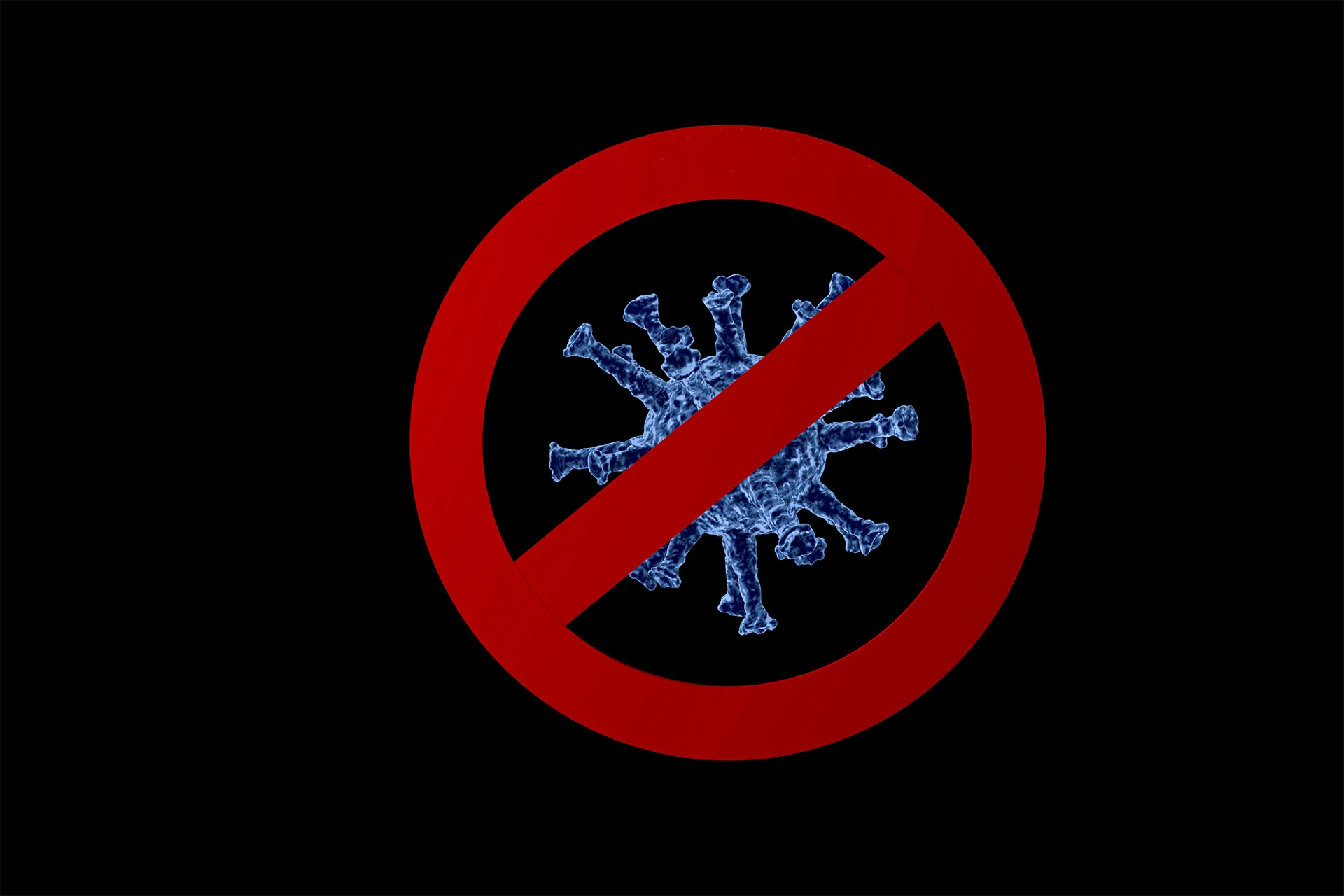
While antimicrobial fabric works great to slow the growth of microbes, it does not kill pathogens on contact, meaning it is not completely effective at stopping the spread of viruses. Even the fastest acting antimicrobial textiles take several minutes to kill microbes, while others only stop or slow their growth. Instead of using them as a substitute for hygiene and other health and safety precautions, they should be thought of as an extra layer of defense against harmful microorganisms to use in addition to your regular sanitary protocol.

4.What are the benefits of Antimicrobial Fabric Treatment
Antimicrobial fabrics offer freshness, stain protection, and extended product life, even for heavy-duty outdoor applications.
Formulated to provide excellent durability, antimicrobial fabrics treated with Ultra-Fresh or Silpure offer effective performance after multiple cleanings or extended exposure to environmental stresses.

5.How are Antimicrobial Additives for Fabrics Applied?
Antimicrobial fabric treatments can be applied during normal textile finishing processes, meaning no special equipment or processing steps are required.
When applying by coating, padding, exhaustion, or foaming, the antimicrobial additive can typically be used in combination with other common auxiliaries such as softeners, moisture management systems, fluorocarbon, or resins.
Antimicrobial treatment for fabric can be used in textile coatings by adding directly to the liquid prior to application.
Certain antimicrobial additives for fabrics can also be included during the extrusion process of synthetic fibers such as polyester, polyamide, or polypropylene.


Related Post


How to Choose the Right Midlayer Fabric for Outdoor Apparel
Layne | 10-20-2026 | Views 80 times
How to Choose the Right Midlayer Fabric for Outdoor Apparel Choosing the right midlayer fabric is essential for developing functional outdoor apparel. A good midlayer should provide warmth without unnecessary bulk while maintaining breathability, moisture management, comf...

A Complete Analysis of Waterproof Fabrics
Layne | 09-24-2026 | Views 272 times
A Complete Analysis of Waterproof Fabrics: From Principles to Processes, Understand Waterproof Ratings in One Go Foreword: How can a piece of fabric be made “not a drop of water leak-proof”? Whether a jacket can truly keep out the rain depends not on how thick it...
Waterproof vs. Water-repellent: Fabric differences that 90% of people get wrong
Layne | 09-22-2026 | Views 230 times
Waterproof vs. Water-repellent: Fabric differences that 90% of people get wrong About the author Youvion focuses on developing functional fabrics for outdoor apparel, covering solutions for inner, middle, and hardshell outer layers. Through years of collaboration with global...
Recycled Polyester (rPET): What It Is, How It’s Made, and Why It Matters for Outdoor Fabrics
Layne | 09-14-2026 | Views 423 times
Recycled Polyester (rPET): What It Is, How It’s Made, and Why It Matters for Outdoor Fabrics Recycled polyester (rPET) is widely used in modern textile production. It offers many of the performance characteristics of conventional polyester, including strength, abrasion re...

Superwash Wool vs Natural Wool
Layne | 09-11-2026 | Views 381 times
Superwash Wool vs Natural Wool 1.What’s “Superwash” Merino wool is a high-performance fiber bestowed by nature—it’s breathable, temperature regulating, naturally odor-resistant, and can absorb up to 35% of its own weight in moisture without feeling damp. However, for d...

Sorona® Fabric: A Sustainable Bio-Based Textile Material Combining Performance, Comfort, and Innovation
Layne | 09-10-2026 | Views 487 times
Sorona® Fabric: A Sustainable Bio-Based Textile Material Combining Performance, Comfort, and Innovation 1.What Is Sorona® Fabric? Sorona® is a bio-based functional textile material developed from advanced polymer technology. It is a PTT (polytrimethylene terephthalate) fiber...
Send Your Inquiry
Get a quote within 24 hours