
ePTFE vs. PU vs. TPU Membranes: A Technical Guide for Hardshell Fabrics
1.Introduction: The Critical Role of Membranes in Hardshell Performance
1.1 Defining the Hardshell Application
Hardshell jackets represent the pinnacle of outdoor protective apparel, engineered to perform under extreme weather conditions. Their fundamental requirement is achieving three seemingly contradictory functions simultaneously: waterproofing, breathability, and windproofing. This performance triad is determined primarily by the membrane or coating integrated into the fabric laminate.
1.2 The Laminate Structure
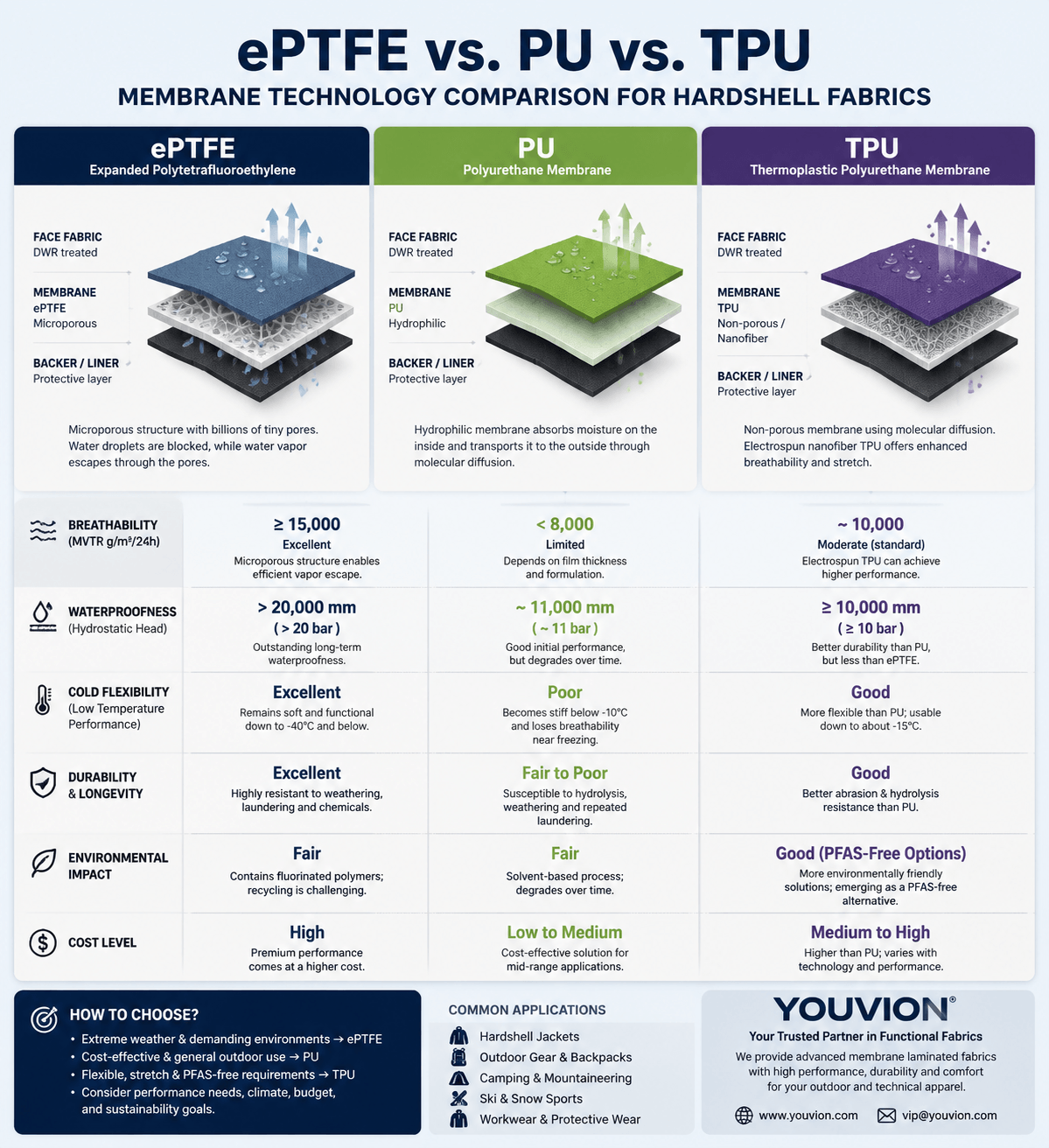
A typical waterproof-breathable laminate consists of:
- Face fabric: The outer layer providing abrasion resistance and DWR (durable water repellent) finish
- Membrane or coating: The functional core that regulates waterproofing and breathability
- Backer or liner: An inner protective layer (in 3-layer constructions) or mesh lining (in 2-layer designs)
The membrane technology selected—ePTFE, PU, or TPU—directly influences the garment's performance envelope, durability lifecycle, and cost structure.

2.Membrane Technology Overview
2.1 ePTFE (Expanded Polytetrafluoroethylene)
Structure: ePTFE is a microporous membrane created by expanding PTFE (commonly known as Teflon) to form a network of microscopic nodes interconnected by fibrils. These pores are approximately 10,000 times smaller than a water droplet but 700 times larger than a water vapor molecule, enabling the "size-exclusion" principle of waterproof breathability.
Key Characteristics:
- Exceptional breathability with MVTR (Moisture Vapor Transmission Rate) often exceeding 15,000 g/m²/24h
- Outstanding durability—maintains performance across a temperature range from -150°C to 300°C without degradation
- Superior chemical resistance and corrosion protection
- Excellent long-term waterproofness, even after repeated laundering
2.2 PU (Polyurethane) Membranes
Structure: PU membranes are typically applied as hydrophilic coatings or films. Unlike microporous membranes, hydrophilic PU uses a chemical gradient mechanism—the polymer chains contain hydrophilic groups that absorb moisture on the high-humidity side (inside) and transport it to the low-humidity side (outside) via molecular diffusion .
Key Characteristics:
- Cost-effective, suitable for mid-range performance gear
- Lightweight and flexible with good initial waterproofness
- Breathability performance typically MVTR < 8,000 g/m²/24h
- Performance degrades with temperature drops; becomes stiff below -10°C and loses breathability near freezing
- Susceptible to degradation from hydrolysis, weathering, and repeated laundering
2.3 TPU (Thermoplastic Polyurethane) Membranes
Structure: TPU membranes combine properties of both porous and non-porous systems. In their non-porous form, they function similarly to hydrophilic PU through a molecular diffusion mechanism. Recent innovations include electrospun TPU nanofiber membranes, which create a highly porous structure (100-600 nm fiber diameter) to enhance breathability . TPU is increasingly positioned as a PFAS-free alternative to fluorinated membrane technologies .
Key Characteristics:
- Excellent elasticity and stretch comfort
- Good waterproofness typically ≥10,000 mm hydrostatic head
- Moderate breathability (~10,000 MVTR), though electrospun TPU can achieve higher
- Better low-temperature flexibility than standard PU, but still inferior to ePTFE below -15°C
- Emerging as a more environmentally conscious option with PFAS-free formulations
3.Comparative Performance Analysis
3.1 Breathability (MVTR - Moisture Vapor Transmission Rate)
| Membrane Type | Typical MVTR (g/m²/24h) | Performance Notes |
| ePTFE | ≥15,000 | Excellent; microporous structure enables efficient vapor escape |
| PU | <8,000 | Limited; depends on film thickness and formulation |
| TPU (standard) | ~10,000 | Moderate; better than PU but lower than ePTFE |
| TPU (electrospun) | High | Emerging technology; electrospun nanofiber structure enhances breathability significantly |
3.2 Waterproofness (Hydrostatic Head)
- ePTFE: Maintains high water resistance (>20 bar, approximately 20,000 mm) even after prolonged use. Academic research confirms ePTFE laminates retain >20 bar hydrostatic pressure resistance after weathering and washing
- PU: Good initial performance (~11 bar / 11,000 mm) but begins to degrade after hydrolysis and weathering exposure
- TPU: Comparable to PU in initial performance (≥10,000 mm), with better durability than standard PU but less than ePTFE
3.3 Temperature Performance and Cold Flexibility
This is where the three technologies diverge most significantly:
- ePTFE: Remains stable and functional from -150°C to 300°C. Breathability and flexibility are virtually unaffected by temperature change
- PU: Begins to lose flexibility below -10°C; breathability diminishes significantly near 0°C and becomes negligible below freezing
- TPU: Better cold performance than PU but becomes brittle below -15°C; performance gap widens as temperature drops
3.4 Durability and Long-Term Reliability
| Performance Metric | ePTFE | PU | TPU |
| Hydrolysis resistance | Excellent | Poor (degrades over time) | Moderate |
| Chemical resistance | Excellent | Limited | Moderate |
| Wash durability | Good | Degrades with laundering | Moderate |
| Abrasion resistance | Good | Initial good, degrades with wear | Good |
| UV resistance | Excellent | Poor to moderate | Moderate |
3.5 Environmental Considerations
Recent regulatory pressure on PFAS ("forever chemicals") is reshaping the membrane landscape:
- ePTFE: Traditional ePTFE membranes face scrutiny due to PFAS content in both membrane and DWR finishes. Manufacturers are developing PFAS-free alternatives
- PU: Can be formulated without PFAS; increasing availability of bio-based PU versions (derived from castor oil, corn, etc.)
- TPU: Emerging as a PFAS-free alternative that can also be more readily recyclable—TPU can be melted and re-extruded, supporting mono-material recycling concepts
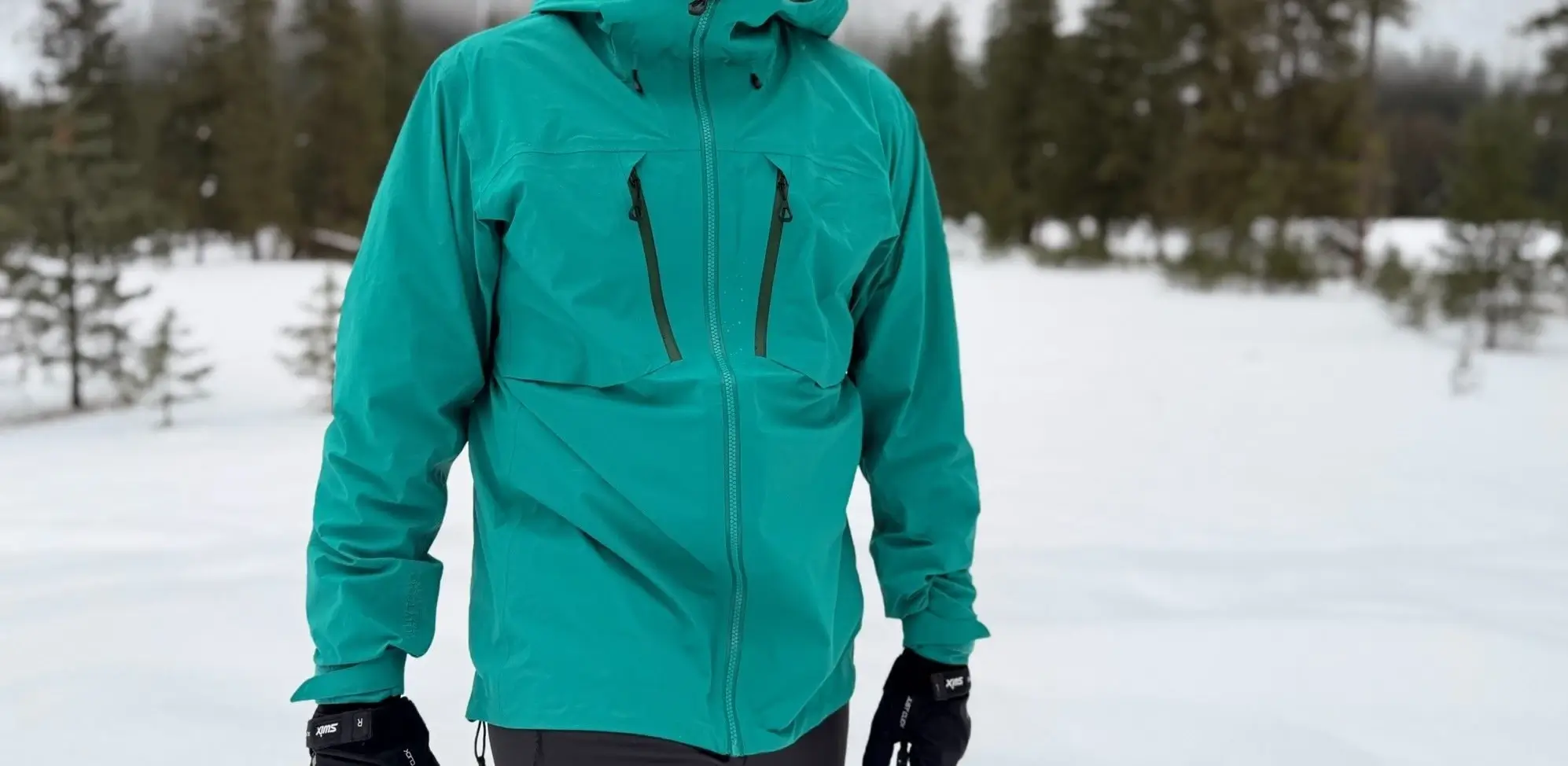
4.Application Suitability and Selection Guidelines
4.1 When to Choose ePTFE
- Best for: Extreme environments, high-altitude mountaineering, military/tactical applications, medical protective equipment, and mission-critical scenarios where failure is not an option
- Key advantages: Uncompromised performance across temperature extremes, exceptional breathability, long-term reliability
- Trade-offs: Higher cost; requires careful laundering; PFAS concerns
4.2 When to Choose PU
- Best for: Mid-range rainwear, consumer outdoor products, industrial uniforms, and applications where cost efficiency and basic protection are primary considerations
- Key advantages: Cost-effective, lightweight, flexible processing
- Trade-offs: Limited breathability; poor cold-weather performance; durability concerns
4.3 When to Choose TPU
- Best for: Moderate-activity outdoor work, logistics, activewear requiring stretch, and brands seeking PFAS-free alternatives
- Key advantages: Good stretch comfort; moderate breathability; emerging PFAS-free options
- Trade-offs: Mid-range cost; lower breathability than ePTFE; less durable in extreme cold

5.Youvion's Functional Fabric Solutions for Hardshell Applications
At Youvion, we engineer high-performance functional fabrics that perform where it matters—whether in outdoor clothing, backpacks, camping tents, or tactical gear. Our full-range offering includes waterproof, windproof, breathable, abrasion-resistant, ripstop, UV-blocking, and flame-retardant solutions.
For hardshell applications, our portfolio includes:
5.1 PU-Laminated Option: YV-BZ-7009
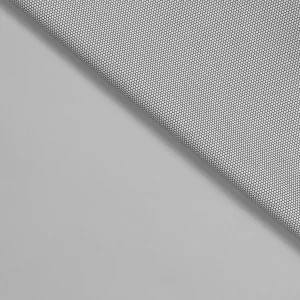
- Content: 100% Polyester 2-layer PU laminated
- Weight: 105 GSM
- Performance: Breathability ≥8,000 g/m²/24h; Water pressure ≥12,000 MPa; Waterproof, oil repellency, and stain resistance all Grade 4
- Application: Lightweight outdoor hardshell jackets, windbreakers, hiking raincoats, daily functional outerwear
5.2 Lightweight Nylon 66 Options
For brands prioritizing strength-to-weight ratios in hardshell construction:
YV-BZ-6620V (41 GSM) and YV-BZ-6620K (85 GSM):

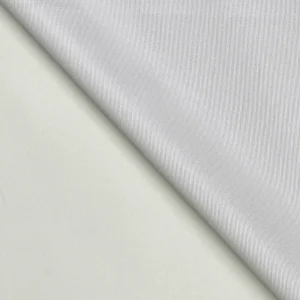
- Content: 100% Nylon 66
- Yarn: 20D N66 × 20D N66, 380T
- Key features: High strength, high abrasion resistance, high corrosion resistance, excellent color absorption
- Performance: Moisture permeability >7,000; Water pressure >16,000
Nylon 66 is the preferred face fabric for premium hardshells due to its superior abrasion resistance and mechanical strength—critical when paired with high-performance membranes.
5.3 High-Water-Pressure Options
YV-BZ-8600K (140 GSM):

- Content: 100% Nylon double-line check
- Yarn: 70D × 70D
- Performance: Moisture permeability >7,000; Water pressure >16,000
- Application: Hardshell jackets, padded coats, down jackets
5.4 DWR and Surface Finish Technologies
YV-BZ-1160T (133 GSM):

- Content: 95% Nylon 5% Spandex
- Finish: Scotchgard 3-in-1 treatment (three-resistant)
- Features: Full dull appearance, high colorfastness, customizable functional finishes
- Available alternatives: Standard clean finish, 3M moisture-wicking quick dry finish
5.5 Custom Development Capability
We don't just sell fabric—we partner with you through OEM & ODM custom development, managing everything from initial polymer formulation and weaving to advanced coating, lamination, and finished-goods delivery. Whether you require specific membrane lamination parameters, custom DWR formulations, or integrated functional finishes, our technical team is ready to collaborate.
6.Making the Strategic Choice
Selecting the right membrane technology is not merely a material decision—it's a strategic one that impacts product performance, brand positioning, and regulatory compliance.
For extreme-performance hardshells where user safety depends on reliable protection across temperature extremes, ePTFE remains the gold standard—though the industry is actively developing PFAS-free alternatives.
For cost-sensitive mid-range products where basic weather protection is sufficient, PU offers an accessible entry point with known trade-offs in breathability and cold performance.
For brands prioritizing PFAS-free positioning with good performance and stretch, TPU—particularly emerging electrospun variants—presents a compelling alternative.
7.Connect with Us
For more detailed specifications, customization options, or to discuss your next project with our technical team, please don't hesitate to contact us directly:
Email: [email protected]
Let Youvion help you make the right choice for performance, cost, and competitive advantage—from polymer to finished product.
