
Hiking 101: Essential Tips for a Safe and Memorable Trail Experience
Hiking offers one of the most accessible and rewarding ways to connect with nature. Whether you are chasing panoramic summit views, seeking mental clarity, or simply craving an escape from daily routines, the trail has something for everyone. However, for those new to the activity, knowing where to begin can feel daunting.
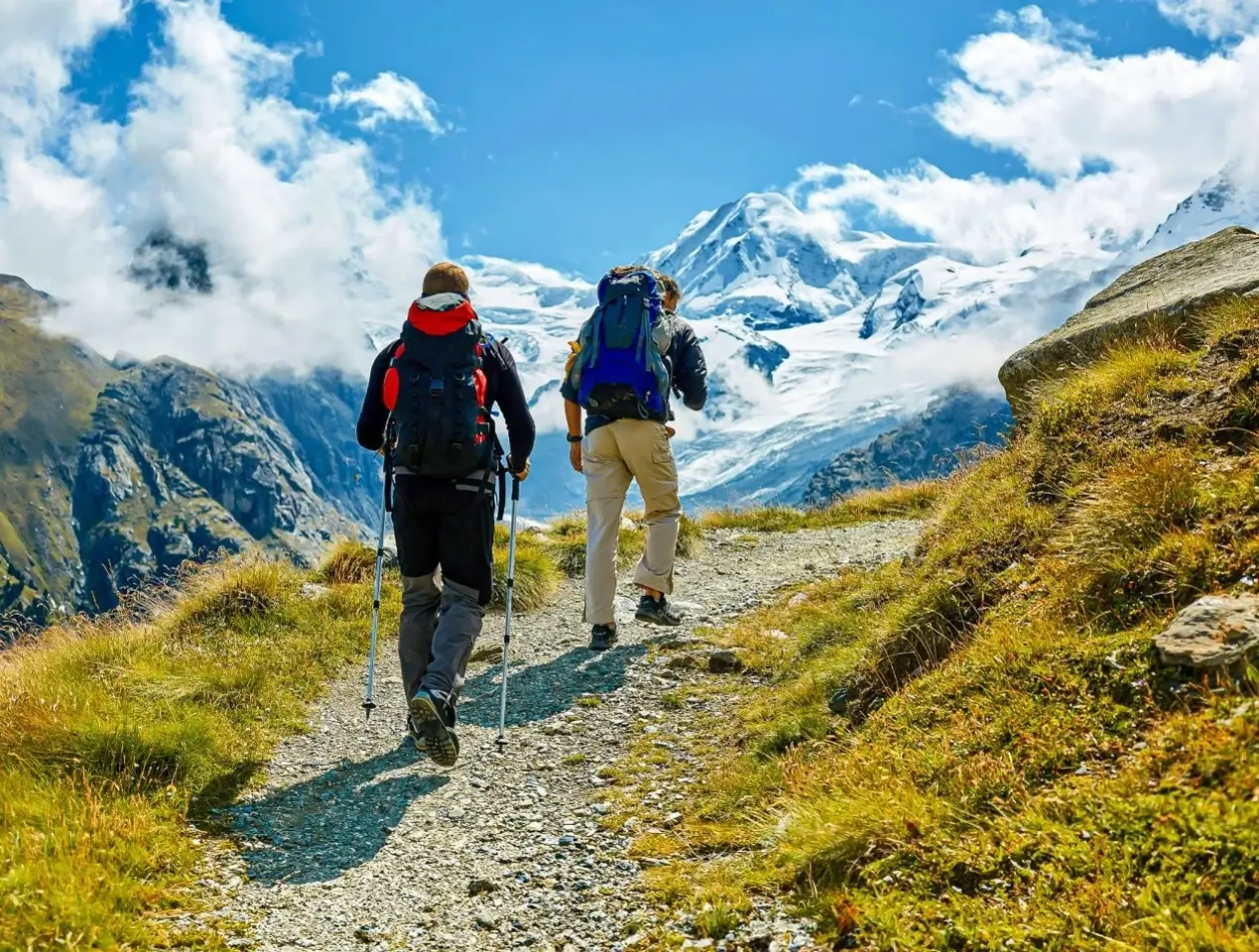
In the video featured below, seasoned adventurers and Helly Hansen ambassadors Liz "Moose" Bunk and Collin "Teton" Blunk share their expertise. As Triple Crown hikers and mountaineers, they have navigated some of the most demanding trails across the globe. Their passion for exploration and commitment to sustainable outdoor practices make them the perfect guides for hikers at every skill level.
-
Pre-Hike Preparation: Setting Yourself Up for Success
1.1 Research Your Route and Monitor Weather Conditions
Proper preparation begins long before you set foot on the trail. Take time to study the terrain, elevation profile, and estimated duration of your chosen path. Weather in mountainous regions can shift rapidly, so always check forecasts specific to the trail area. A sunny morning can quickly turn into an afternoon thunderstorm, and sudden temperature drops are not uncommon. Staying informed about conditions helps you pack appropriately and make educated decisions about whether to proceed or postpone your hike.
1.2 Inform Someone of Your Plans
One of the most overlooked yet critical safety measures is sharing your itinerary with a reliable contact. Provide details such as the trailhead location, intended route, and estimated return time. This practice ensures that if you fail to check in within a reasonable window, search and rescue teams have a clear starting point. In emergency situations, this simple step can dramatically reduce response times and improve outcomes.
1.3 Pack Nutritious Food and Sufficient Water
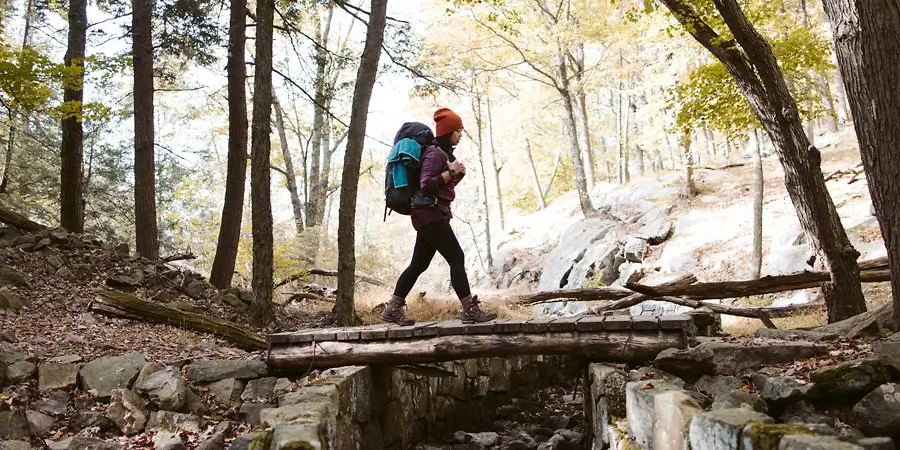
Maintaining energy levels throughout your hike requires thoughtful nutrition. Prioritize lightweight, calorie-dense options such as mixed nuts, dried fruit, granola bars, and trail mix. These foods deliver sustained energy without adding unnecessary weight to your backpack. Hydration is equally vital—carry enough water for the entire duration of your trip, and consider bringing a portable water filter or purification tablets if you plan to refill from streams or lakes along the way.
-
On the Trail: Best Practices for a Smooth Journey
2.1 Maintain a Steady Rhythm and Rest When Needed
Hiking is not a competition, and pacing yourself is the foundation of endurance. Begin at a slower pace than you think you need, particularly when tackling steep ascents, to conserve energy for the miles ahead. Incorporate short, frequent breaks to allow your muscles to recover, hydrate, and refuel. Consistency trumps bursts of speed—a sustainable rhythm will carry you further than starting too fast and burning out prematurely.
2.2 Stay Oriented with Trail Markers and Navigation Tools
Losing your bearings can happen more easily than expected, even on popular routes. Develop the habit of regularly checking trail markers, cairns, and signage. Cross-reference your physical map or GPS device with your surroundings frequently to confirm your position. If you have not encountered a marker for an extended period, stop and reassess your location before continuing. This proactive approach to navigation prevents small uncertainties from escalating into serious problems.
2.3 Practice Courtesy Toward Fellow Hikers and Wildlife
Respectful behavior enhances the outdoor experience for everyone. Yield to hikers heading uphill, keep noise levels low to preserve the tranquility of nature, and step aside to allow faster groups to pass. When encountering wildlife, maintain a safe distance, never offer food to animals, and keep pets leashed at all times. Observing these courtesies protects both the natural environment and the enjoyment of other visitors.
-
Emergency Readiness: Handling Unexpected Situations
3.1 Carry a First Aid Kit and Acquire Basic Skills
Being prepared for injuries is an essential part of any hiking trip. A well-stocked first aid kit should address common issues including blisters, minor cuts, sprains, and insect bites. However, carrying the right equipment is only half the equation—knowing how to use it is equally important. Familiarize yourself with fundamental first aid techniques such as cleaning and dressing wounds, applying compression to sprains, and recognizing signs of dehydration or heat exhaustion.
3.2 Follow the S.T.O.P. Protocol If You Become Lost
Realizing you are off course can be unsettling, but panic is the greatest threat to clear thinking. In such moments, adhere to the S.T.O.P. rule: Sit down, Think, Observe, and Plan. Take a moment to calm yourself, review your mental map of the trail, identify any recognizable landmarks, and consult your compass or GPS. This structured approach helps transform confusion into actionable steps, preventing a minor detour from becoming a dangerous situation.
3.3 Equip Yourself with Reliable Communication Devices
Cell phone coverage is notoriously unreliable in remote wilderness areas. Investing in specialized communication tools such as satellite messengers or personal locator beacons (PLBs) provides a vital link to emergency services when you are beyond cellular range. Even a simple whistle can serve as an effective signaling device. Carrying these items ensures you have multiple ways to call for help when it matters most.
-
Essential Gear: What Every Hiker Should Bring
4.1 Navigation Tools: Map, Compass, and GPS
While smartphone apps and GPS devices are convenient, they are not infallible. Batteries drain, signals drop, and electronics can fail. Learning to navigate with a traditional topographic map and compass is a skill that every hiker should develop. These tools do not rely on batteries and provide reliable orientation in any condition. Make them a permanent fixture in your pack, regardless of the length or difficulty of your hike.
4.2 Footwear and Layered Clothing Systems
Your feet carry you every step of the way, so investing in high-quality hiking boots or trail shoes is non-negotiable. Pair them with moisture-wicking socks to reduce friction and prevent blisters. For your upper body, an effective layering system is essential: a breathable base layer to manage perspiration, an insulating midlayer to retain warmth, and a waterproof outer shell to shield against rain and wind. Adjusting these layers as conditions change allows you to maintain a comfortable core temperature throughout your journey.
4.3 Hydration Reservoirs and Accessible Snacks
Convenience encourages consistent hydration and fueling. Hydration reservoirs, or bladder systems, allow you to drink without stopping or rummaging through your pack. Similarly, stashing snacks in hip belt pockets or outer compartments makes it easy to nibble frequently. Regular small intakes of water and food keep your energy levels stable, helping you avoid the fatigue that often leads to poor decision-making on the trail.
-
Responsible Hiking: Protecting the Outdoors for Future Generations
5.1 Pack Out Everything You Bring In
The fundamental principle of outdoor ethics is to leave natural spaces in better condition than you found them. This means packing out all waste, including biodegradable items such as fruit peels and nut shells, which can take months to decompose and may disrupt local wildlife behavior. Carrying a small, dedicated trash bag ensures that nothing is left behind, preserving the beauty and health of the trail.
5.2 Remain on Designated Trails
Cutting switchbacks or venturing off marked paths may seem harmless, but these actions damage fragile vegetation and accelerate soil erosion. Even when trails are muddy or uneven, staying on the durable surface of the established route minimizes environmental impact. This practice protects plant life and helps maintain the integrity of the trail system for everyone who follows.
5.3 Preserve Natural Features and Cultural Artifacts
Every rock, plant, and historical artifact you encounter has a role in the ecosystem or cultural story of the area. Resist the urge to take souvenirs or rearrange natural elements. By leaving these features undisturbed, you contribute to the preservation of wilderness for future adventurers. Sustainable hiking is a collective responsibility—small actions today ensure that the outdoors remains wild, beautiful, and welcoming for generations to come.
At Youvion, we engineer high-performance functional fabrics that perform where it matters—whether in outdoor clothing, backpacks, camping tents, or tactical gear. Our full-range offering includes waterproof, windproof, breathable, abrasion-resistant, ripstop, UV-blocking, and flame-retardant solutions. And we don't just sell fabric; we partner with you through OEM & ODM custom development, managing everything from initial polymer formulation and weaving to advanced coating, lamination, and finished-goods delivery.
For more detailed specifications, customization options, or to discuss your next project with our technical team, please don't hesitate to contact us directly: [email protected]
