

How to Check Fabric Composition
1. Unlocking the Importance of Fabric Fiber Composition
A fabric’s fiber composition refers to the weight percentage of each fiber that makes up the fabric.When you have a fabric swatch with an unknown fiber composition, it becomes extremely challenging to reorder the same fabric. Where would you even begin with a Google search? After reading this article, you won't need to rely on your fabric supplier to determine the fiber composition for you. Here's what you'll learn:
Why is a fabric’s fiber composition so important?
How to check the fiber composition of knitted fabrics?
2. Why is a fabric’s fiber composition so important?
1. When Sourcing Fabric:
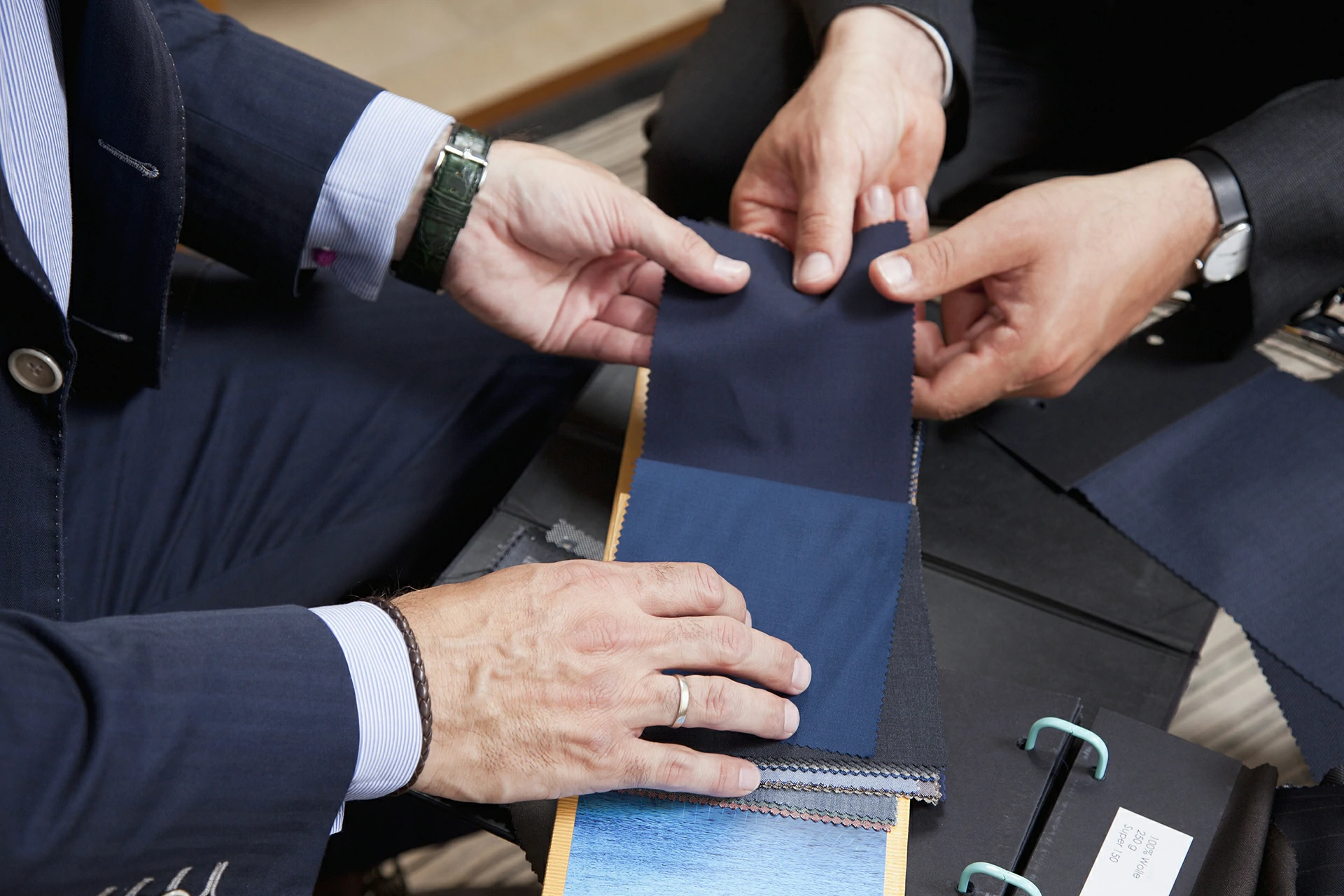
The fiber composition is the first detail you should know when sourcing fabric. Providing this information to your fabric supplier ensures they can match your requirements accurately.
2. When Verifying Ordered Fabrics:
Ensuring the fiber content matches expectations is essential for transparency and customer satisfaction. It ensures customers receive what they pay for.
3. For Labeling Compliance:
Fiber content impacts import/export tariffs and regulatory compliance. Most countries require accurate fiber content labels on finished products.
3. How to check the fiber composition of fabrics?
Tools Needed:
- Scissors
- Precision digital scale
- Pen
- Paper for notes
Steps to Check Fiber Composition:
1. Sampling:Cut a small piece (approximately 3-4 cm) from the fabric swatch for testing. Minimize waste, especially with expensive fabrics.
2. Yarn Extraction:Orient the fabric vertically to identify the pattern. Start pulling yarn from the edge until you extract a full strand across the fabric. This process requires patience.
3. Sorting Yarns:Separate visually or tactically different yarns into distinct piles. Note the sequence of extraction to gather at least 10 strands of each type for accuracy.
4. Weighing:Use a scale to weigh each pile of sorted yarns and record their weights.
5. Calculating Fiber Composition: Calculate the percentage of each fiber type using:
(The weight of one yarn pile ÷ the total weight of all the yarns) x 100% = Fiber percentage
In this case, the total weight of the black yarn pile and the grey yarn pile is 0.035g + 0.045g = 0.08g.
The fiber composition percentage of the black yarn pile will be (0.035 ÷ 0.08) x 100% = 43.75%
The fiber composition percentage of the grey yarn pile will be (0.045 ÷ 0.08) x 100% = 56.25%
6. Identifying Yarn Material:Conduct a burn test to further identify yarn materials. Refer to our guide on conducting a burn test for fabric fiber content.
Additional Notes:
- Fabrics with elasticity may contain spandex (elastane), which can complicate yarn extraction. If spandex yarns cannot be fully extracted, consider professional analysis for accurate results.
- Minor deviations from labeled percentages are common due to production variations.

4.Still Need Help?
Youvion textile offers a free fabric analysis service specializing in fabric composition, fiber content, fabric weight, and knitting structure for fabrics. Feel free to send us your samples for expert evaluation.


Related Post


How to Choose the Right Midlayer Fabric for Outdoor Apparel
Layne | 10-20-2026 | Views 53 times
How to Choose the Right Midlayer Fabric for Outdoor Apparel Choosing the right midlayer fabric is essential for developing functional outdoor apparel. A good midlayer should provide warmth without unnecessary bulk while maintaining breathability, moisture management, comf...

A Complete Analysis of Waterproof Fabrics
Layne | 09-24-2026 | Views 246 times
A Complete Analysis of Waterproof Fabrics: From Principles to Processes, Understand Waterproof Ratings in One Go Foreword: How can a piece of fabric be made “not a drop of water leak-proof”? Whether a jacket can truly keep out the rain depends not on how thick it...
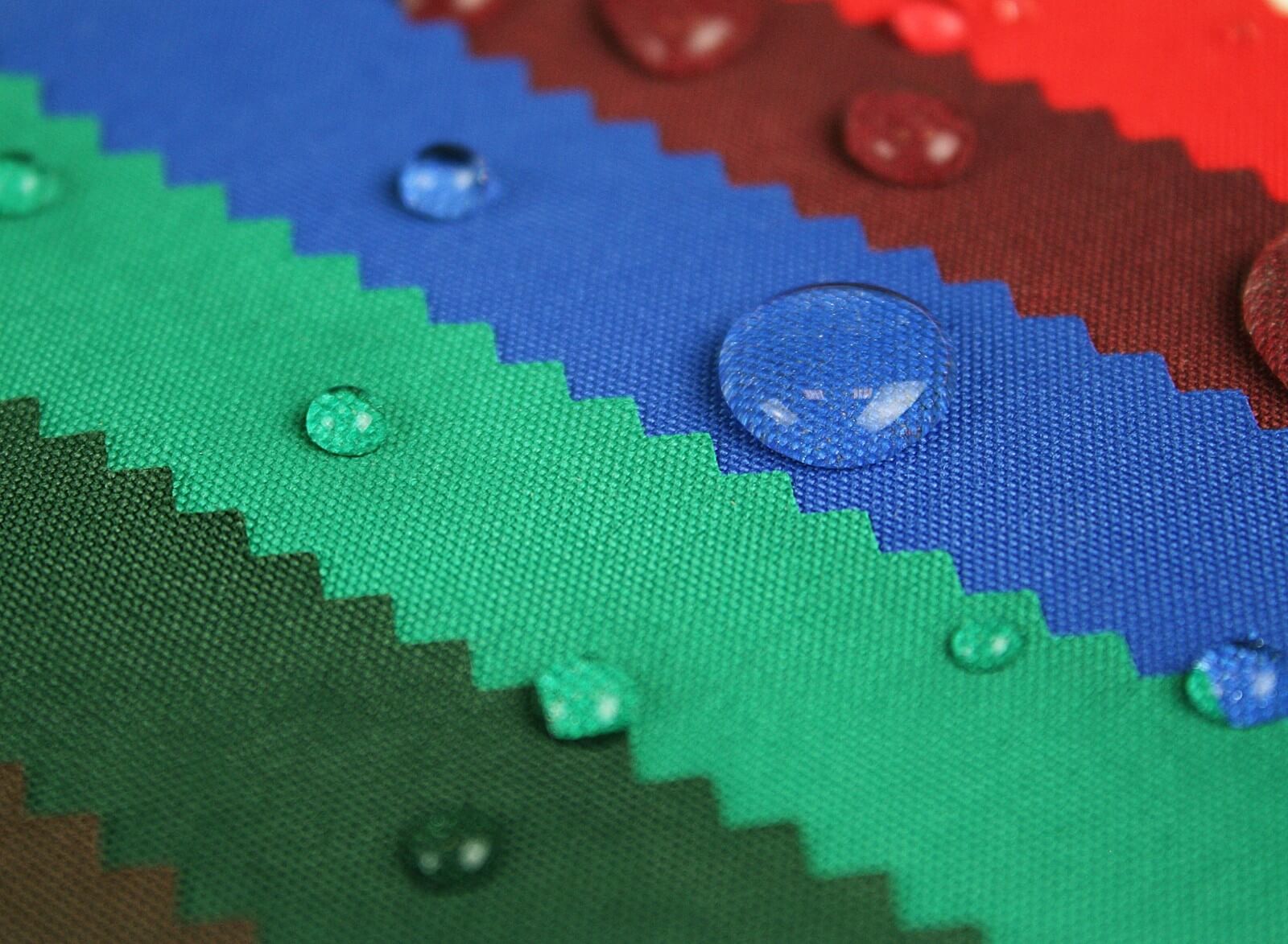
Waterproof vs. Water-repellent: Fabric differences that 90% of people get wrong
Layne | 09-22-2026 | Views 212 times
Waterproof vs. Water-repellent: Fabric differences that 90% of people get wrong About the author Youvion focuses on developing functional fabrics for outdoor apparel, covering solutions for inner, middle, and hardshell outer layers. Through years of collaboration with global...

Recycled Polyester (rPET): What It Is, How It’s Made, and Why It Matters for Outdoor Fabrics
Layne | 09-14-2026 | Views 393 times
Recycled Polyester (rPET): What It Is, How It’s Made, and Why It Matters for Outdoor Fabrics Recycled polyester (rPET) is widely used in modern textile production. It offers many of the performance characteristics of conventional polyester, including strength, abrasion re...

Superwash Wool vs Natural Wool
Layne | 09-11-2026 | Views 343 times
Superwash Wool vs Natural Wool 1.What’s “Superwash” Merino wool is a high-performance fiber bestowed by nature—it’s breathable, temperature regulating, naturally odor-resistant, and can absorb up to 35% of its own weight in moisture without feeling damp. However, for d...

Sorona® Fabric: A Sustainable Bio-Based Textile Material Combining Performance, Comfort, and Innovation
Layne | 09-10-2026 | Views 462 times
Sorona® Fabric: A Sustainable Bio-Based Textile Material Combining Performance, Comfort, and Innovation 1.What Is Sorona® Fabric? Sorona® is a bio-based functional textile material developed from advanced polymer technology. It is a PTT (polytrimethylene terephthalate) fiber...
Send Your Inquiry
Get a quote within 24 hours