

Innovations in Cooling Fabrics: Enhancing Comfort with Advanced Technologies

What are the Key Features of Cooling Fabrics?
Cooling fabrics have revolutionized the textile industry by providing enhanced comfort through advanced cooling technologies. These fabrics, designed to dissipate body heat and accelerate sweat evaporation, are widely used in clothing, home textiles, and outdoor gear.
Cooling fabrics offer two primary benefits:
1. Effective Heat Transfer: High thermal conductivity ensures that body heat is rapidly dissipated, providing a cooling sensation to the wearer.
2. Efficient Moisture Management: Excellent moisture-wicking properties allow sweat to quickly move to the fabric’s outer layer, taking away heat and enhancing comfort.
What are the processing Methods for Cooling Fabrics?
1. Cooling Fibers
Physical Blending: This method involves mixing high-polymer pellets with heat-conductive mineral powders before spinning. Common cooling mineral fibers include mica, jade powder, and pearl powder. Mica fibers are particularly prevalent due to their stability and good heat conductivity.
Xylitol Addition: Adding food-grade xylitol to the fiber spinning solution allows it to be evenly distributed throughout the fiber. This method helps the fibers absorb heat quickly, providing effective cooling.
Specialized Fiber Cross-Sections: Designing fibers with unique cross-sections, such as Y-shaped or cross-shaped, enhances capillary action and heat dissipation. These fibers are typically produced using melt-spinning techniques and are designed to improve cooling efficiency through increased surface area and airflow.
2. Cooling Finishing Agents
Cooling Microcapsules: Applying cooling microcapsules or xylitol-based agents to fabrics through methods like impregnation or coating imparts instant cooling properties. These microcapsules contain materials that provide a cooling effect upon contact with the skin.
Microencapsulation Technology: This involves encapsulating cooling agents within polymer films, forming a thin layer on the fabric. This coating ensures that the cooling function is retained and provides lasting comfort.

What are the innovative Cooling Fabrics?
1. Ice Oxygen Cool Fiber
Features: Known as "breathable fabric," this patented eco-friendly fiber boasts a thermal conductivity rate over five times that of regular polyester. It rapidly expels heat and moisture, releasing negative ions for an instant cooling effect.
Benefits: Instant cooling, breathable comfort, skin-friendly, lightweight feel.
2. Ice Amino Fiber
Features: This fiber offers excellent breathability and moisture absorption, quickly transferring and dissipating body heat for a refreshing experience.
Benefits: Instant cooling, breathable comfort, UV resistance, anti-bacterial properties.
3. Ice Algae Mud Fiber
Features: Created from a blend of Hualien jade powder and sea algae using a patented core-shell structure, this fiber is designed for multifunctional performance.
Benefits: Cooling and skin-friendly, breathable, mite-resistant, organic antimicrobial properties.
4. Mint Fiber
Features: Derived from natural plants using high-tech extraction, nano-crushing, and microencapsulation technologies, this fiber incorporates mint oil and tea polyphenols.
Benefits: Natural cooling, plant-based antibacterial properties.
5. COOLMAX Fiber
Features: Developed by DuPont, COOLMAX is a high-tech fiber known for its superior breathability and moisture control, with unique cross-sectional shapes enhancing moisture-wicking capabilities.
Benefits: Cool and dry feeling, breathable comfort, odor and mildew resistance, shape retention, machine washable.
6. SORONA Fiber
Features: Another innovation by DuPont, SORONA uses corn-derived molecules to absorb heat through phase change, providing noticeable cooling upon contact.
Benefits: Instant cooling, soft and skin-friendly, excellent elasticity, durable shape retention.

Conclusion
Cooling fabric innovations are pushing the boundaries of comfort and performance. From advanced PCM technologies and hybrid materials to eco-friendly solutions and smart textiles, these developments enhance the functionality of cooling fabrics across various applications. As technology continues to evolve, the future of cooling fabrics promises even more effective and sustainable solutions, offering unparalleled comfort and convenience in everyday life and specialized applications.


Related Post


Windbreaker vs. Rain Jacket: A Complete Guide to Making the Right Choice
Layne | 08-25-2026 | Views 19 times
Windbreaker vs. Rain Jacket: A Complete Guide to Making the Right Choice 1.Introduction Choosing the right jacket for outdoor activities can be a challenge. Two of the most common options—the windbreaker and the rain jacket—often appear similar at first glance but serve fund...
Why Today’s Eco-Conscious Shoppers Are Choosing Safer, Greener Textiles
Layne | 08-18-2026 | Views 136 times
PFAS-Free & PFC-Free: Why Today’s Eco-Conscious Shoppers Are Choosing Safer, Greener Textiles 1.Introduction: The New Standard in Sustainability Sustainability isn’t just a trend anymore—it’s the new standard. Across the globe, consumers are rethinking ...
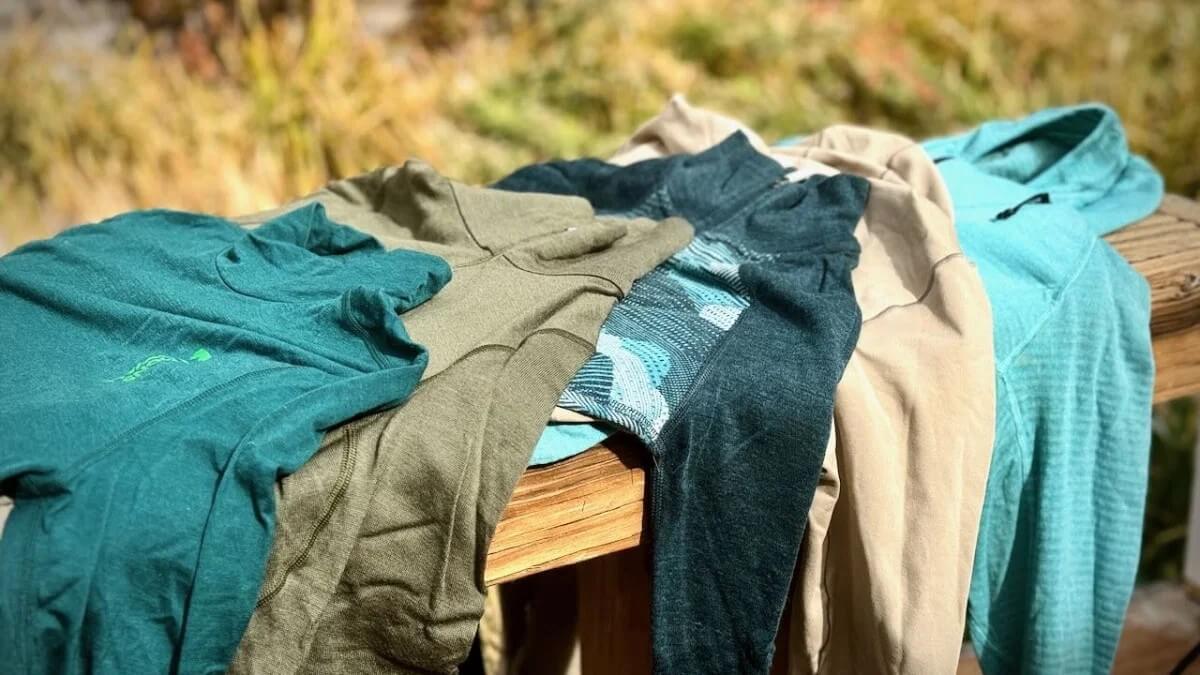
The Ultimate Base Layer Guide for Outdoor Performance
Layne | 08-12-2026 | Views 125 times
The Ultimate Base Layer Guide for Outdoor Performance 1.Introduction Choosing the right layers when on the slopes or taking part in any outdoor activity is crucial. A base layer is necessary for maintaining the right body temperature and will wick away moisture (often caused...
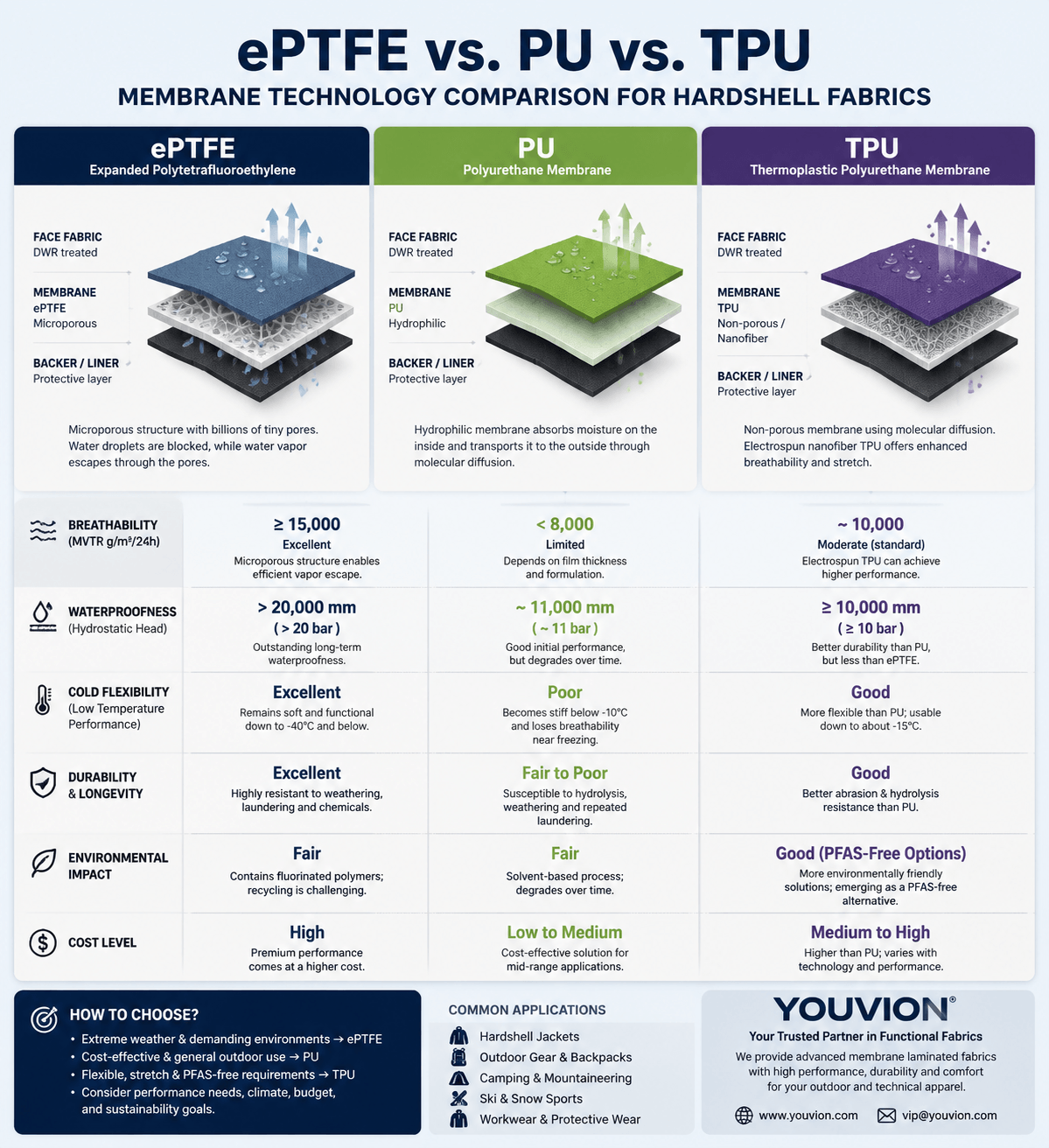
ePTFE vs. PU vs. TPU Membranes: A Technical Guide for Hardshell Fabrics
Layne | 08-09-2026 | Views 165 times
ePTFE vs. PU vs. TPU Membranes: A Technical Guide for Hardshell Fabrics 1.Introduction: The Critical Role of Membranes in Hardshell Performance 1.1 Defining the Hardshell Application Hardshell jackets represent the pinnacle of outdoor protective apparel, engineered to per...

Hiking 101: Essential Tips for a Safe and Memorable Trail Experience
Layne | 08-07-2026 | Views 151 times
Hiking 101: Essential Tips for a Safe and Memorable Trail Experience Hiking offers one of the most accessible and rewarding ways to connect with nature. Whether you are chasing panoramic summit views, seeking mental clarity, or simply craving an escape from daily routines, ...

Hard Shell vs Soft Shell Jacket: Answer These 7 Questions Before You Buy
Layne | 08-04-2026 | Views 286 times
Hard Shell vs. Soft Shell Jacket: Answer These 7 Questions Before You Buy The One-Sentence Rule You Can Use Right Now: If you’re going somewhere where more than 20 minutes of rain would ruin your day → get a hard shell. If you’re doing something that makes you...
Send Your Inquiry
Get a quote within 24 hours