

Introduction to 10 Fabric Finishing Processes
1. Purpose of Fabric Finishing
Finishing is a technical treatment that imparts color effects, shape effects (such as smoothness, velvety texture, stiffness, etc.), and practical effects (such as water resistance, shrinkage resistance, wrinkle resistance, pest resistance, flame resistance, etc.) to fabrics. Fabric finishing improves the appearance and feel of the fabric, enhances its usability, or provides special functions through chemical or physical methods. It is the process of adding the final touches to textiles.
Finishing methods can be divided into two main categories: physical/mechanical finishing and chemical finishing. Depending on the purpose and the effects produced, finishing can be categorized into basic finishing, appearance finishing, and functional finishing.
2. Purpose of Fabric Finishing can be as below:
1. Achieving Uniform Fabric Width and Stable Dimensions: This includes processes like setting (stretching) width, mechanical or chemical shrinkage prevention, wrinkle resistance, and thermal setting to stabilize the fabric's dimensions and shape.
2. Enhancing Fabric Appearance: This includes improving fabric gloss and whiteness, and enhancing or reducing the surface fluffiness of the fabric. Techniques include whitening, calendaring, electro-optical finishing, mercerizing, brushing, shearing, and shrinking.
3. Improving Fabric Hand Feel: This primarily involves chemical or mechanical methods to achieve tactile sensations such as softness, smoothness, fullness, stiffness, lightness, or heaviness. Examples include softening, stiffening, and weight addition.
4. Increasing Fabric Durability: This mainly uses chemical methods to prevent damage or erosion from sunlight, atmospheric conditions, or microorganisms, thereby extending the fabric's lifespan. Examples include anti-moth and anti-mildew treatments.
5. Imparting Special Properties to Fabrics: This includes giving fabrics certain protective or specialized functions such as flame resistance, antibacterial properties, water repellency, oil repellency, UV protection, and antistatic properties.
The development of fabric finishing technology is moving towards product functionality, differentiation, and high-end quality, with diverse and in-depth processing techniques. It emphasizes improving product usability and increasing added value. In recent years, new technologies from other fields (such as low-temperature plasma treatment, bioengineering, ultrasonic technology, electron beam radiation, inkjet printing, microencapsulation technology, and nanotechnology) have been introduced to enhance processing depth and achieve high-quality finishing products. With increasing awareness of environmental pollution and damage, and a focus on health and "low-carbon" economies, fabric finishing technology is required to adopt environmentally friendly "green" processing, producing "clean" and "low-carbon" textile products.
Basic fabric finishing methods include: stabilizing dimensions, improving appearance, optimizing hand feel, achieving multifunctionality and high added value, enhancing fabric quality, and meeting special requirements.
3. Various Finishing Processes
1. Pre-shrinking: This is a process to reduce fabric shrinkage after soaking to lower the shrinkage rate. Mechanical pre-shrinking involves initially wetting the fabric with steam or spray, then applying mechanical compression to increase the crimp wave height, followed by loose drying.
2. Setting Width: This process uses the plasticity of fibers such as cellulose, silk, and wool under humid conditions to gradually stretch the fabric width to the specified size and then dry it, thereby stabilizing the fabric's shape. This is also known as width setting.
3. Sizing: This refers to the process of applying a sizing solution to the fabric and then drying it to achieve a firm and stiff hand feel.
4. Heat Setting: This process stabilizes the shape of thermoplastic fibers and blends or interwoven fabrics. It is mainly used for synthetic fibers like nylon or polyester, which easily shrink or deform upon heating. Heat setting improves dimensional stability and gives the fabric a firmer feel.
5. Whitening: This process increases the whiteness of textiles using the principle of color compensation. Whitening methods include blueing and fluorescent whitening.
6. Calendaring, Electro-optical Finishing, and Embossing
- Calendaring: This process uses the plasticity of fibers under moist heat conditions to smooth or create parallel fine diagonal lines on the fabric surface, enhancing the fabric's gloss. Smooth calendaring involves hard and soft rollers; after calendaring, the yarns are flattened, resulting in a smooth surface, increased gloss, and a firmer hand feel. Soft calendaring uses two soft rollers to create a softer gloss and hand feel.
- Electro-optical Finishing: This involves using electrically heated rollers to finish the fabric.
- Embossing: This involves using steel rollers with engraved patterns and soft rollers under heat conditions to create glossy patterns on the fabric.
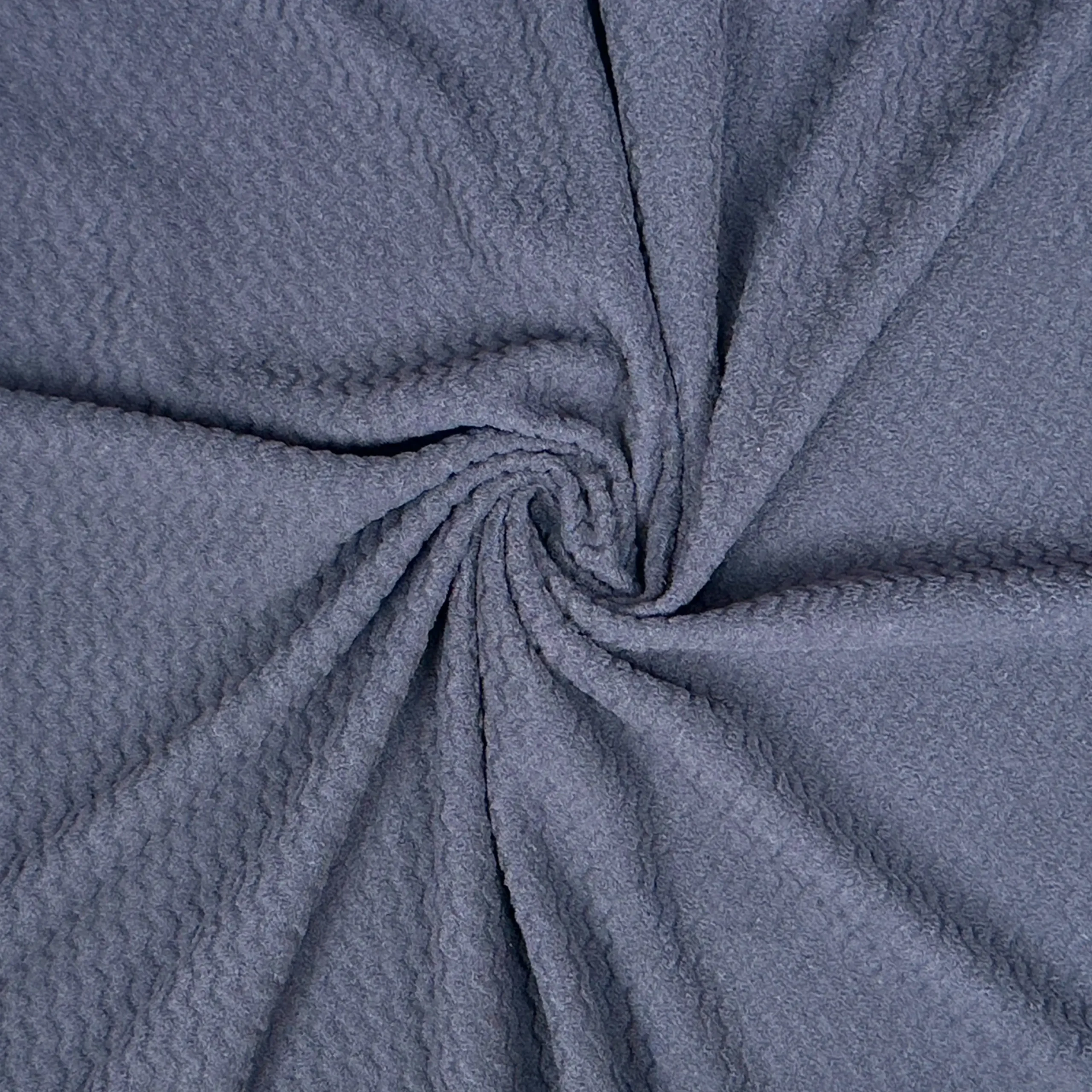
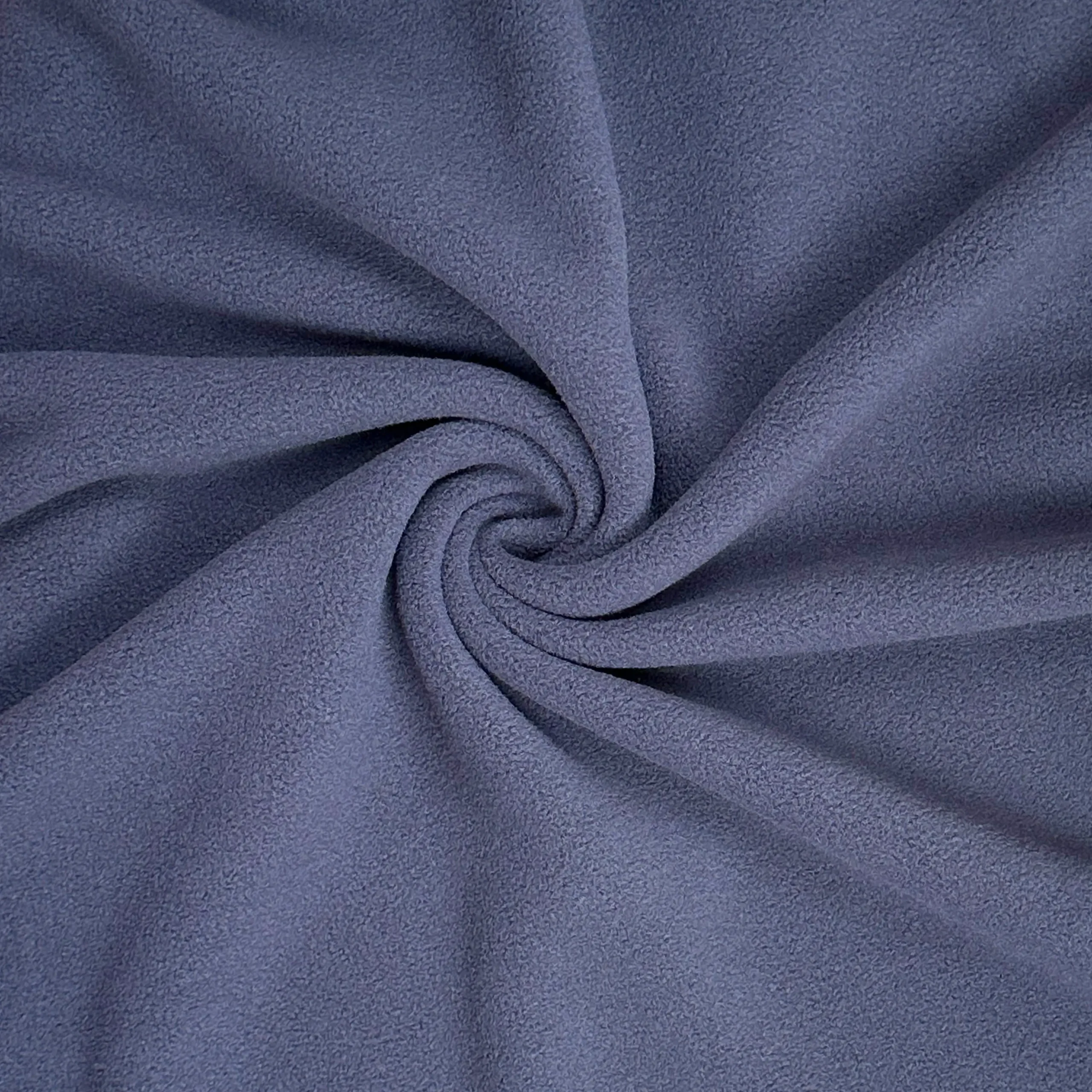
7. Brushing: This process involves using abrasive rollers or belts to create a layer of short, dense fluff on the fabric surface. This is also known as "milling" or "brushing," which produces short, dense fluff on both warp and weft yarns.
8. Napping: This involves using dense needles or tacks to raise fibers from the fabric surface to form a layer of fluff, also known as "raising." Napping is primarily used for coarse woolen fabrics, acrylic fabrics, and cotton fabrics. The layer of fluff improves warmth, appearance, and softness.
9. Shearing: This process involves using a shearing machine to cut away unwanted nap from the fabric surface. The purpose is to make the fabric weave clear, the surface smooth, or to trim the nap or pile of napped or pile fabrics. Commonly applied to woolen, velvet, faux fur, and carpet products.
10. Softening: There are two methods: mechanical and chemical. Mechanical softening involves repeatedly rubbing and bending the fabric, which may not achieve ideal softness. Chemical softening involves applying softening agents to the fabric, reducing friction between fibers and yarns, resulting in a notably softer and smoother hand feel with significant improvement.


Related Post


How to Choose the Right Midlayer Fabric for Outdoor Apparel
Layne | 10-20-2026 | Views 80 times
How to Choose the Right Midlayer Fabric for Outdoor Apparel Choosing the right midlayer fabric is essential for developing functional outdoor apparel. A good midlayer should provide warmth without unnecessary bulk while maintaining breathability, moisture management, comf...

A Complete Analysis of Waterproof Fabrics
Layne | 09-24-2026 | Views 272 times
A Complete Analysis of Waterproof Fabrics: From Principles to Processes, Understand Waterproof Ratings in One Go Foreword: How can a piece of fabric be made “not a drop of water leak-proof”? Whether a jacket can truly keep out the rain depends not on how thick it...
Waterproof vs. Water-repellent: Fabric differences that 90% of people get wrong
Layne | 09-22-2026 | Views 230 times
Waterproof vs. Water-repellent: Fabric differences that 90% of people get wrong About the author Youvion focuses on developing functional fabrics for outdoor apparel, covering solutions for inner, middle, and hardshell outer layers. Through years of collaboration with global...
Recycled Polyester (rPET): What It Is, How It’s Made, and Why It Matters for Outdoor Fabrics
Layne | 09-14-2026 | Views 423 times
Recycled Polyester (rPET): What It Is, How It’s Made, and Why It Matters for Outdoor Fabrics Recycled polyester (rPET) is widely used in modern textile production. It offers many of the performance characteristics of conventional polyester, including strength, abrasion re...

Superwash Wool vs Natural Wool
Layne | 09-11-2026 | Views 381 times
Superwash Wool vs Natural Wool 1.What’s “Superwash” Merino wool is a high-performance fiber bestowed by nature—it’s breathable, temperature regulating, naturally odor-resistant, and can absorb up to 35% of its own weight in moisture without feeling damp. However, for d...

Sorona® Fabric: A Sustainable Bio-Based Textile Material Combining Performance, Comfort, and Innovation
Layne | 09-10-2026 | Views 487 times
Sorona® Fabric: A Sustainable Bio-Based Textile Material Combining Performance, Comfort, and Innovation 1.What Is Sorona® Fabric? Sorona® is a bio-based functional textile material developed from advanced polymer technology. It is a PTT (polytrimethylene terephthalate) fiber...
Send Your Inquiry
Get a quote within 24 hours