

Exploring Durability: Key Factors and Top Fabrics for Wear Resistance
1. What Makes a Fabric Durable?
When it comes to choosing fabrics for various applications, durability and wear resistance are crucial factors to consider. Fabrics that can withstand abrasion and maintain their integrity over time are highly sought after in industries ranging from fashion and interior design to outdoor gear and upholstery. Let’s delve into the characteristics of durable fabrics and explore some of the top contenders in the realm of wear resistance.
Durable fabrics exhibit several key characteristics that contribute to their ability to withstand wear and tear:
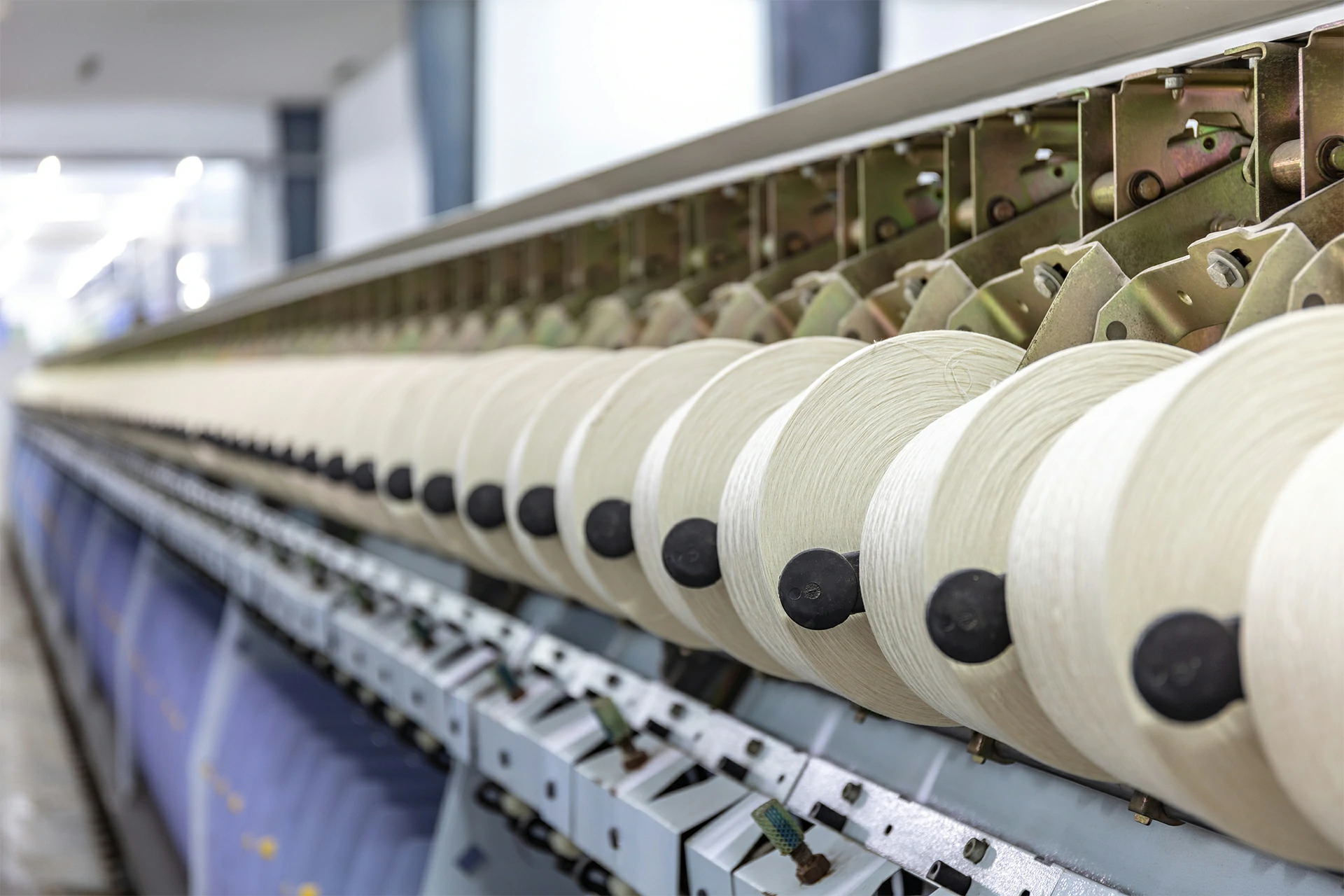
Fiber Strength: The inherent strength of the fibers used in the fabric significantly impacts its durability. Fibers like nylon, polyester, and certain natural fibers such as wool and silk are known for their robustness and resistance to abrasion.
Weave Structure: The way fibers are interlaced in the weave structure of the fabric plays a crucial role in its durability. Tighter weaves generally offer better resistance to abrasion compared to looser weaves.
Surface Finish: Some fabrics are treated with coatings or finishes that enhance their durability. Examples include fabrics with DWR (Durable Water Repellent) finishes or those treated with abrasion-resistant coatings.
Blended Fabrics: Combining different types of fibers in a fabric blend can enhance its durability. For instance, blends of polyester and cotton often result in fabrics that are both strong and comfortable.

2. Top Durable Fabrics
Several types of fabrics are renowned for their exceptional durability and wear resistance:
Cordura®: Cordura® fabrics are known for their durability and are commonly used in high-performance gear and apparel. They are made from nylon fibers and are highly resistant to abrasion, tears, and scuffs.
Denim: Denim fabric, traditionally made from cotton, is celebrated for its durability and ruggedness. It’s a popular choice for jeans and workwear due to its abrasion resistance.
Canvas: Canvas fabrics, usually made from cotton or a cotton blend, are robust and durable. They are widely used in tents, bags, and outdoor furniture due to their strength and longevity.
Wool: Wool fibers are naturally resilient and have excellent abrasion resistance. Wool fabrics are often used in upholstery and carpets for their durability and luxurious feel.
Polyester Blends: Fabrics made from polyester blends, such as polyester-cotton blends or polyester-rayon blends, are valued for their durability, wrinkle resistance, and ease of care.
3. Applications of Durable Fabrics
Durable fabrics find applications in various industries and products:
Outdoor Gear: Tents, backpacks, and outdoor apparel require fabrics that can withstand rough outdoor conditions.
Automotive Upholstery: Fabrics used in car seats and interiors need to be durable to withstand constant use and abrasion.
Home Furnishings: Upholstery fabrics for sofas, chairs, and curtains benefit from durability to maintain their appearance and functionality over time.
Workwear and Uniforms: Fabrics used in uniforms and workwear need to be durable to withstand the demands of daily wear and rigorous activities.
Choosing the right fabric with excellent wear resistance is essential for ensuring longevity and performance in various applications. Whether you're selecting fabrics for outdoor adventures, home furnishings, or industrial use, understanding the factors that contribute to durability will guide you in making informed decisions. From Cordura® nylon to denim and wool, the world of durable fabrics offers a wide range of options to suit different needs and preferences.
By prioritizing durability, you can invest in fabrics that not only meet but exceed expectations in terms of wear resistance and longevity, ensuring satisfaction and reliability in every application.


Related Post

How to Choose the Right Midlayer Fabric for Outdoor Apparel
Layne | 10-20-2026 | Views 80 times
How to Choose the Right Midlayer Fabric for Outdoor Apparel Choosing the right midlayer fabric is essential for developing functional outdoor apparel. A good midlayer should provide warmth without unnecessary bulk while maintaining breathability, moisture management, comf...

A Complete Analysis of Waterproof Fabrics
Layne | 09-24-2026 | Views 272 times
A Complete Analysis of Waterproof Fabrics: From Principles to Processes, Understand Waterproof Ratings in One Go Foreword: How can a piece of fabric be made “not a drop of water leak-proof”? Whether a jacket can truly keep out the rain depends not on how thick it...
Waterproof vs. Water-repellent: Fabric differences that 90% of people get wrong
Layne | 09-22-2026 | Views 231 times
Waterproof vs. Water-repellent: Fabric differences that 90% of people get wrong About the author Youvion focuses on developing functional fabrics for outdoor apparel, covering solutions for inner, middle, and hardshell outer layers. Through years of collaboration with global...
Recycled Polyester (rPET): What It Is, How It’s Made, and Why It Matters for Outdoor Fabrics
Layne | 09-14-2026 | Views 423 times
Recycled Polyester (rPET): What It Is, How It’s Made, and Why It Matters for Outdoor Fabrics Recycled polyester (rPET) is widely used in modern textile production. It offers many of the performance characteristics of conventional polyester, including strength, abrasion re...

Superwash Wool vs Natural Wool
Layne | 09-11-2026 | Views 381 times
Superwash Wool vs Natural Wool 1.What’s “Superwash” Merino wool is a high-performance fiber bestowed by nature—it’s breathable, temperature regulating, naturally odor-resistant, and can absorb up to 35% of its own weight in moisture without feeling damp. However, for d...

Sorona® Fabric: A Sustainable Bio-Based Textile Material Combining Performance, Comfort, and Innovation
Layne | 09-10-2026 | Views 487 times
Sorona® Fabric: A Sustainable Bio-Based Textile Material Combining Performance, Comfort, and Innovation 1.What Is Sorona® Fabric? Sorona® is a bio-based functional textile material developed from advanced polymer technology. It is a PTT (polytrimethylene terephthalate) fiber...
Send Your Inquiry
Get a quote within 24 hours