
Merino Wool vs. Synthetic Fabrics: Which One Should You Choose?
If you've spent any time looking at outdoor base layers recently, you've probably noticed one material dominating the conversation: Merino wool. Brands love talking about it — natural, sustainable, odor-resistant, temperature-regulating, and incredibly comfortable. It's easy to get the impression that upgrading your gear means switching to wool.
But here's the thing. Talk to seasoned outdoor enthusiasts, and you'll hear a very different story. Many of them don't actually swear by wool. In fact, in plenty of situations, they'd rather reach for a synthetic base layer. Why?
Because most discussions about wool miss one fundamental question: What is a base layer really supposed to do?
1. The One Job of a Base Layer
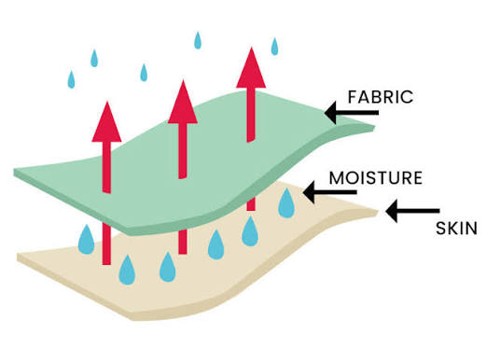
A lot of beginners think a base layer is just about warmth. But in a proper outdoor layering system, it has one primary mission: managing sweat.
When you're moving, your body is basically a giant heat-dissipation system. If sweat isn't handled properly, you end up in one of two miserable states — either cold and damp, or hot and sticky.
So, the real job of a base layer comes down to four things: wicking sweat, regulating body temperature, reducing friction, and staying comfortable over long periods. To solve this, the outdoor industry has essentially developed two approaches:
• Synthetic fibers (polyester and nylon)
• Natural fibers (Merino wool)
2. Why Runners Often Skip Wool
Take a look at running, cycling, or trail racing, and you'll notice something: most base layers are synthetic. The reason is simple — efficiency.
Polyester and nylon are engineered to pull sweat away from your skin quickly and spread it across the fabric surface for rapid evaporation. During high-intensity activities, that speed matters. A lot.
When you're pushing hard, the priority isn't "comfort" — it's getting moisture off your body as fast as possible.
3. Where Wool Actually Shines
Wool's real strength lies somewhere else: long-term comfort and stability.
Wool fibers absorb moisture while still feeling relatively dry to the touch. And because wool is a natural protein fiber, it naturally resists bacterial growth — which means it doesn't develop that funky smell after a day or two of wear. That's exactly why brands emphasize wool's advantages for travel and multi-day adventures.
If your activities include multi-day treks, skiing, camping, or extended trips outdoors, wool feels amazing. But here's an important nuance: feeling great doesn't mean it outperforms synthetics across the board.
4. Three Downsides of Wool
When a material gets hyped enough, its strengths tend to get exaggerated. But once you actually use wool gear for a while, a few drawbacks become pretty obvious:
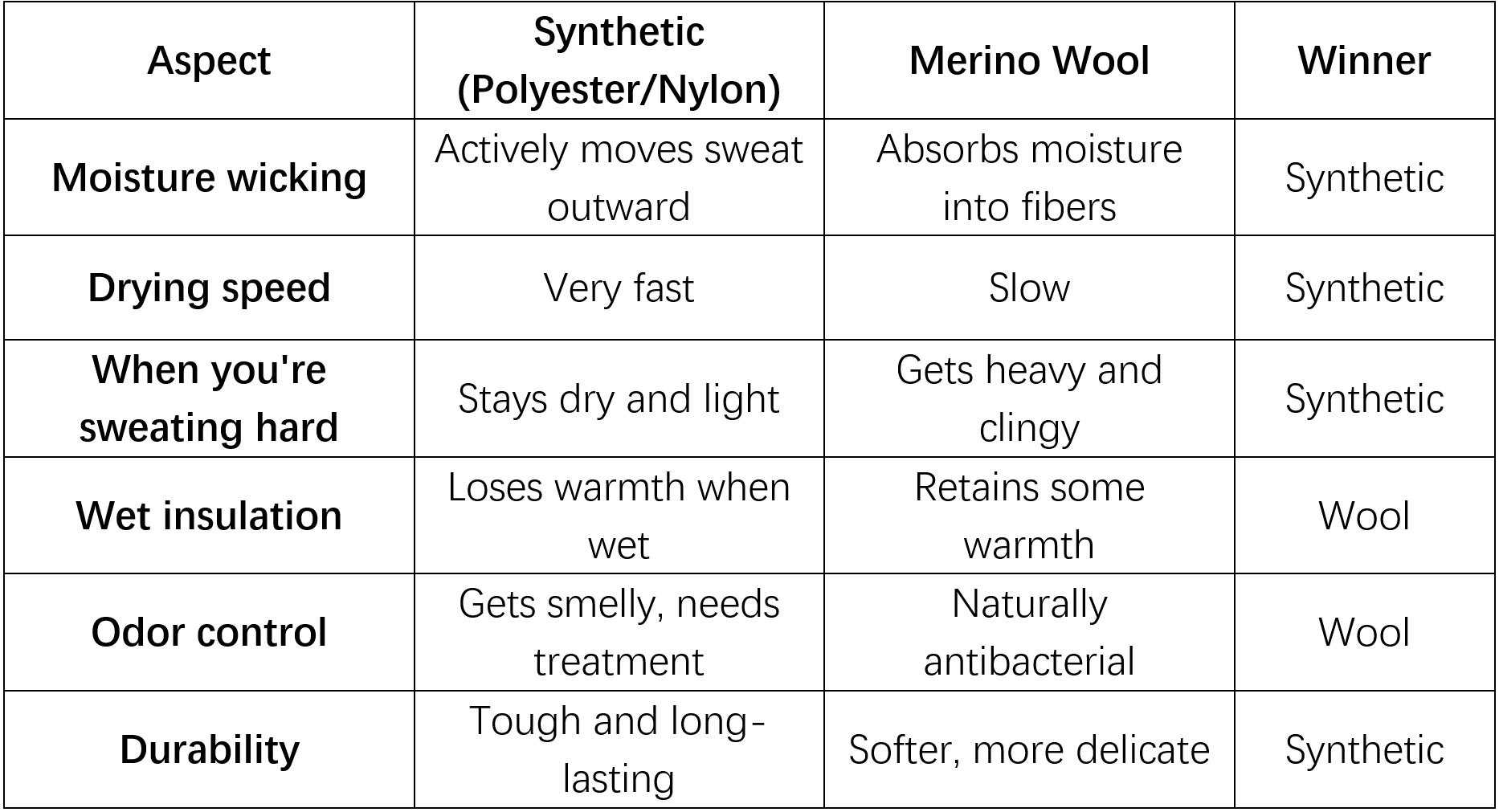
• Slow drying: Wool absorbs a lot of moisture but releases it slowly. In hot, sweaty conditions, your shirt can stay wet for a long time.
• Durability: Lightweight wool is soft, but it pills and wears thin in high-friction areas (like under backpack straps).
• Price: Wool costs more to produce, so the retail price is significantly higher than synthetic options — without always delivering better performance in weight or dry time.
This is why many experienced outdoor folks see wool not as an "upgrade" over synthetics, but as a different solution for a different set of needs.
5. How They Compare Head-to-Head
The bottom line?
• For high-output activities with heavy sweating — go synthetic.
• For long wear, cold weather, and multi-day use where odor matters — wool is more comfortable.
6. The Industry Is Evolving
Here's where it gets interesting. More and more brands are moving away from pure wool. Instead, they're blending it with synthetics — wool + polyester, wool + nylon, wool + elastane.
These blends aim to give you the best of both worlds: the soft, natural feel of wool with the strength and quick-drying performance of synthetics.
One standout approach is core-spun yarn — a synthetic core wrapped in wool fibers. Companies like Südwolle Group have been doing some serious development in this space. It's clear that wool is transitioning from a purely "natural" material into something more like an engineered performance material.
Even leading Merino brands like Icebreaker and Smartwool have introduced their own wool-blend technologies:
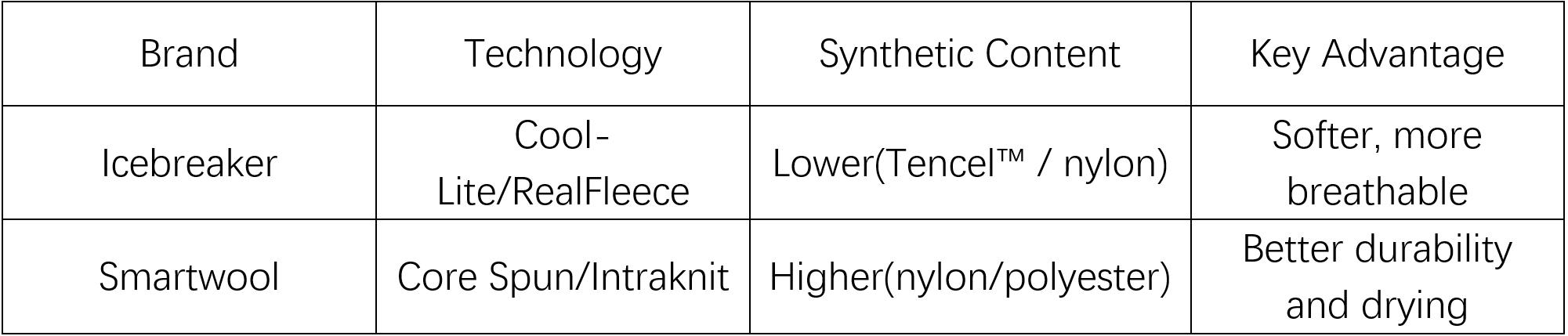
For example, Smartwool's all-season base layer uses a blend of 55% Merino wool, 19% Lyocell, 15% polyester, 9% nylon, and 2% elastane — a balanced mix that reflects where the industry is heading.
At Youvion, we've taken the same blended approach — but with a fabric engineer's attention to detail.
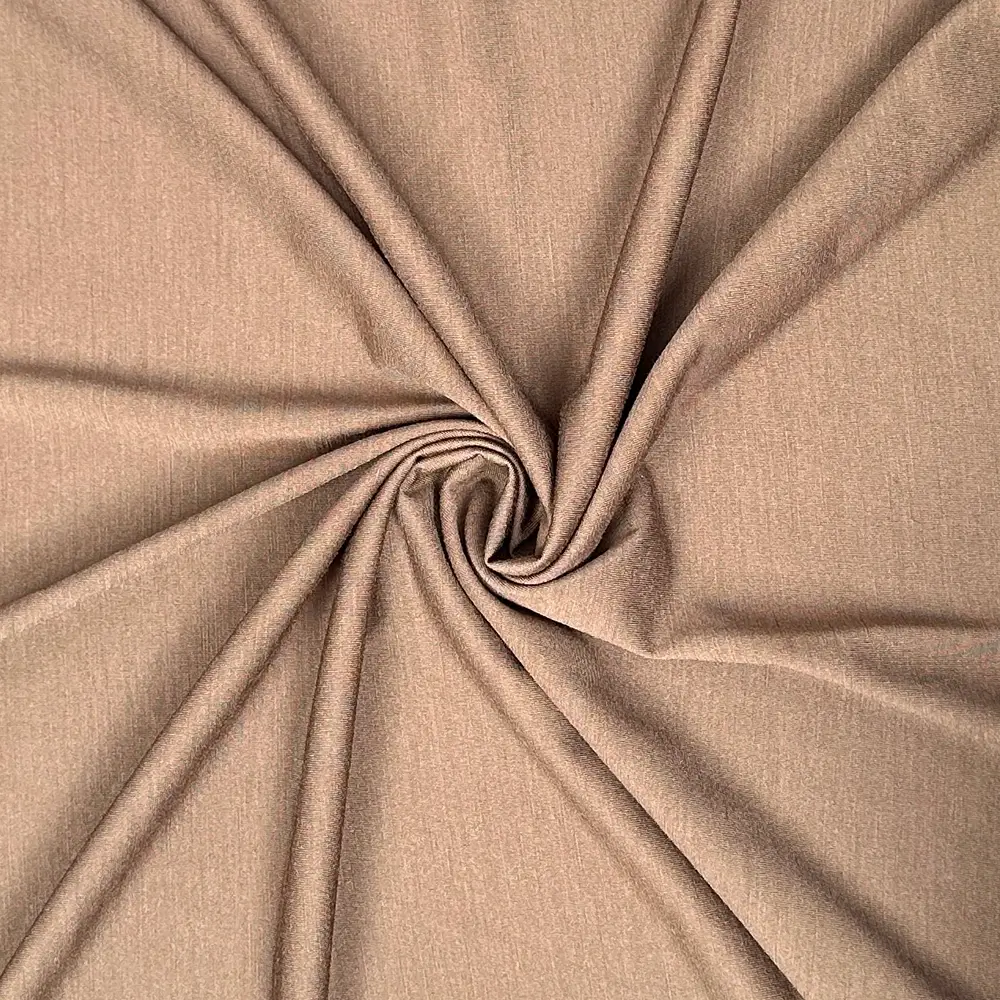
Our Nylon Wool Single Jersey Base Layer Fabric (100 GSM) is built for performance. With 57% nylon and 43% Merino wool, it delivers the durability and quick-dry support of nylon alongside the natural comfort and odor resistance of wool. At just 100 GSM, it's lightweight enough for high-output days but warm enough when the temperature drops.
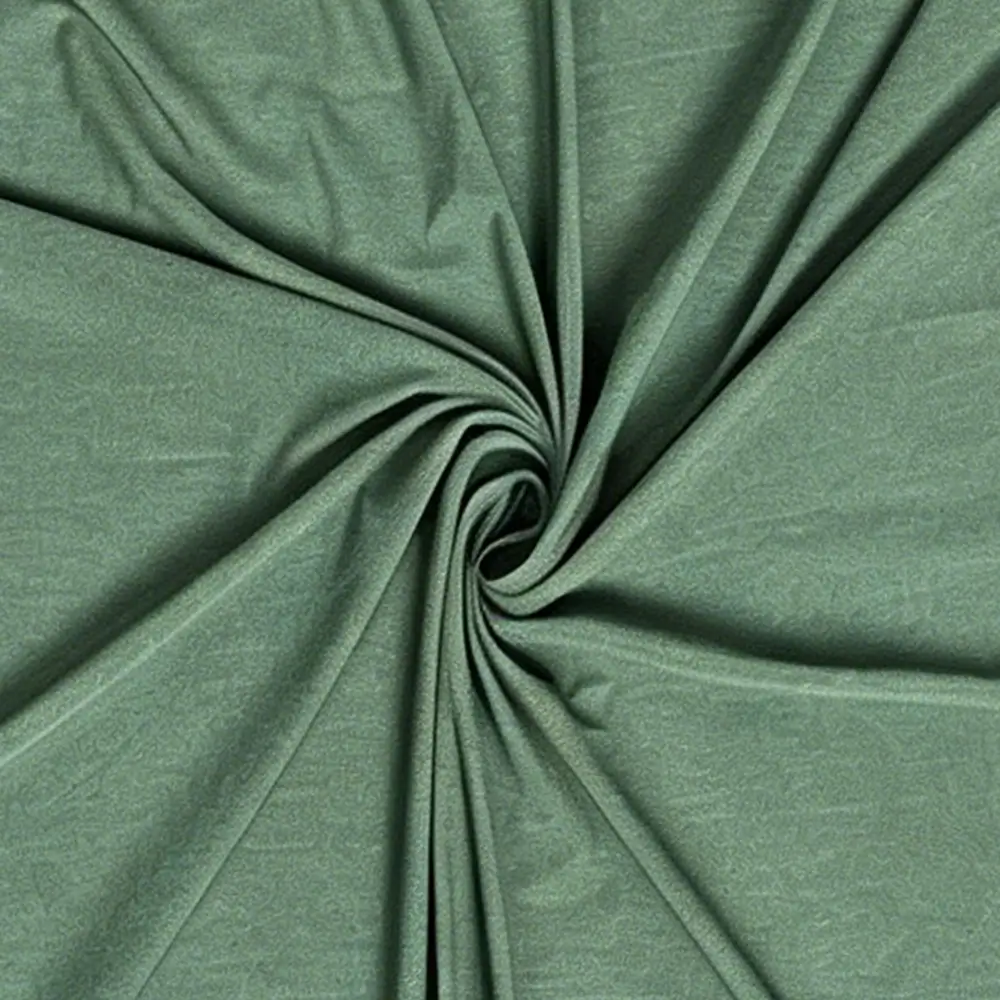
And if you're looking for even faster drying, our 50/50 Wool Blend Fabric pairs polyester with superfine Merino for active moisture transport that doesn't quit.
7. Do You Actually Need Merino Wool?
The answer isn't complicated — there's no absolute "better." It all depends on your use case.
• If you do multi-day treks, winter skiing, camping, or extended outdoor trips, your best bet is Merino wool — for odor control and comfort in cool, damp conditions.
• If you run, cycle, hike in summer, or do any high-sweat activity, your best bet is Synthetic — for fast drying and lightweight performance.
• If you want a balance for commuting and light outdoor use, your best bet is Wool blends — the sweet spot that combines comfort, odor resistance, and durability.
So don't get caught up in the hype. Think about what you actually do outdoors, and choose the fabric that fits your needs — not just the one that's trending right now.


Related Post

How to Choose the Right Midlayer Fabric for Outdoor Apparel
Layne | 10-20-2026 | Views 80 times
How to Choose the Right Midlayer Fabric for Outdoor Apparel Choosing the right midlayer fabric is essential for developing functional outdoor apparel. A good midlayer should provide warmth without unnecessary bulk while maintaining breathability, moisture management, comf...

A Complete Analysis of Waterproof Fabrics
Layne | 09-24-2026 | Views 272 times
A Complete Analysis of Waterproof Fabrics: From Principles to Processes, Understand Waterproof Ratings in One Go Foreword: How can a piece of fabric be made “not a drop of water leak-proof”? Whether a jacket can truly keep out the rain depends not on how thick it...
Waterproof vs. Water-repellent: Fabric differences that 90% of people get wrong
Layne | 09-22-2026 | Views 231 times
Waterproof vs. Water-repellent: Fabric differences that 90% of people get wrong About the author Youvion focuses on developing functional fabrics for outdoor apparel, covering solutions for inner, middle, and hardshell outer layers. Through years of collaboration with global...

Recycled Polyester (rPET): What It Is, How It’s Made, and Why It Matters for Outdoor Fabrics
Layne | 09-14-2026 | Views 423 times
Recycled Polyester (rPET): What It Is, How It’s Made, and Why It Matters for Outdoor Fabrics Recycled polyester (rPET) is widely used in modern textile production. It offers many of the performance characteristics of conventional polyester, including strength, abrasion re...

Superwash Wool vs Natural Wool
Layne | 09-11-2026 | Views 381 times
Superwash Wool vs Natural Wool 1.What’s “Superwash” Merino wool is a high-performance fiber bestowed by nature—it’s breathable, temperature regulating, naturally odor-resistant, and can absorb up to 35% of its own weight in moisture without feeling damp. However, for d...

Sorona® Fabric: A Sustainable Bio-Based Textile Material Combining Performance, Comfort, and Innovation
Layne | 09-10-2026 | Views 487 times
Sorona® Fabric: A Sustainable Bio-Based Textile Material Combining Performance, Comfort, and Innovation 1.What Is Sorona® Fabric? Sorona® is a bio-based functional textile material developed from advanced polymer technology. It is a PTT (polytrimethylene terephthalate) fiber...
Send Your Inquiry
Get a quote within 24 hours