

Recycled Nylon Fabric In The Textile Industry
1. Background
The textile industry has long been associated with high environmental impact, but recent advancements are paving the way for a more sustainable future. Among these advancements, recycled nylon fabric stands out as a game-changer, offering both environmental benefits and high-performance characteristics. This blog explores the journey of recycled nylon, its benefits, and its role in the sustainable fashion movement. Nylon, a synthetic polymer, has been a staple in the textile industry since its invention in the 1930s. It's known for its strength, elasticity, and resistance to wear and tear. However, traditional nylon production is resource-intensive and environmentally damaging, relying on petroleum and emitting significant greenhouse gases.
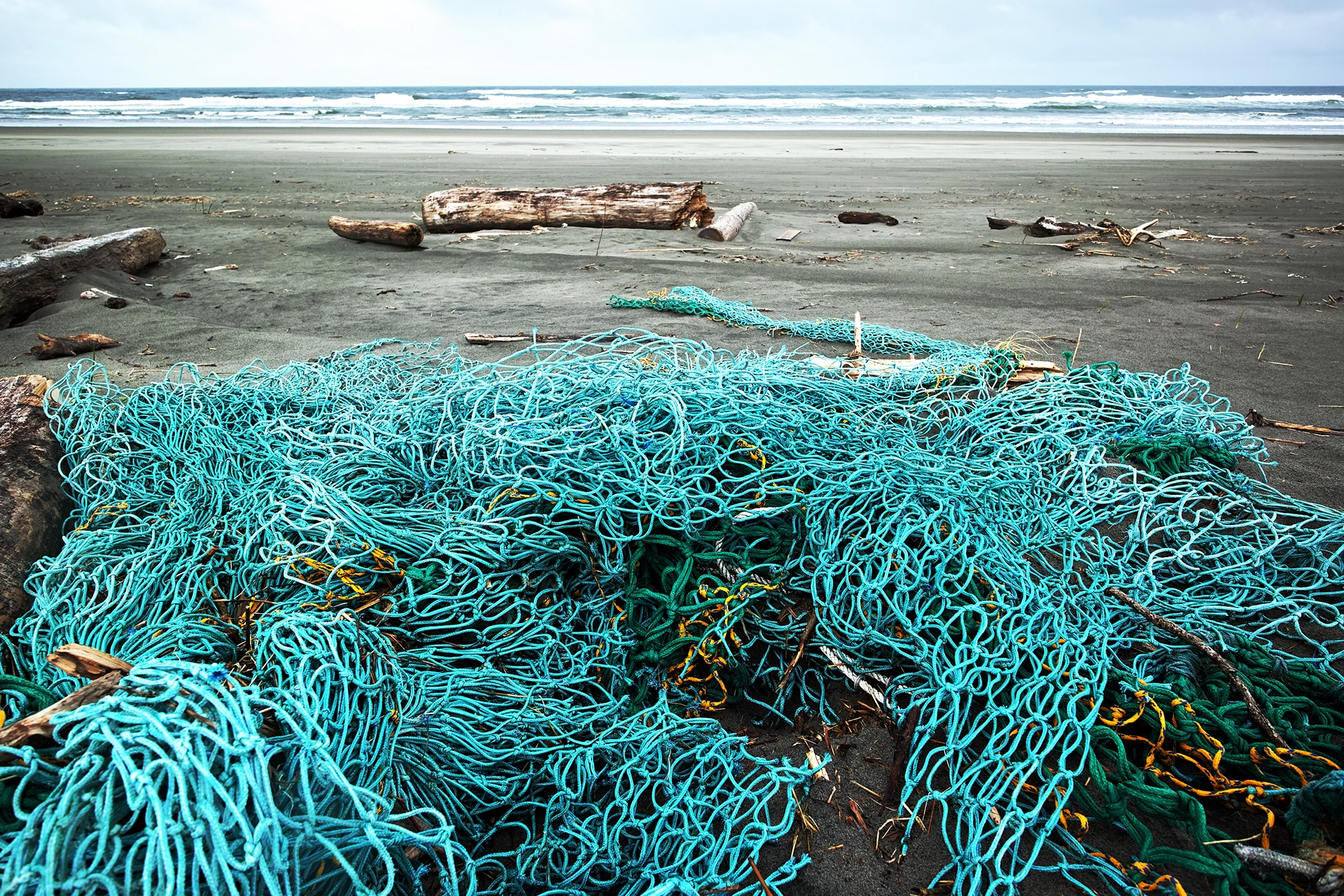
Recycled nylon offers a sustainable alternative. The process begins with the collection of waste materials, such as discarded fishing nets, fabric scraps, and industrial plastic waste. These materials are then cleaned, shredded, and processed into nylon chips. Through a series of chemical reactions, these chips are transformed into recycled nylon fibers, ready to be spun into new fabrics.
2. Environmental Benefits of Recycled Nylon
Waste Reduction: By repurposing waste materials, recycled nylon helps reduce the volume of plastic waste that ends up in landfills and oceans. This not only conserves natural resources but also mitigates the harmful effects of plastic pollution on marine life and ecosystems.
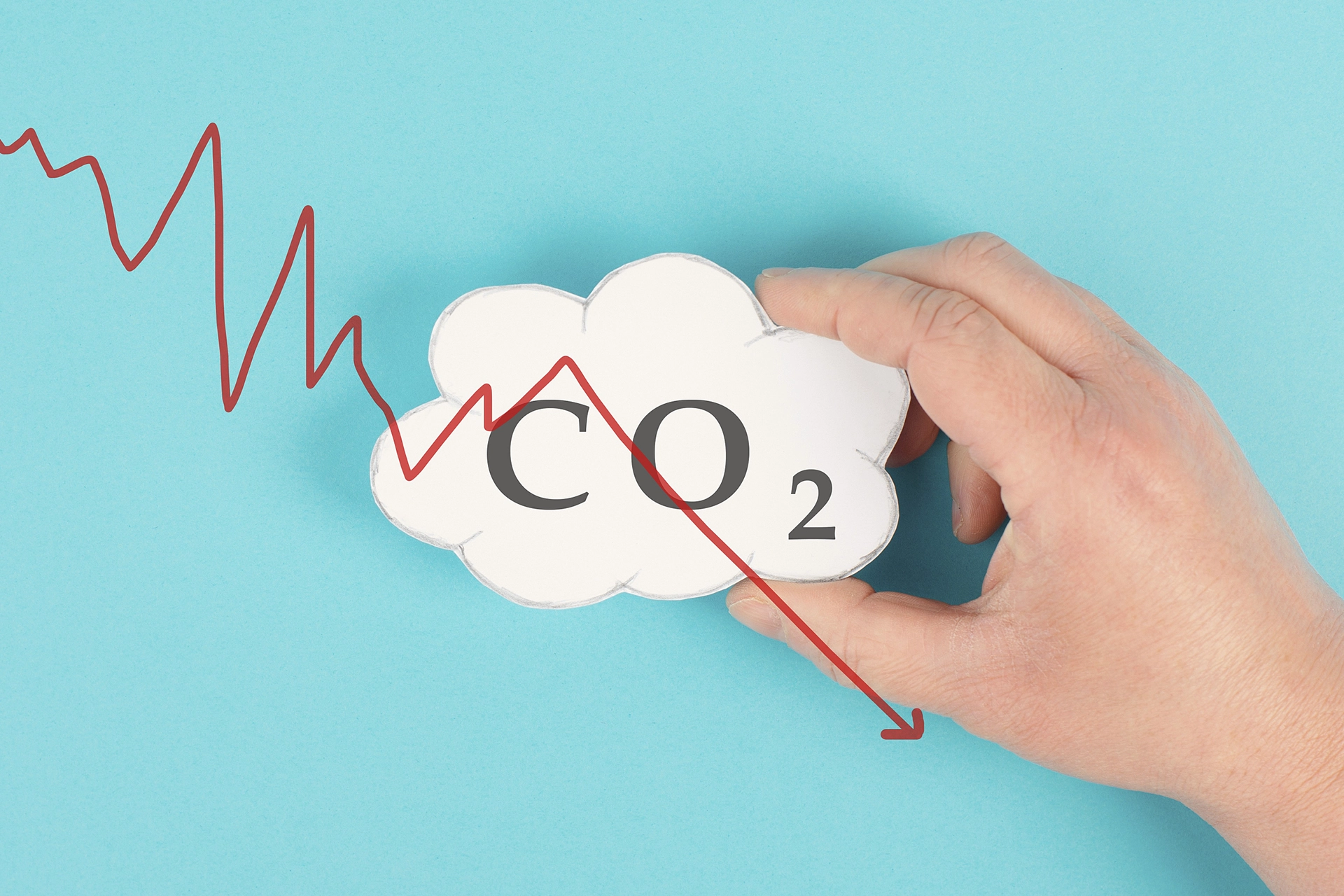
Lower Carbon Footprint: The production of recycled nylon requires less energy and water compared to virgin nylon. It also produces fewer greenhouse gas emissions, contributing to the fight against climate change. According to some estimates, recycled nylon can reduce carbon emissions by up to 80% compared to its virgin counterpart.
Resource Conservation: Traditional nylon production relies on non-renewable petroleum resources. Recycling nylon conserves these resources, reducing the industry's dependency on fossil fuels and promoting a circular economy where materials are continuously repurposed.

3. High-Performance Characteristics
Recycled nylon doesn't compromise on performance. It retains the desirable qualities of virgin nylon, such as durability, elasticity, and resistance to abrasion and chemicals. This makes it an ideal choice for a wide range of applications, from activewear and swimwear to outdoor gear and fashion apparel.
Durability: Recycled nylon fabrics are known for their strength and longevity, making them suitable for high-performance clothing that endures rigorous use.
Comfort: The fabric is soft and lightweight, providing comfort without sacrificing functionality. It's often blended with other fibers to enhance its properties, resulting in versatile textiles for various applications.
Innovation: Advances in recycling technology are continually improving the quality of recycled nylon, making it increasingly indistinguishable from virgin nylon. Innovations in dyeing and finishing processes also enhance the aesthetic appeal and functionality of recycled nylon fabrics.
4. The Role of Recycled Nylon in Sustainable Fashion
As consumers become more environmentally conscious, the demand for sustainable fashion is on the rise. Brands are responding by incorporating recycled nylon into their collections, highlighting their commitment to sustainability. From luxury fashion houses to athletic wear giants, many are embracing recycled nylon to meet the growing demand for eco-friendly products.
Ethical Appeal: Using recycled nylon allows brands to market their products as sustainable and ethically produced, attracting environmentally conscious consumers.
Transparency: Brands that use recycled nylon often emphasize transparency in their supply chains, providing information about the sourcing and processing of materials. This builds trust and credibility with consumers who prioritize sustainability.
Innovation in Design: Recycled nylon opens up new possibilities for innovative design, enabling brands to create unique and stylish products while reducing their environmental footprint.


Related Post

Why Today’s Eco-Conscious Shoppers Are Choosing Safer, Greener Textiles
Layne | 08-18-2026 | Views 119 times
PFAS-Free & PFC-Free: Why Today’s Eco-Conscious Shoppers Are Choosing Safer, Greener Textiles 1.Introduction: The New Standard in Sustainability Sustainability isn’t just a trend anymore—it’s the new standard. Across the globe, consumers are rethinking ...
The Ultimate Base Layer Guide for Outdoor Performance
Layne | 08-12-2026 | Views 113 times
The Ultimate Base Layer Guide for Outdoor Performance 1.Introduction Choosing the right layers when on the slopes or taking part in any outdoor activity is crucial. A base layer is necessary for maintaining the right body temperature and will wick away moisture (often caused...
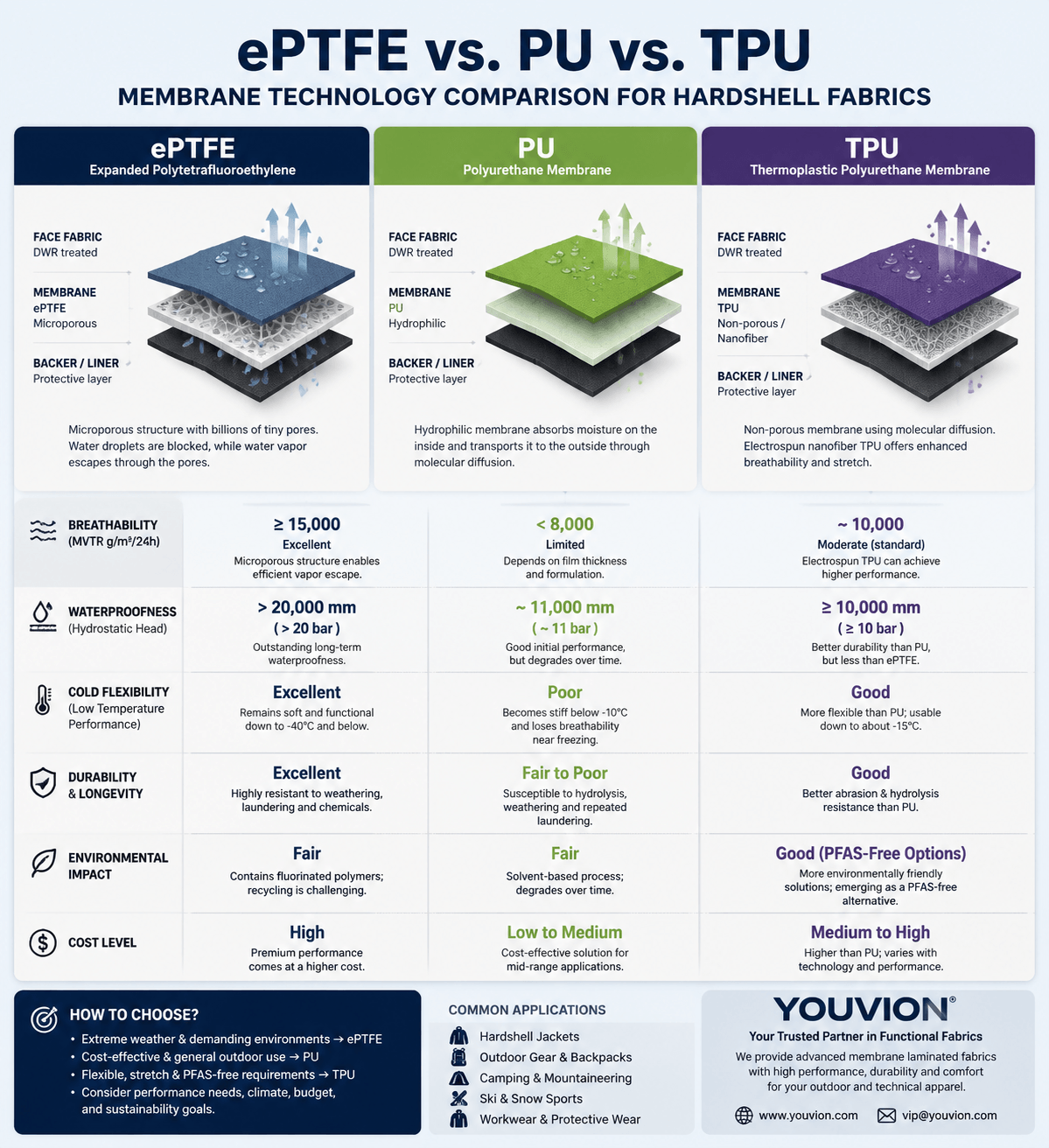
ePTFE vs. PU vs. TPU Membranes: A Technical Guide for Hardshell Fabrics
Layne | 08-09-2026 | Views 152 times
ePTFE vs. PU vs. TPU Membranes: A Technical Guide for Hardshell Fabrics 1.Introduction: The Critical Role of Membranes in Hardshell Performance 1.1 Defining the Hardshell Application Hardshell jackets represent the pinnacle of outdoor protective apparel, engineered to per...

Hiking 101: Essential Tips for a Safe and Memorable Trail Experience
Layne | 08-07-2026 | Views 136 times
Hiking 101: Essential Tips for a Safe and Memorable Trail Experience Hiking offers one of the most accessible and rewarding ways to connect with nature. Whether you are chasing panoramic summit views, seeking mental clarity, or simply craving an escape from daily routines, ...

Hard Shell vs Soft Shell Jacket: Answer These 7 Questions Before You Buy
Layne | 08-04-2026 | Views 273 times
Hard Shell vs. Soft Shell Jacket: Answer These 7 Questions Before You Buy The One-Sentence Rule You Can Use Right Now: If you’re going somewhere where more than 20 minutes of rain would ruin your day → get a hard shell. If you’re doing something that makes you...

Beyond the Surface: 5 Key Directions in High-Performance Outdoor Fabrics for 2026 and Beyond
Layne | 07-24-2026 | Views 478 times
5 Key Directions in High-Performance Outdoor Fabrics for 2026 and Beyond The outdoor apparel industry is in the midst of a material revolution. Today’s consumers demand more than just weather protection—they seek clothing that disappears on the body, int...
Send Your Inquiry
Get a quote within 24 hours