

Exploring Nano Fabrics: Revolutionizing Textiles with Nanotechnology

1.What are Nano Fabrics?
In the world of textiles, innovation knows no bounds. Among the latest advancements, nano fabrics stand at the forefront, transforming conventional textiles into marvels of modern engineering. Harnessing the power of nanotechnology, these fabrics are not just about aesthetics; they redefine functionality and performance. Nano fabrics are textiles engineered with nanotechnology, where materials are manipulated at the molecular or atomic level. This precision crafting imbues fabrics with extraordinary properties that traditional textiles simply cannot match. Whether it's enhancing durability, improving comfort, or adding specialized functionalities, nano fabrics pave the way for a new era in garment design.

2.Key Advantages of Nano Fabrics
1. Enhanced Performance: By altering the structure of fibers at the nano scale, these fabrics exhibit enhanced properties such as stain resistance, water repellence, and UV protection. This makes them ideal for outdoor gear, sportswear, and everyday clothing that needs to withstand diverse environmental conditions.
2. Durability: Nano fabrics are renowned for their durability and longevity. The meticulous engineering of fibers ensures they can withstand wear and tear better than traditional materials, offering a longer lifespan for garments.
3. Comfort: Despite their advanced functionalities, nano fabrics prioritize comfort. They are breathable, lightweight, and often stretchable, ensuring wearers experience optimal comfort without compromising on performance.
4. Environmentally Friendly: Many nano fabrics are designed with sustainability in mind. They utilize eco-friendly materials and processes, minimizing environmental impact while offering superior performance.

3. Applications of Nano Fabrics
The versatility of nano fabrics opens doors to various applications across industries:
- Healthcare: Antimicrobial nano fabrics inhibit bacterial growth, making them ideal for medical scrubs, bandages, and hospital textiles.
- Fashion: Designers are exploring nano fabrics for haute couture, integrating futuristic designs with practical functionalities like self-cleaning capabilities and color-changing properties.
- Outdoor Gear: From waterproof jackets to breathable hiking apparel, nano fabrics enhance outdoor enthusiasts' experience by keeping them dry, comfortable, and protected.
- Military and Defense: Nano fabrics with flame-retardant and ballistic-resistant properties offer enhanced protection for military personnel and law enforcement.

4. Challenges and Future Outlook
While nano fabrics offer immense promise, there are challenges such as scalability of production and ensuring safety in handling nano-scale materials. However, ongoing research and development continue to address these issues, paving the way for wider adoption and innovative applications in the future.


Related Post


How to Choose the Right Midlayer Fabric for Outdoor Apparel
Layne | 10-20-2026 | Views 83 times
How to Choose the Right Midlayer Fabric for Outdoor Apparel Choosing the right midlayer fabric is essential for developing functional outdoor apparel. A good midlayer should provide warmth without unnecessary bulk while maintaining breathability, moisture management, comf...

A Complete Analysis of Waterproof Fabrics
Layne | 09-24-2026 | Views 279 times
A Complete Analysis of Waterproof Fabrics: From Principles to Processes, Understand Waterproof Ratings in One Go Foreword: How can a piece of fabric be made “not a drop of water leak-proof”? Whether a jacket can truly keep out the rain depends not on how thick it...
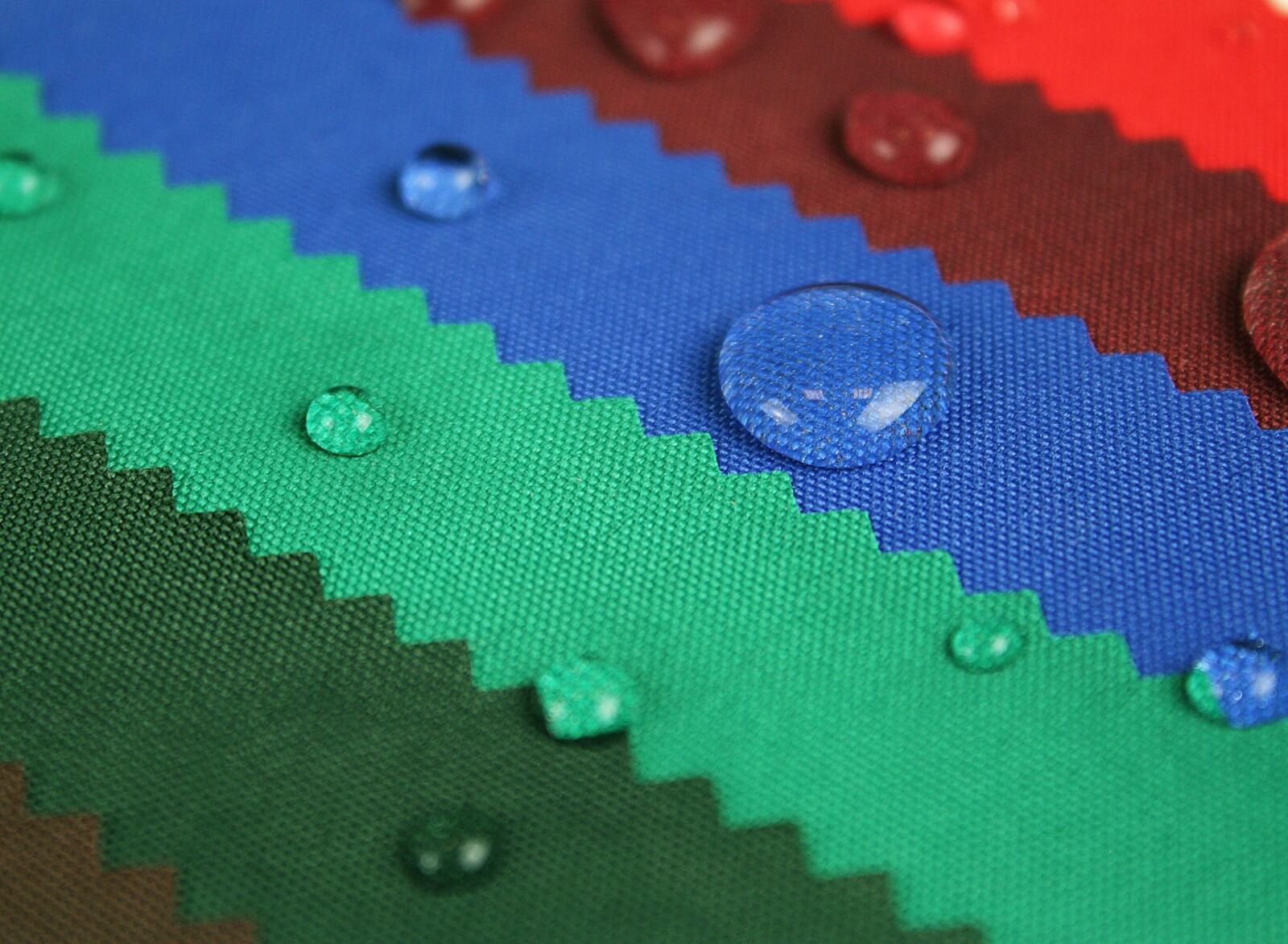
Waterproof vs. Water-repellent: Fabric differences that 90% of people get wrong
Layne | 09-22-2026 | Views 233 times
Waterproof vs. Water-repellent: Fabric differences that 90% of people get wrong About the author Youvion focuses on developing functional fabrics for outdoor apparel, covering solutions for inner, middle, and hardshell outer layers. Through years of collaboration with global...

Recycled Polyester (rPET): What It Is, How It’s Made, and Why It Matters for Outdoor Fabrics
Layne | 09-14-2026 | Views 430 times
Recycled Polyester (rPET): What It Is, How It’s Made, and Why It Matters for Outdoor Fabrics Recycled polyester (rPET) is widely used in modern textile production. It offers many of the performance characteristics of conventional polyester, including strength, abrasion re...

Superwash Wool vs Natural Wool
Layne | 09-11-2026 | Views 393 times
Superwash Wool vs Natural Wool 1.What’s “Superwash” Merino wool is a high-performance fiber bestowed by nature—it’s breathable, temperature regulating, naturally odor-resistant, and can absorb up to 35% of its own weight in moisture without feeling damp. However, for d...

Sorona® Fabric: A Sustainable Bio-Based Textile Material Combining Performance, Comfort, and Innovation
Layne | 09-10-2026 | Views 507 times
Sorona® Fabric: A Sustainable Bio-Based Textile Material Combining Performance, Comfort, and Innovation 1.What Is Sorona® Fabric? Sorona® is a bio-based functional textile material developed from advanced polymer technology. It is a PTT (polytrimethylene terephthalate) fiber...
Send Your Inquiry
Get a quote within 24 hours