

The Benefits And Importance Of Organic Cotton In Sustainable Fashion
1. Background
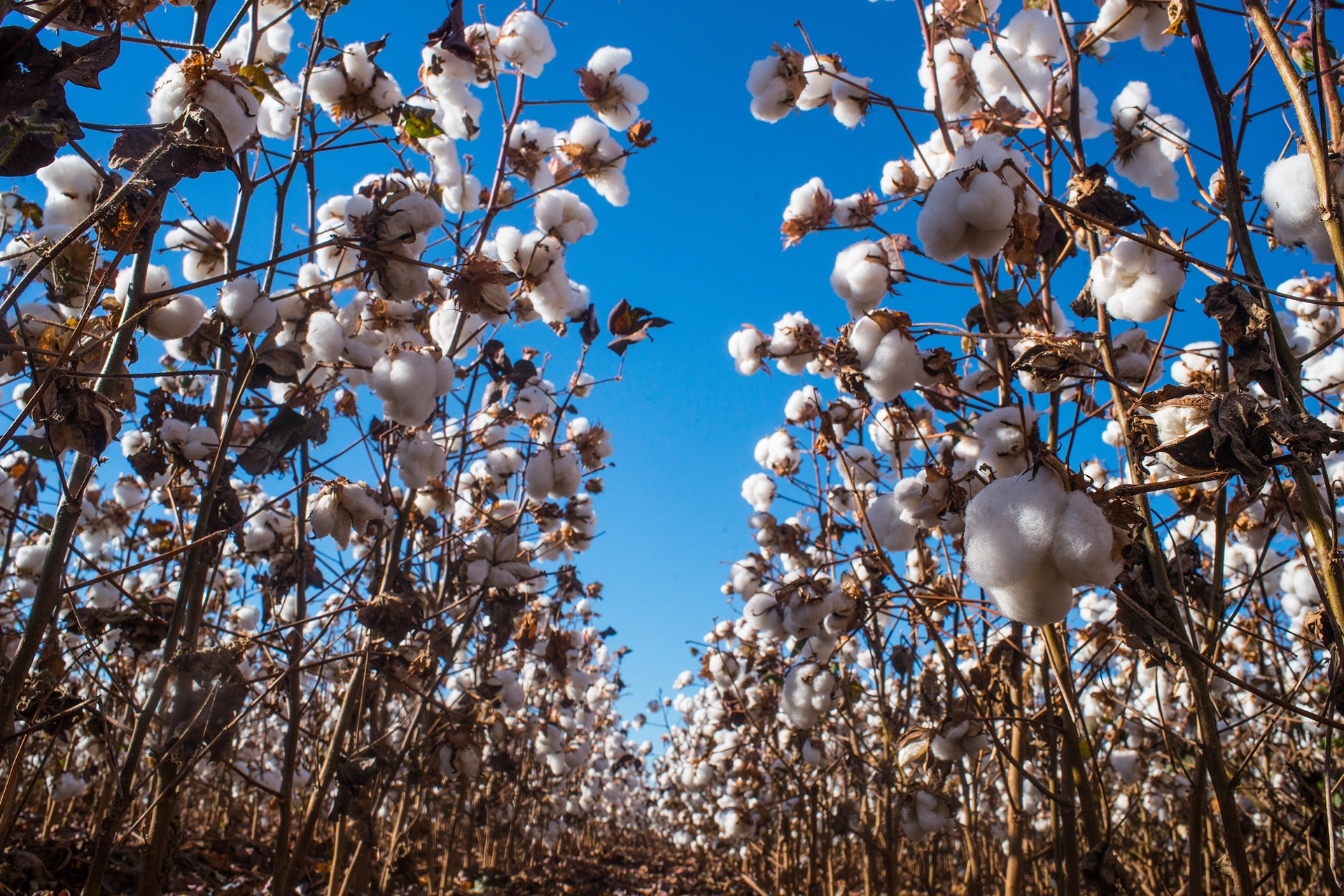
As the fashion industry shifts towards more sustainable practices, organic cotton has emerged as a vital component in the quest for eco-friendly textiles. Known for its environmental benefits and superior quality, organic cotton is increasingly becoming the fabric of choice for conscious consumers and ethical brands. In this blog, we'll explore what organic cotton is, how it's grown, and why it matters for the future of sustainable fashion.
2. What is Organic Cotton?
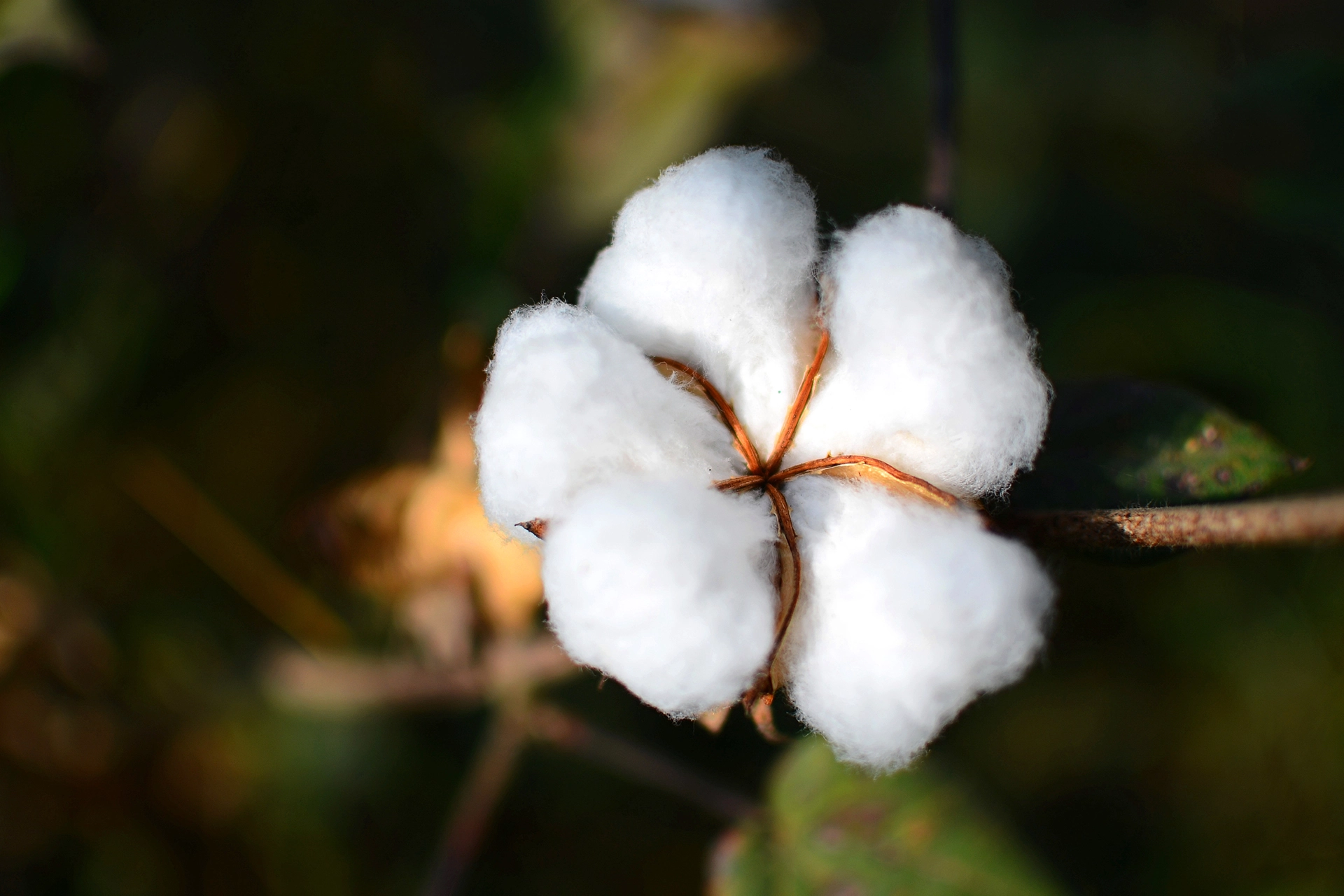
Organic cotton is cotton that is grown without the use of synthetic chemicals, such as pesticides, herbicides, and fertilizers. It is produced using methods and materials that have a low impact on the environment. The organic farming process supports biodiversity, promotes soil health, and reduces the ecological footprint of cotton production.
The certification of organic cotton is typically governed by international standards, such as the Global Organic Textile Standard (GOTS) and the Organic Content Standard (OCS). These certifications ensure that the cotton is grown and processed according to strict environmental and social criteria, guaranteeing its authenticity as a truly organic product.
3. The Environmental Benefits of Organic Cotton
No Harmful Chemicals: One of the most significant advantages of organic cotton is that it is grown without toxic chemicals. Conventional cotton farming is notorious for its heavy use of pesticides and synthetic fertilizers, which can have detrimental effects on the environment, including soil degradation, water pollution, and harm to wildlife. By contrast, organic cotton farming relies on natural processes and organic inputs, preserving the health of the ecosystem.
Water Conservation: Organic cotton farming practices often lead to better water management. Organic cotton uses rain-fed water systems more effectively and maintains soil moisture through sustainable farming techniques like crop rotation and composting. This reduces the need for irrigation, conserving water—a critical resource in many cotton-growing regions.
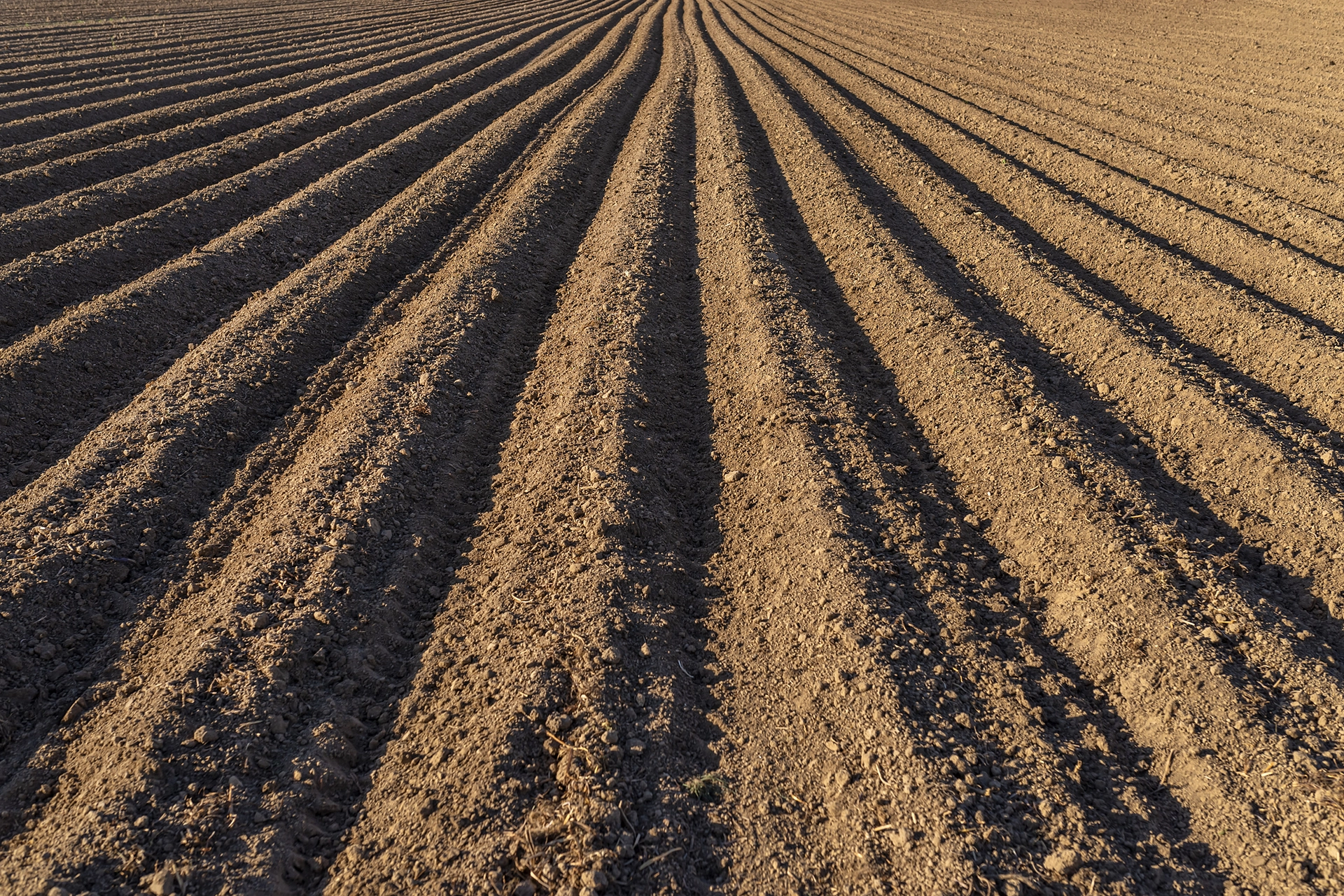
Improved Soil Health: Organic farming practices, such as crop rotation, composting, and the use of organic fertilizers, enhance soil fertility and structure. Healthy soil is more resilient to drought and erosion, supports biodiversity, and can sequester carbon, helping mitigate climate change.
Reduced Carbon Footprint: Organic cotton farming generally has a lower carbon footprint compared to conventional cotton farming. By avoiding synthetic chemicals and using natural farming methods, organic cotton production reduces greenhouse gas emissions, contributing to the fight against climate change.
Biodiversity Preservation: Organic cotton farming encourages biodiversity by avoiding the use of harmful pesticides that can kill beneficial insects and other wildlife. This creates a balanced ecosystem where plants, animals, and microorganisms thrive.
4. The Role of Organic Cotton in Sustainable Fashion
Organic cotton is playing a crucial role in the sustainable fashion movement. As consumers demand more transparency and sustainability from the fashion industry, brands are responding by incorporating organic cotton into their collections. From luxury fashion houses to everyday apparel brands, the use of organic cotton is becoming increasingly common, signaling a shift towards more responsible and eco-friendly fashion.
Brand Commitment to Sustainability: Brands that use organic cotton often emphasize their commitment to sustainability and ethical practices. This resonates with consumers who are looking for products that align with their values, driving brand loyalty and positive brand image.
Innovation and Design: Organic cotton is versatile and can be used in a wide range of products, from basic tees and jeans to high-fashion garments and accessories. Designers are exploring new ways to work with organic cotton, creating stylish and innovative products that meet the growing demand for sustainable fashion.
Consumer Awareness and Education: As the popularity of organic cotton grows, so does consumer awareness about the environmental and social impacts of conventional cotton farming. This increased awareness is leading to more informed purchasing decisions and a greater emphasis on sustainability in the fashion industry.


Related Post

Why Today’s Eco-Conscious Shoppers Are Choosing Safer, Greener Textiles
Layne | 08-18-2026 | Views 125 times
PFAS-Free & PFC-Free: Why Today’s Eco-Conscious Shoppers Are Choosing Safer, Greener Textiles 1.Introduction: The New Standard in Sustainability Sustainability isn’t just a trend anymore—it’s the new standard. Across the globe, consumers are rethinking ...
The Ultimate Base Layer Guide for Outdoor Performance
Layne | 08-12-2026 | Views 116 times
The Ultimate Base Layer Guide for Outdoor Performance 1.Introduction Choosing the right layers when on the slopes or taking part in any outdoor activity is crucial. A base layer is necessary for maintaining the right body temperature and will wick away moisture (often caused...
ePTFE vs. PU vs. TPU Membranes: A Technical Guide for Hardshell Fabrics
Layne | 08-09-2026 | Views 155 times
ePTFE vs. PU vs. TPU Membranes: A Technical Guide for Hardshell Fabrics 1.Introduction: The Critical Role of Membranes in Hardshell Performance 1.1 Defining the Hardshell Application Hardshell jackets represent the pinnacle of outdoor protective apparel, engineered to per...

Hiking 101: Essential Tips for a Safe and Memorable Trail Experience
Layne | 08-07-2026 | Views 142 times
Hiking 101: Essential Tips for a Safe and Memorable Trail Experience Hiking offers one of the most accessible and rewarding ways to connect with nature. Whether you are chasing panoramic summit views, seeking mental clarity, or simply craving an escape from daily routines, ...

Hard Shell vs Soft Shell Jacket: Answer These 7 Questions Before You Buy
Layne | 08-04-2026 | Views 279 times
Hard Shell vs. Soft Shell Jacket: Answer These 7 Questions Before You Buy The One-Sentence Rule You Can Use Right Now: If you’re going somewhere where more than 20 minutes of rain would ruin your day → get a hard shell. If you’re doing something that makes you...
Beyond the Surface: 5 Key Directions in High-Performance Outdoor Fabrics for 2026 and Beyond
Layne | 07-24-2026 | Views 490 times
5 Key Directions in High-Performance Outdoor Fabrics for 2026 and Beyond The outdoor apparel industry is in the midst of a material revolution. Today’s consumers demand more than just weather protection—they seek clothing that disappears on the body, int...
Send Your Inquiry
Get a quote within 24 hours