

Understanding Knitted Fabric
1. Introduction
Knitted fabric is a versatile and essential material in the textile industry, known for its unique properties and wide range of applications. Whether you're wearing a cozy sweater, a comfortable t-shirt, or high-performance activewear, chances are you're experiencing the benefits of knitted fabric. In this blog, we'll explore what makes knitted fabric special, its characteristics, and its diverse uses.
2. What is Knitted Fabric?
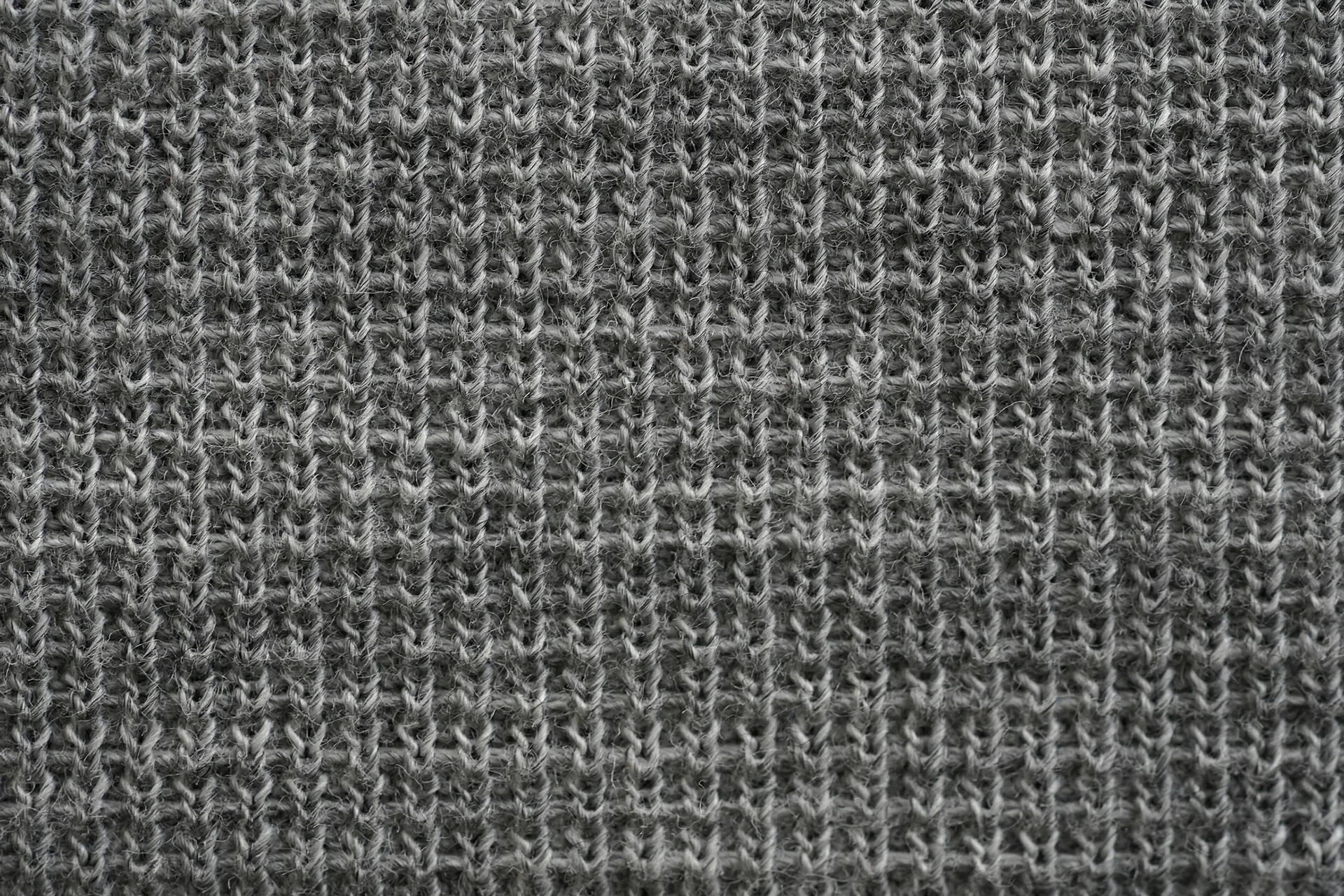
Knitted fabric is created through the process of knitting, where yarns are interlooped to form a flexible, stretchy material. Unlike woven fabric, which is made by interlacing two sets of yarns at right angles, knitted fabric is produced by continuously looping a single yarn or multiple yarns.
3. Characteristics of Knitted Fabric
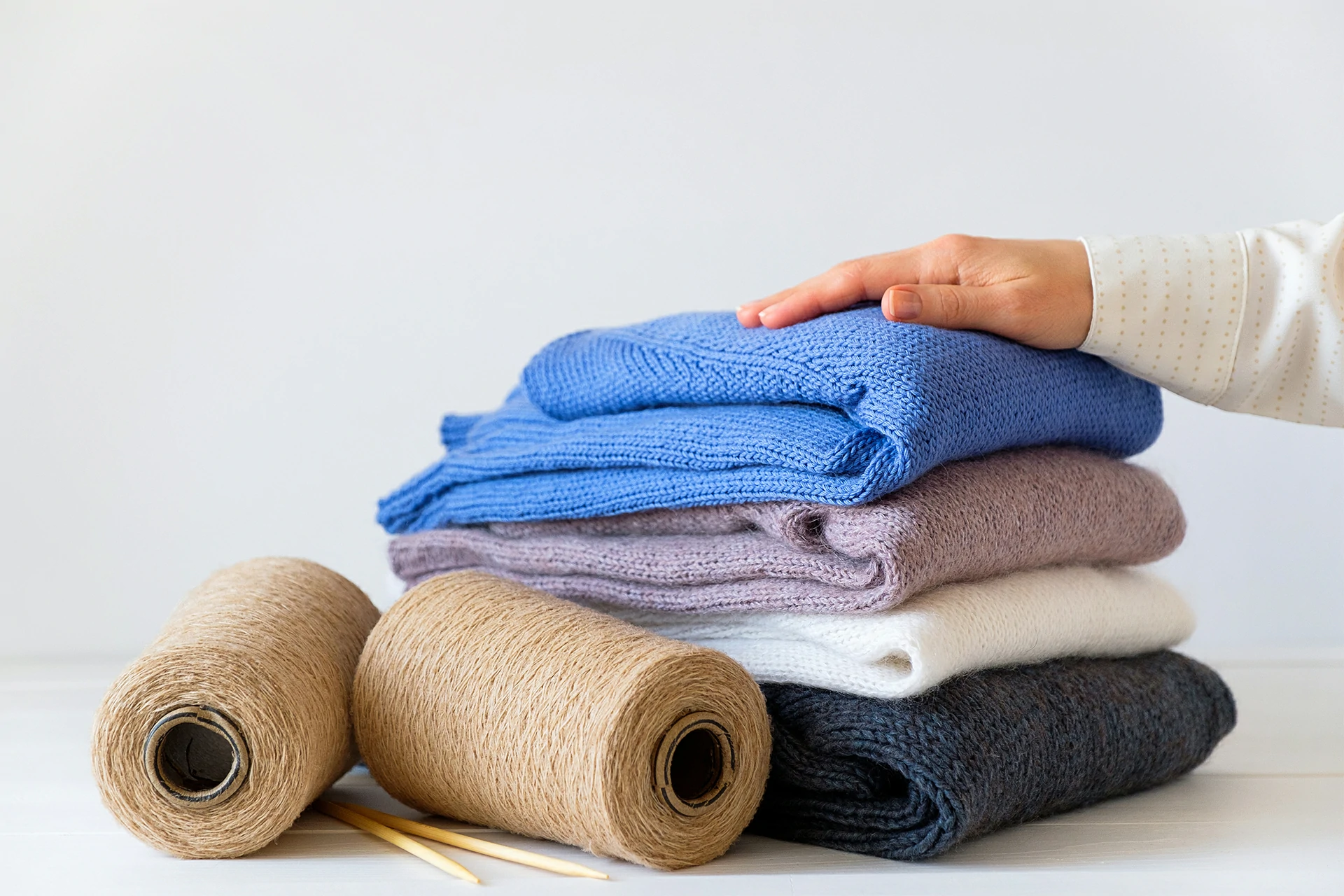
Elasticity: One of the standout features of knitted fabric is its elasticity. The interlooped structure allows the fabric to stretch and recover, providing a comfortable fit and freedom of movement. This makes it ideal for garments that need to accommodate various body shapes and sizes.
Softness: Knitted fabrics are generally softer than woven fabrics, offering a plush, comfortable feel against the skin. This softness is particularly appreciated in items like baby clothes, underwear, and loungewear.
Breathability: The open structure of knitted fabric allows air to circulate easily, enhancing breathability. This makes knitted fabric an excellent choice for warm-weather clothing and activewear, helping to keep the wearer cool and comfortable.
Insulation: Despite its breathability, knitted fabric can also provide good insulation. The loops in the fabric trap air, creating a layer of warmth, which is why knitted items like sweaters and scarves are popular in colder weather.
Versatility: Knitted fabric can be made from a variety of yarns, including cotton, wool, synthetic fibers, and blends. This versatility allows for a wide range of textures, weights, and finishes, catering to different needs and preferences.
4. Types of Knitted Fabrics
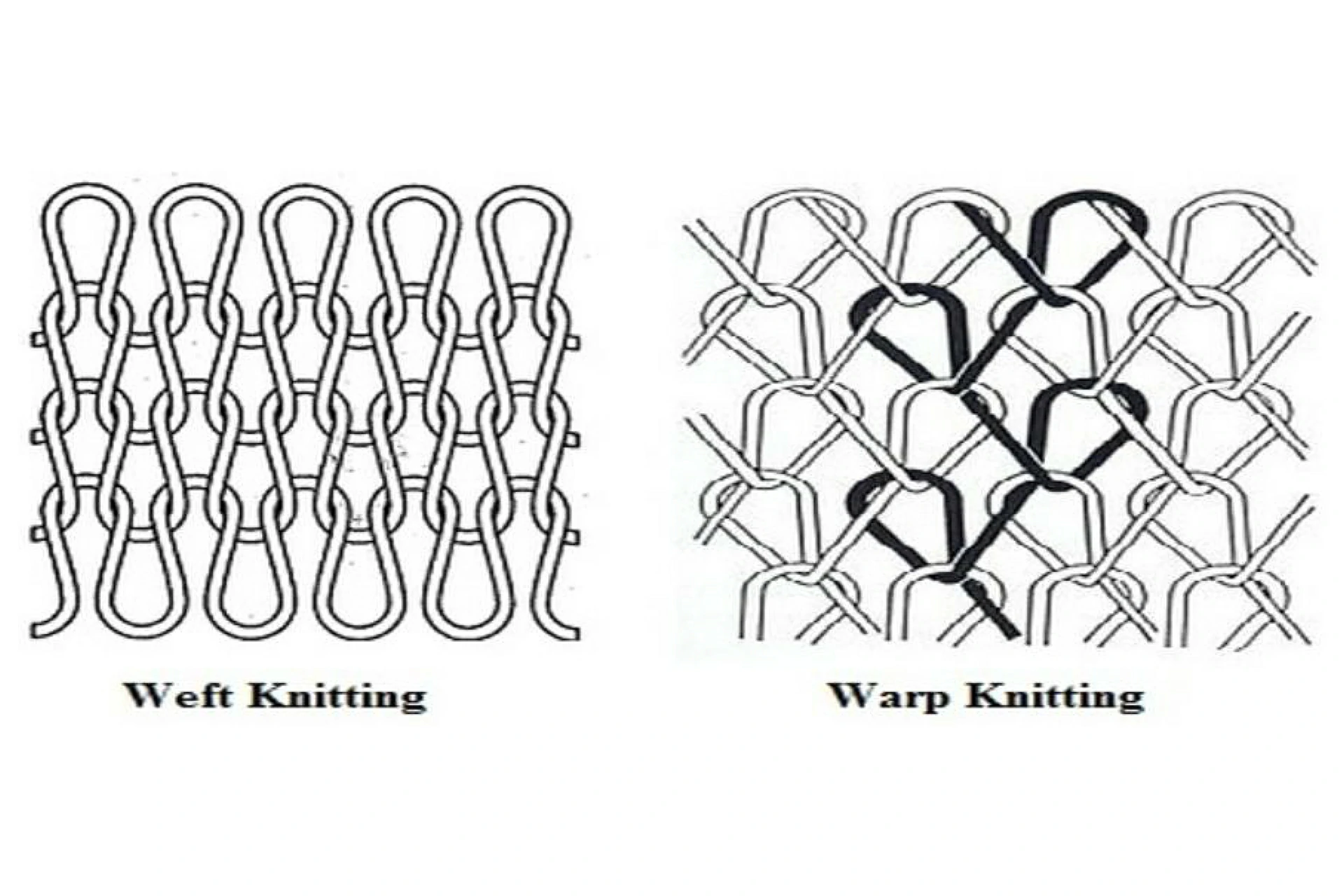
Weft Knitting: Weft knitting involves looping the yarn horizontally. Common weft-knitted fabrics include jersey, rib, and interlock. These fabrics are widely used in everyday apparel due to their flexibility and comfort.
Warp Knitting: Warp knitting involves looping the yarn vertically. This method produces fabrics like tricot, raschel, and Milanese. Warp-knitted fabrics are often used in more technical applications, including lingerie, sportswear, and industrial textiles.

5. Applications of Knitted Fabric
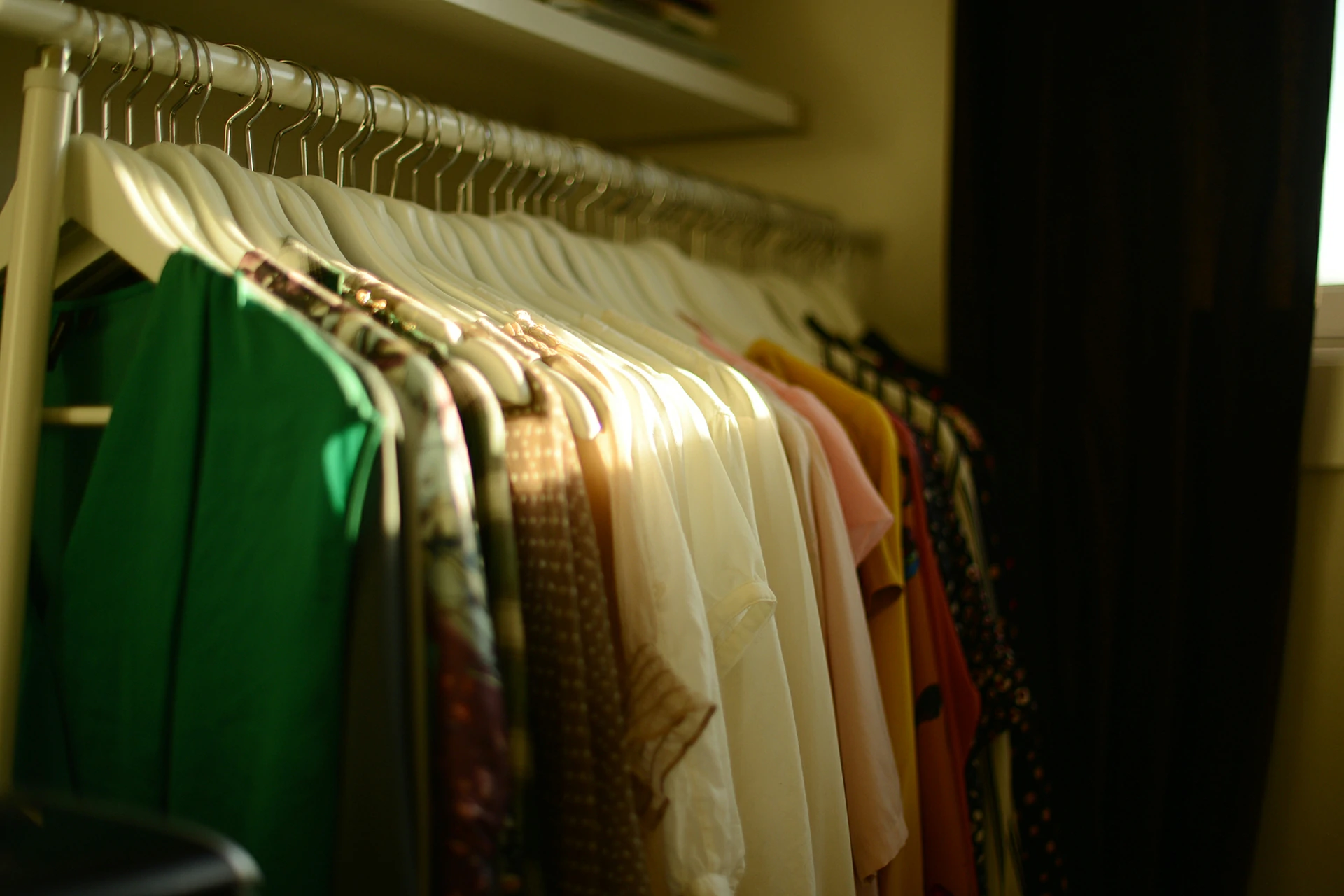
Apparel: Knitted fabric is a staple in the fashion industry, used for t-shirts, sweaters, dresses, leggings, socks, and more. Its stretch and comfort make it perfect for garments that need to move with the wearer.
Activewear: The flexibility, breathability, and moisture-wicking properties of knitted fabric make it ideal for sportswear and activewear. Items like yoga pants, running tops, and athletic shorts benefit from the performance qualities of knitted fabric.
Home Textiles: Beyond clothing, knitted fabric is also used in home textiles such as blankets, cushions, and upholstery. Its softness and warmth add a cozy touch to home décor.
Technical Textiles: Advanced knitting techniques are employed to produce technical textiles for medical applications, automotive interiors, and protective gear. Knitted fabrics in this category often require specific performance attributes, such as stretchability, durability, and breathability.


Related Post


How to Choose the Right Midlayer Fabric for Outdoor Apparel
Layne | 10-20-2026 | Views 80 times
How to Choose the Right Midlayer Fabric for Outdoor Apparel Choosing the right midlayer fabric is essential for developing functional outdoor apparel. A good midlayer should provide warmth without unnecessary bulk while maintaining breathability, moisture management, comf...

A Complete Analysis of Waterproof Fabrics
Layne | 09-24-2026 | Views 272 times
A Complete Analysis of Waterproof Fabrics: From Principles to Processes, Understand Waterproof Ratings in One Go Foreword: How can a piece of fabric be made “not a drop of water leak-proof”? Whether a jacket can truly keep out the rain depends not on how thick it...
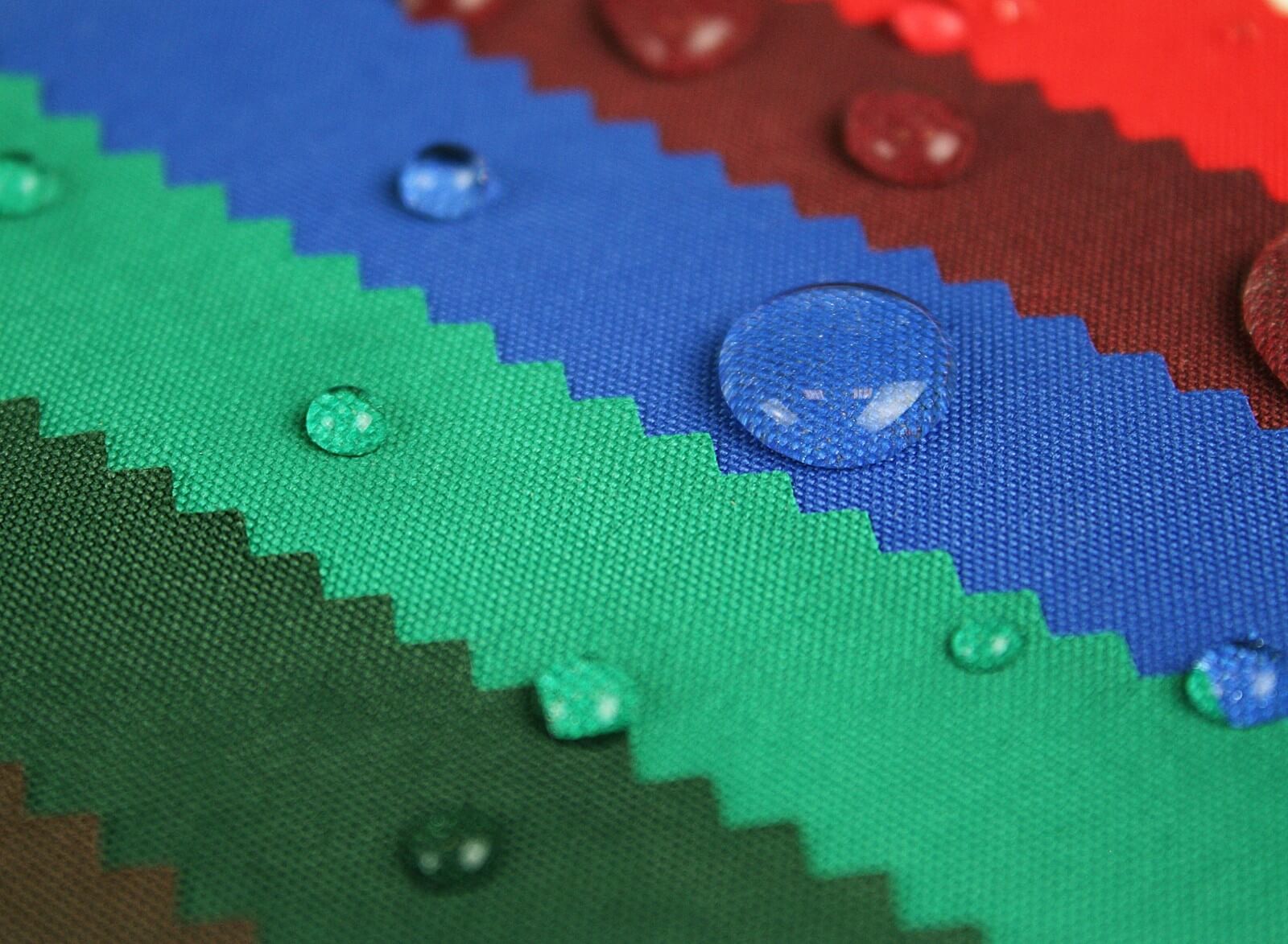
Waterproof vs. Water-repellent: Fabric differences that 90% of people get wrong
Layne | 09-22-2026 | Views 230 times
Waterproof vs. Water-repellent: Fabric differences that 90% of people get wrong About the author Youvion focuses on developing functional fabrics for outdoor apparel, covering solutions for inner, middle, and hardshell outer layers. Through years of collaboration with global...

Recycled Polyester (rPET): What It Is, How It’s Made, and Why It Matters for Outdoor Fabrics
Layne | 09-14-2026 | Views 423 times
Recycled Polyester (rPET): What It Is, How It’s Made, and Why It Matters for Outdoor Fabrics Recycled polyester (rPET) is widely used in modern textile production. It offers many of the performance characteristics of conventional polyester, including strength, abrasion re...

Superwash Wool vs Natural Wool
Layne | 09-11-2026 | Views 381 times
Superwash Wool vs Natural Wool 1.What’s “Superwash” Merino wool is a high-performance fiber bestowed by nature—it’s breathable, temperature regulating, naturally odor-resistant, and can absorb up to 35% of its own weight in moisture without feeling damp. However, for d...

Sorona® Fabric: A Sustainable Bio-Based Textile Material Combining Performance, Comfort, and Innovation
Layne | 09-10-2026 | Views 487 times
Sorona® Fabric: A Sustainable Bio-Based Textile Material Combining Performance, Comfort, and Innovation 1.What Is Sorona® Fabric? Sorona® is a bio-based functional textile material developed from advanced polymer technology. It is a PTT (polytrimethylene terephthalate) fiber...
Send Your Inquiry
Get a quote within 24 hours