

What Are Polyester and Nylon Fabrics and Their Differences ?
1. Introduction
Polyester and nylon have a lot in common. They are both lightweight man-made fibers and are very popular for sportswear. Because they are more durable than natural fibers, they are also more likely to be enhanced by adding functional additives.
2. Where Do Polyester Fiber and Nylon Fiber Come From?
Nylon (also known as Polyamide in Europe) was invented in 1935 and became famous after being made into stockings. Polyester also became more and more widely used in the 1940s. Both nylon and polyester are plastic compounds extracted from petroleum. At first, they were used to create stronger, lighter and more durable materials, and later gradually replaced natural fiber fabrics. But how are polyester and nylon fibers made? The manufacturing process of the two fibers is very similar.
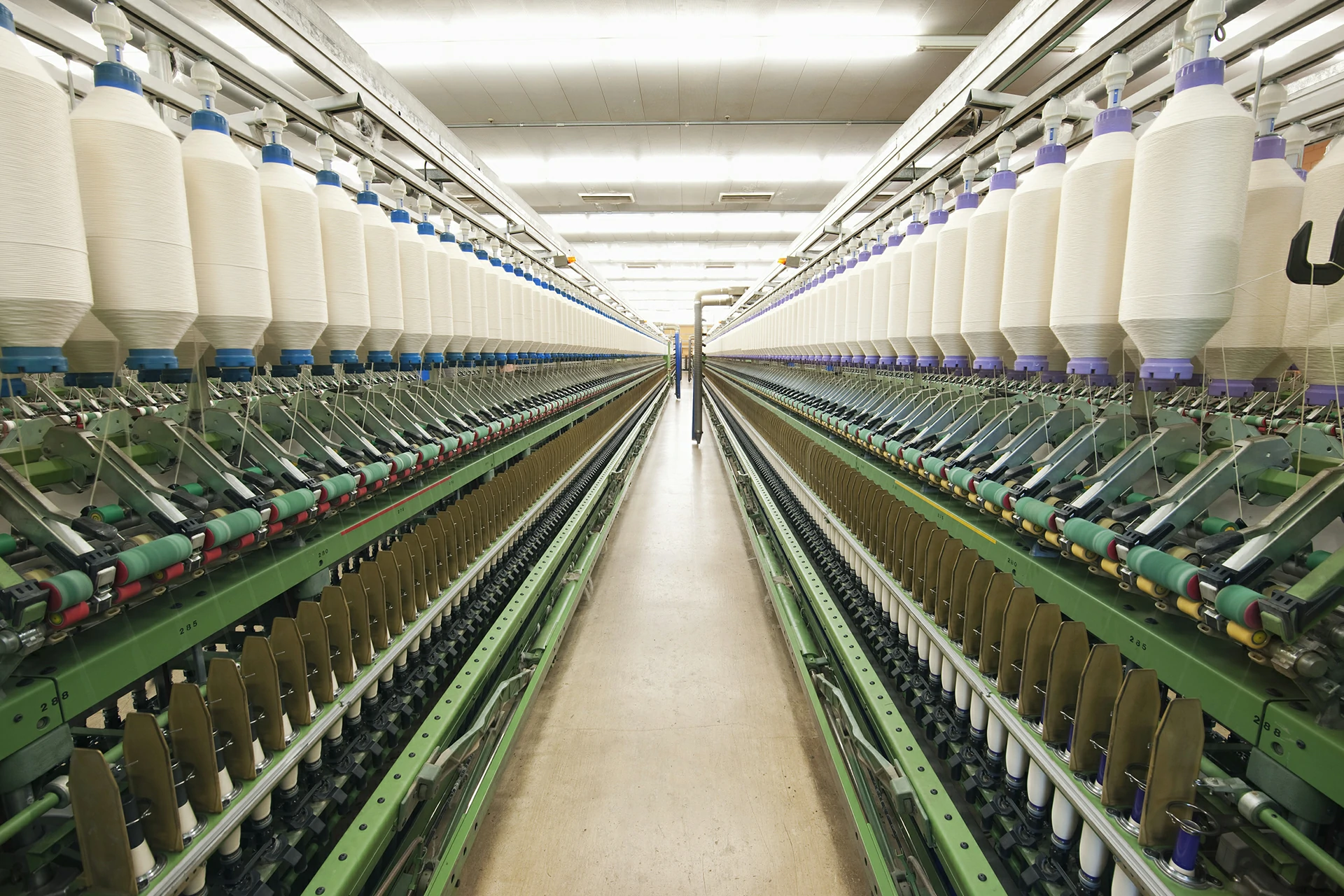
The manufacturer melts the plastic pellets (about the size of rice grains), passes them through a special solvent, and then shoots out yarn through a nozzle. The yarn will be made into different thicknesses or specifications according to different uses.
3. What Is the Difference Between Polyester and Nylon?
Feel and Performance: Nylon was invented to develop an alternative to silk, so it also has soft and smooth properties. Nylon is also shinier and more elastic than polyester. In comparison, polyester is thicker and less shiny. But as technology has improved, the feel of polyester has become better and better. Now, you can find polyester that feels like cotton, or polyester that feels similar to nylon.
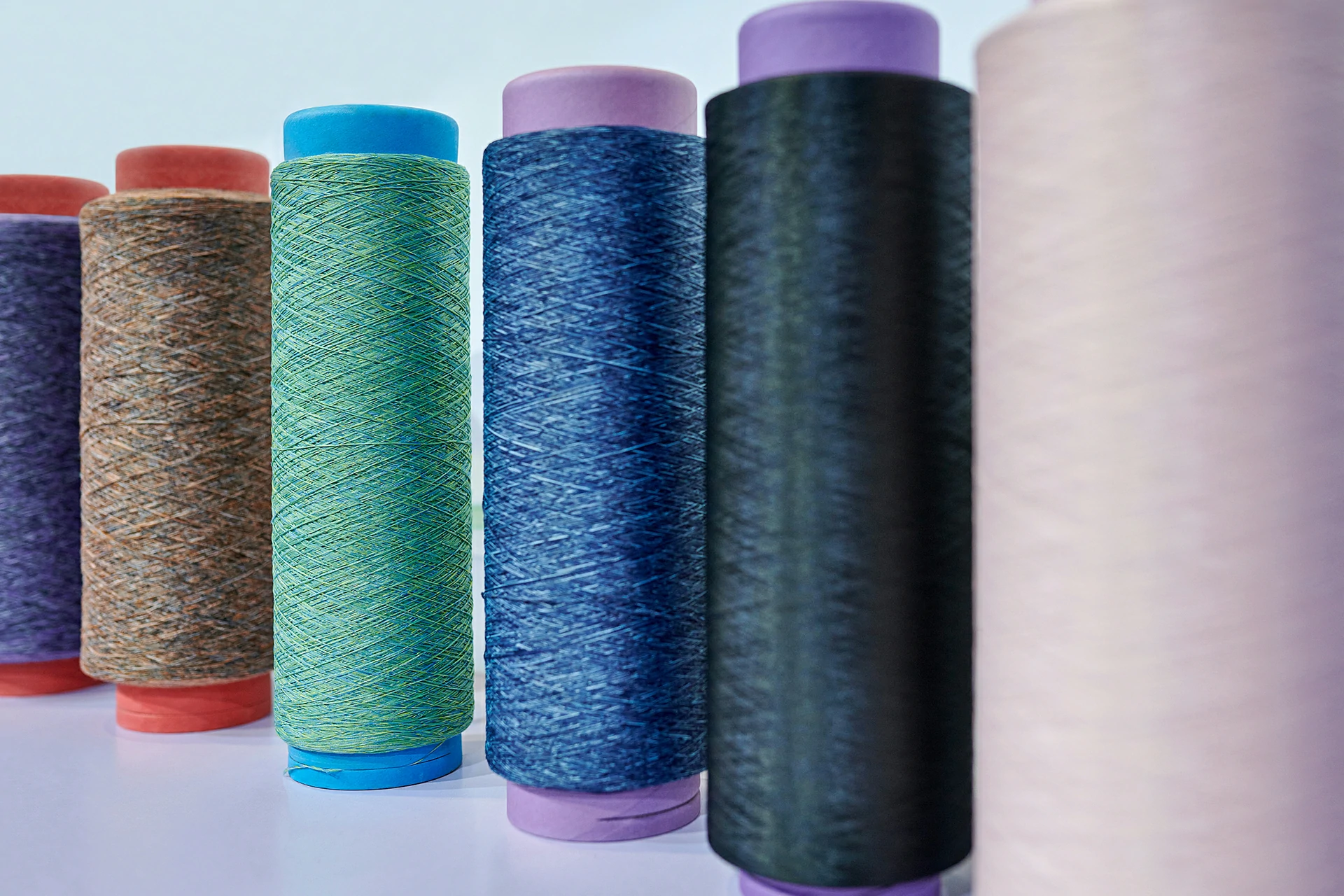
Dyeing: Polyester fibers are dyed with disperse dyes, while nylon fibers are dyed with acid dyes. There is another modified material of polyester fibers, called cationic-dyeable polyester (or CD Polyester for short). This fiber uses salt-based dyes and has a higher color brightness.
Nylon is dyed with acid dyes. It is a more difficult material in the industry because the terminal amino acids of nylon are unevenly distributed, resulting in different absorption of acid dyes. Because nylon is more sensitive, it may cause horizontal stripes during the fiber processing and weaving process. Therefore, the spinning, weaving and dyeing of nylon are very demanding on the manufacturer's technology.
Since nylon and polyester fibers need to be colored with different dyes, many yarn mills use this property to twist the two types of yarn together to create a double-color or twist effect after dyeing. If acid dyes are used, nylon fibers will absorb the dye, but polyester fibers will not, thus creating a twist effect. Or if disperse dyes are used, nylon will still be colored, but not as much as polyester fibers, and the twist effect is less obvious. Or double dyeing can be used to create a double-color effect.
Durability: Both nylon and polyester are considered strong and durable fibers. However, if you compare the two, nylon is stronger and more ductile than polyester, which means that products made of nylon are more durable than polyester! Nevertheless, when nylon is rubbed, it is more likely to pilling than polyester. Although this does not reduce its strength, it will make the appearance have traces of use.
Reaction to Water: Nylon has a high water content, and when it comes into contact with water, it can stretch 3.5% more. So when we sweat or exercise in the rain while wearing nylon clothes, nylon will take a longer time to dry. In contrast, polyester fibers do not absorb water and are hydrophobic. So if the fabric has the effect of wicking moisture, sweat will be absorbed into the fiber and evaporate more quickly. Therefore, polyester fibers are very suitable for sportswear fabrics for high-intensity sports.
Reaction to Heat: Next, how do nylon and polyester react to heat? Polyester is the more heat-resistant option, as it requires high temperatures to absorb dye. Therefore, polyester fabrics are also popular choices for sublimation transfer and digital printing. Nylon, on the other hand, cannot withstand high temperatures, so it cannot be used for heat transfer and digital printing, which require high-temperature printing.
Cleaning and Maintenance: Both fabrics are easy to clean. They will not wrinkle, become long or short. However, please do not dry clean nylon or polyester fabrics, or iron or tumble dry them at high temperatures. If it is nylon or polyester sportswear, which has the effect of wicking sweat, you should avoid adding fabric softener to the washing.
4. Which Fiber Is Better?
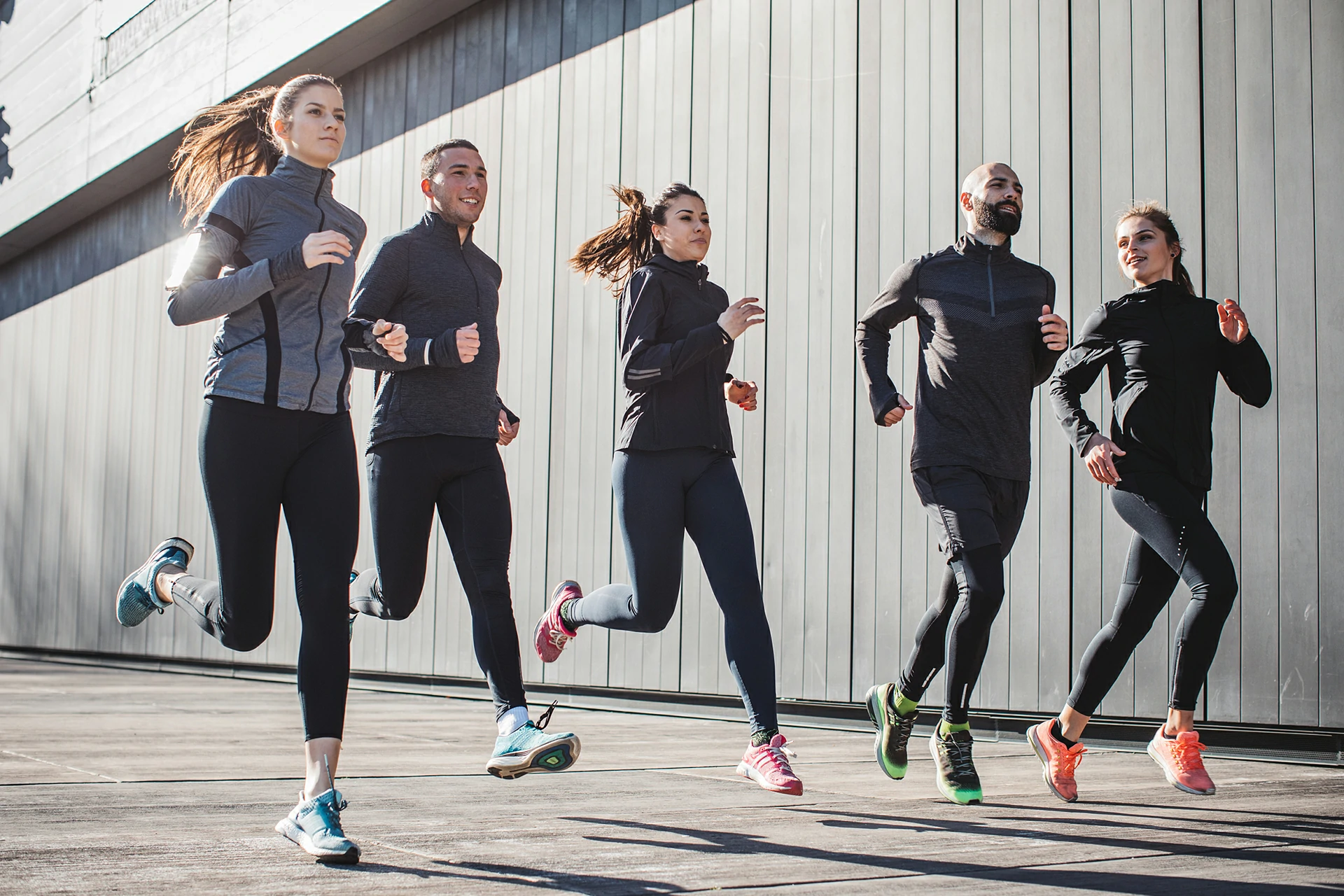
Nylon and polyester both have their own characteristics. Which material is more suitable for your product should depend on the design and application of the product itself. The soft feel of nylon is difficult to replace, which is why many yoga or underwear brands prefer to use nylon fabrics. But although nylon is softer and tougher, polyester fiber dries faster, is easier to color, and has better color fastness. Because of this, polyester fiber is more likely to be used in some high-strength sportswear, such as: running, basketball, football, rugby, etc.
Although they each have their own characteristics, as technology becomes more and more advanced, the shortcomings of the two materials are gradually being improved. For example, polyester fibers are becoming softer and softer, and nylon can also absorb moisture and perspiration quickly by adding moisture-absorbing and perspiration-wicking agents.


Related Post


Windbreaker vs. Rain Jacket: A Complete Guide to Making the Right Choice
Layne | 08-25-2026 | Views 22 times
Windbreaker vs. Rain Jacket: A Complete Guide to Making the Right Choice 1.Introduction Choosing the right jacket for outdoor activities can be a challenge. Two of the most common options—the windbreaker and the rain jacket—often appear similar at first glance but serve fund...
Why Today’s Eco-Conscious Shoppers Are Choosing Safer, Greener Textiles
Layne | 08-18-2026 | Views 137 times
PFAS-Free & PFC-Free: Why Today’s Eco-Conscious Shoppers Are Choosing Safer, Greener Textiles 1.Introduction: The New Standard in Sustainability Sustainability isn’t just a trend anymore—it’s the new standard. Across the globe, consumers are rethinking ...
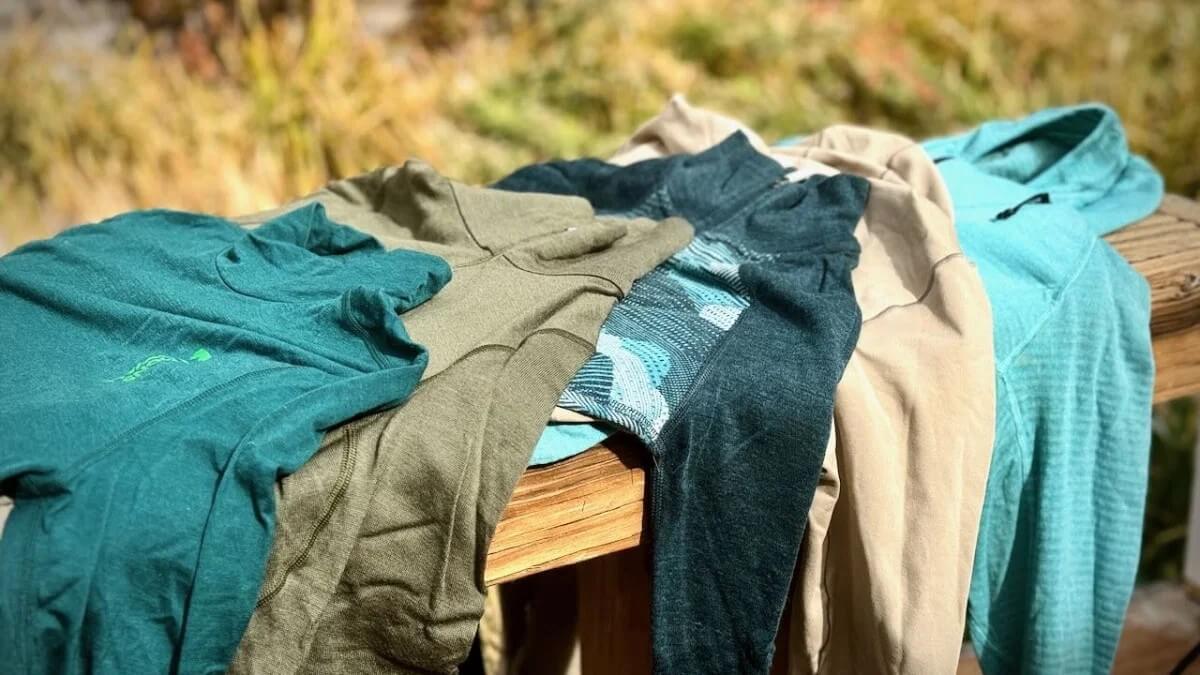
The Ultimate Base Layer Guide for Outdoor Performance
Layne | 08-12-2026 | Views 126 times
The Ultimate Base Layer Guide for Outdoor Performance 1.Introduction Choosing the right layers when on the slopes or taking part in any outdoor activity is crucial. A base layer is necessary for maintaining the right body temperature and will wick away moisture (often caused...
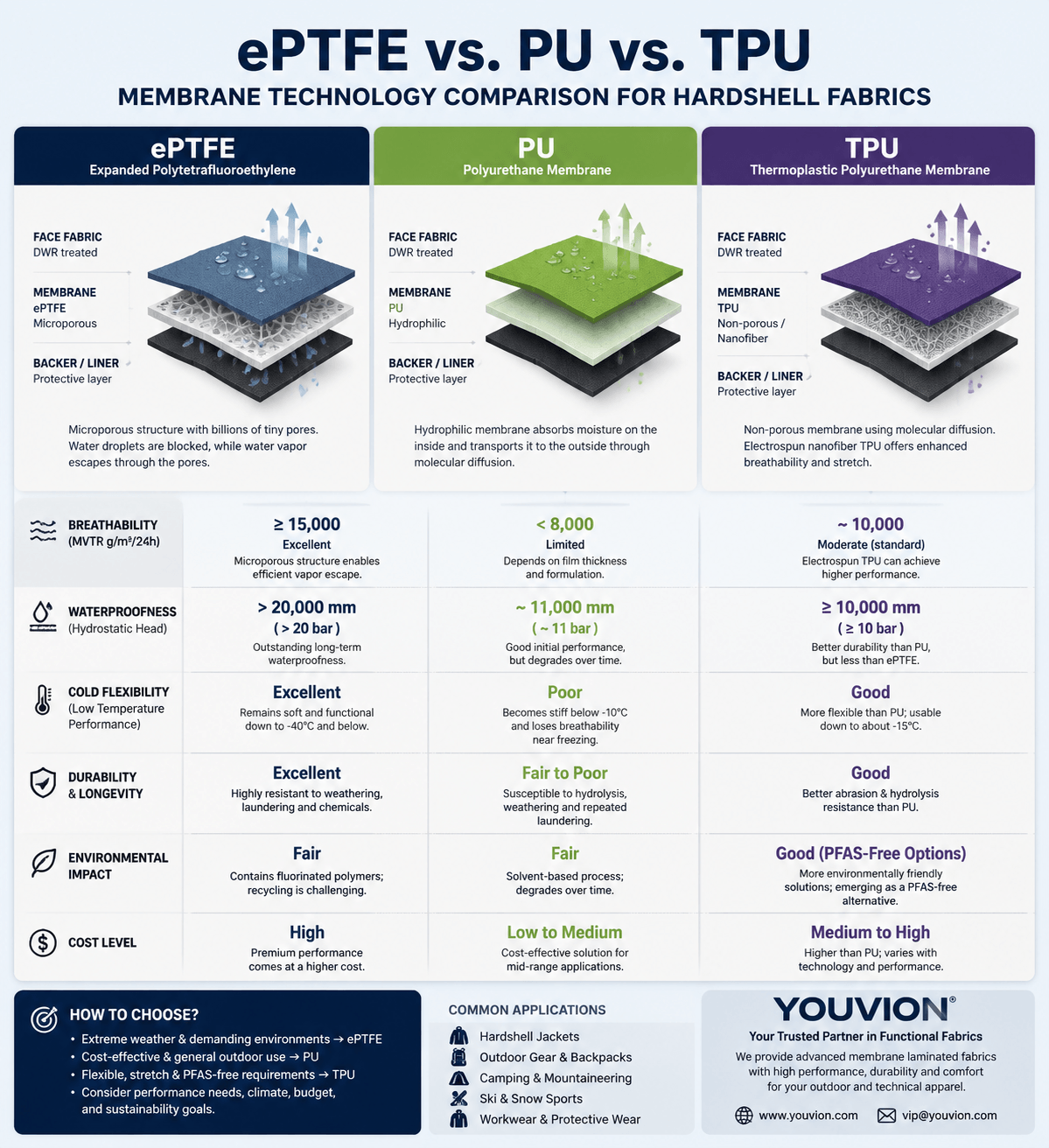
ePTFE vs. PU vs. TPU Membranes: A Technical Guide for Hardshell Fabrics
Layne | 08-09-2026 | Views 166 times
ePTFE vs. PU vs. TPU Membranes: A Technical Guide for Hardshell Fabrics 1.Introduction: The Critical Role of Membranes in Hardshell Performance 1.1 Defining the Hardshell Application Hardshell jackets represent the pinnacle of outdoor protective apparel, engineered to per...

Hiking 101: Essential Tips for a Safe and Memorable Trail Experience
Layne | 08-07-2026 | Views 152 times
Hiking 101: Essential Tips for a Safe and Memorable Trail Experience Hiking offers one of the most accessible and rewarding ways to connect with nature. Whether you are chasing panoramic summit views, seeking mental clarity, or simply craving an escape from daily routines, ...

Hard Shell vs Soft Shell Jacket: Answer These 7 Questions Before You Buy
Layne | 08-04-2026 | Views 290 times
Hard Shell vs. Soft Shell Jacket: Answer These 7 Questions Before You Buy The One-Sentence Rule You Can Use Right Now: If you’re going somewhere where more than 20 minutes of rain would ruin your day → get a hard shell. If you’re doing something that makes you...
Send Your Inquiry
Get a quote within 24 hours