

What Is Biodegradable Fabric
1. Background
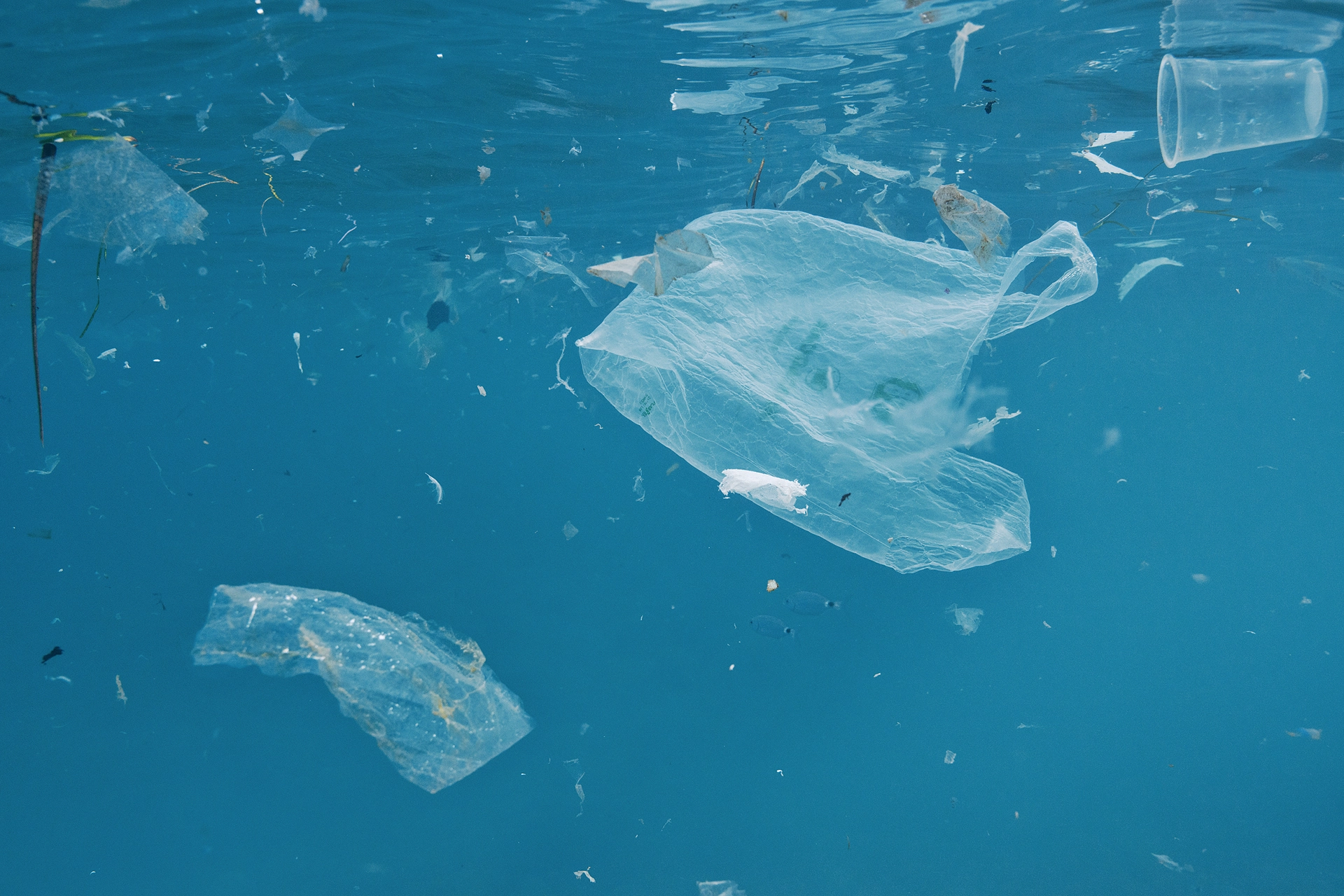
As the world becomes more environmentally conscious, the demand for sustainable and eco-friendly materials is on the rise. Among the many innovations in this space, biodegradable fabrics stand out as a crucial development in the textile industry. But what exactly is biodegradable fabric, and why is it so important for the future of fashion and textiles? This blog explores the concept of biodegradable fabrics, their benefits, and their role in promoting a more sustainable future.
2. Defining Biodegradable Fabric
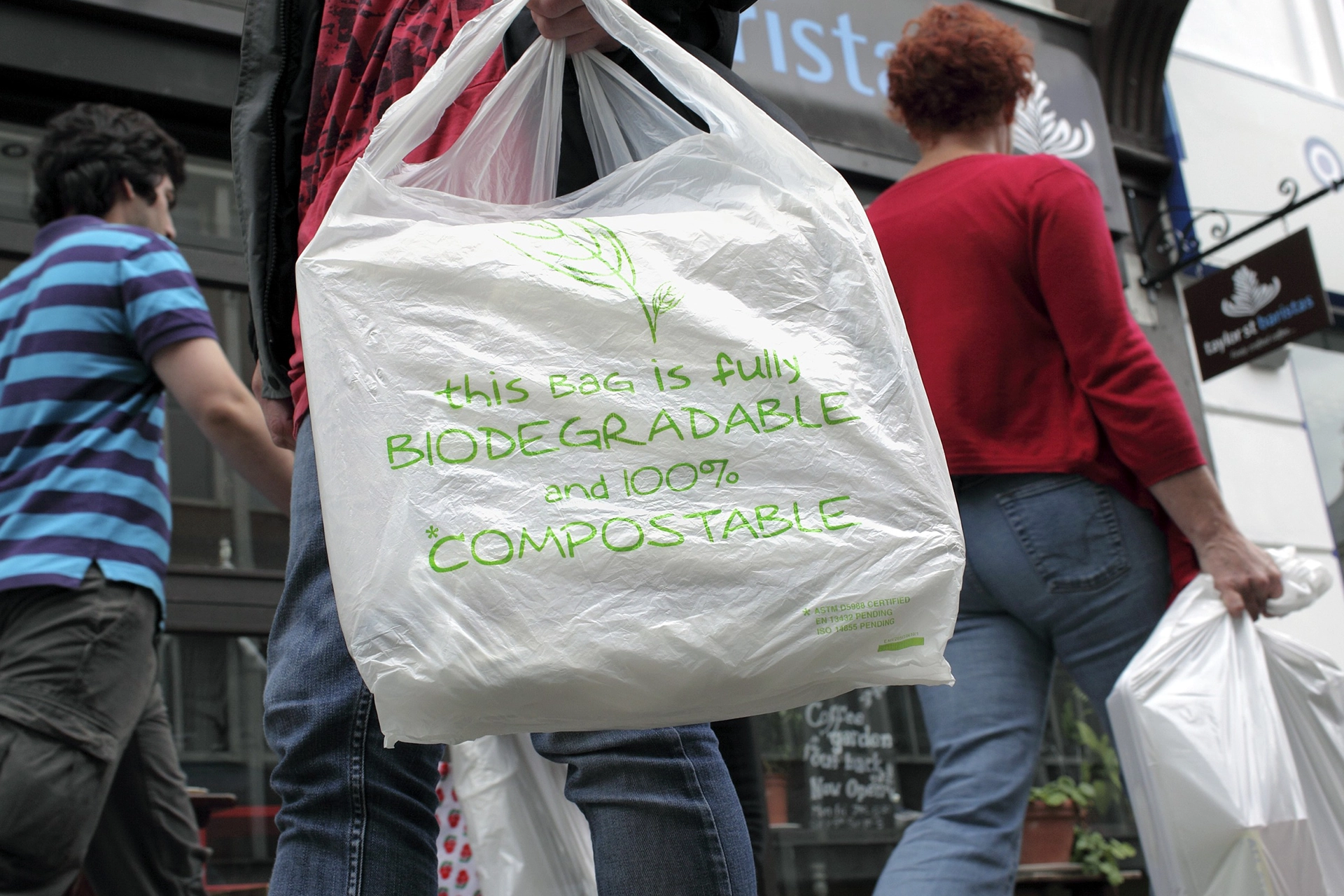
Biodegradable fabrics are textiles that can naturally break down and decompose into non-toxic substances when exposed to the right environmental conditions. Unlike synthetic fabrics, which can take hundreds of years to decompose, biodegradable fabrics break down relatively quickly, returning to the earth without leaving harmful residues. This process typically involves the action of microorganisms like bacteria and fungi, which consume the fabric and convert it into water, carbon dioxide, and biomass.
3. Types of Biodegradable Fabrics
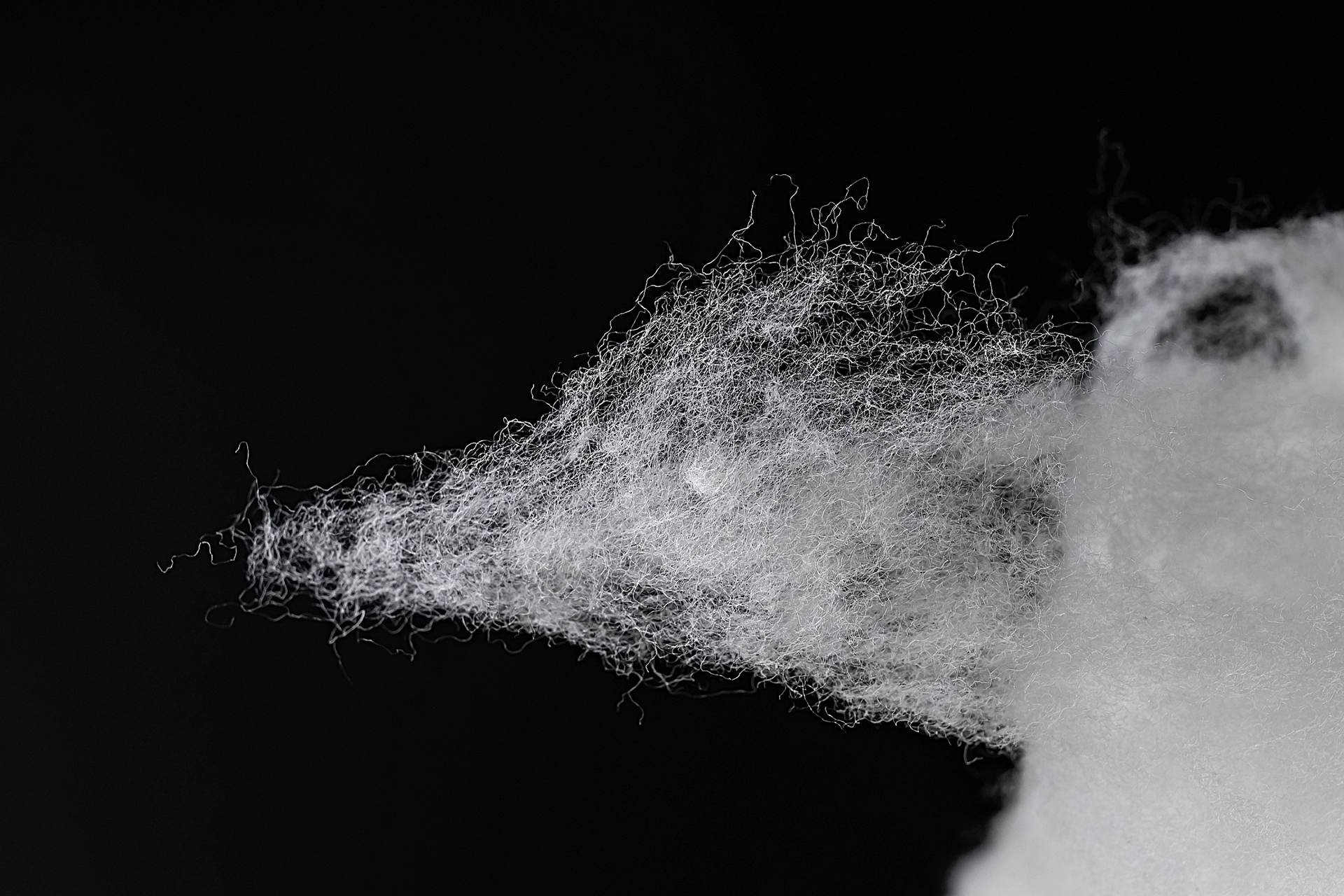
Natural Fibers: The most common types of biodegradable fabrics are made from natural fibers. These include:
· Cotton: Organic cotton, in particular, is biodegradable and decomposes easily when untreated with harmful chemicals.
· Linen: Made from the flax plant, linen is known for its durability and biodegradability.
· Hemp: Hemp fibers are strong, durable, and fully biodegradable, making them an excellent choice for eco-friendly textiles.
· Wool: Wool is a natural protein fiber that biodegrades easily under the right conditions.
· Silk: Derived from silkworms, silk is a luxurious, biodegradable fabric that breaks down naturally.
Regenerated Cellulose Fibers: These are fibers made from natural sources, but they undergo some processing to become usable fabrics. Examples include:
· Lyocell (TENCEL™): Made from sustainably sourced wood pulp, Lyocell is a biodegradable fabric known for its softness and breathability.
· Bamboo: Bamboo fabric is made from the pulp of bamboo plants and is known for its biodegradability, though the level of processing can impact its eco-friendliness.
· Viscose/Rayon: While viscose is derived from natural sources like wood pulp, its biodegradability can vary depending on the chemicals used in its production.
Innovative Biodegradable Fabrics: Advances in technology have led to the development of new biodegradable materials, such as:
· Bioplastics: These are made from natural sources like cornstarch or sugarcane and are designed to be biodegradable.
· Mycelium Leather: Made from the root structure of mushrooms, mycelium leather is a sustainable alternative to traditional leather and is fully biodegradable.
4. The Environmental Benefits of Biodegradable Fabrics
Biodegradable fabrics represent a promising step towards a more sustainable and responsible textile industry. By choosing materials that can naturally return to the earth, we can reduce waste, lower our carbon footprint, and create products that are kinder to the environment. As technology and consumer awareness continue to evolve, biodegradable fabrics will play an essential role in shaping the future of fashion, offering a viable solution to some of the industry’s most pressing environmental challenges.
In the journey towards a more sustainable world, every choice matters. By embracing biodegradable fabrics, we can help ensure that our clothing leaves a lighter footprint on the planet.


Related Post


Windbreaker vs. Rain Jacket: A Complete Guide to Making the Right Choice
Layne | 08-25-2026 | Views 20 times
Windbreaker vs. Rain Jacket: A Complete Guide to Making the Right Choice 1.Introduction Choosing the right jacket for outdoor activities can be a challenge. Two of the most common options—the windbreaker and the rain jacket—often appear similar at first glance but serve fund...
Why Today’s Eco-Conscious Shoppers Are Choosing Safer, Greener Textiles
Layne | 08-18-2026 | Views 137 times
PFAS-Free & PFC-Free: Why Today’s Eco-Conscious Shoppers Are Choosing Safer, Greener Textiles 1.Introduction: The New Standard in Sustainability Sustainability isn’t just a trend anymore—it’s the new standard. Across the globe, consumers are rethinking ...
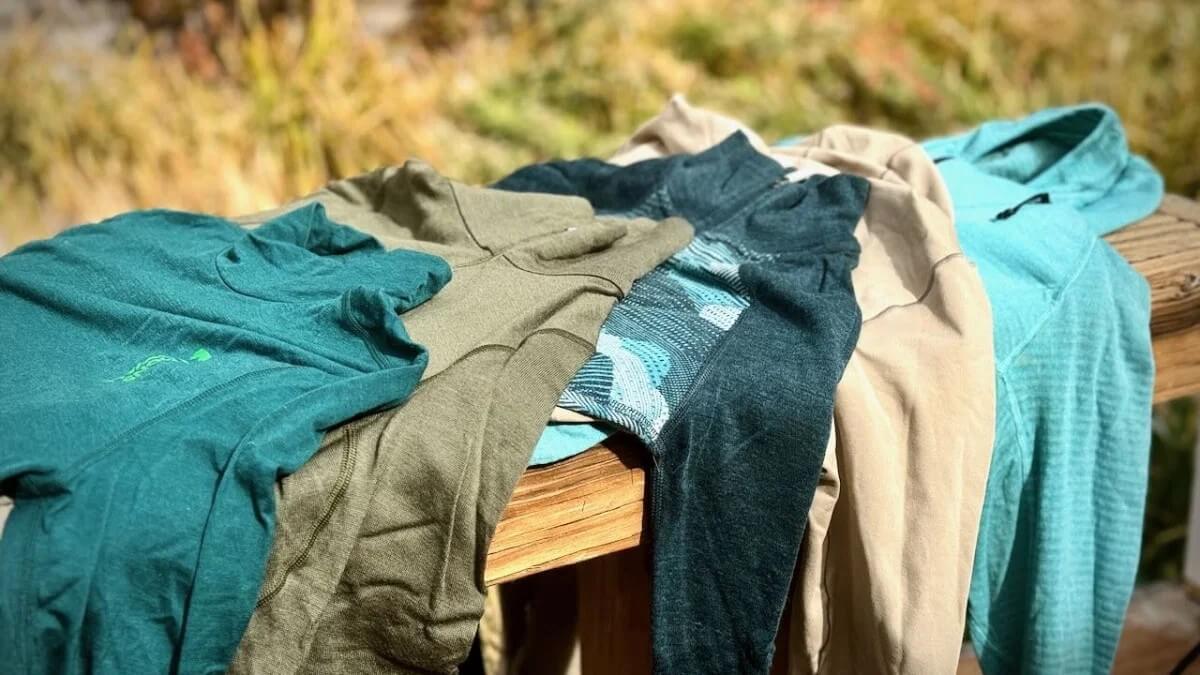
The Ultimate Base Layer Guide for Outdoor Performance
Layne | 08-12-2026 | Views 125 times
The Ultimate Base Layer Guide for Outdoor Performance 1.Introduction Choosing the right layers when on the slopes or taking part in any outdoor activity is crucial. A base layer is necessary for maintaining the right body temperature and will wick away moisture (often caused...
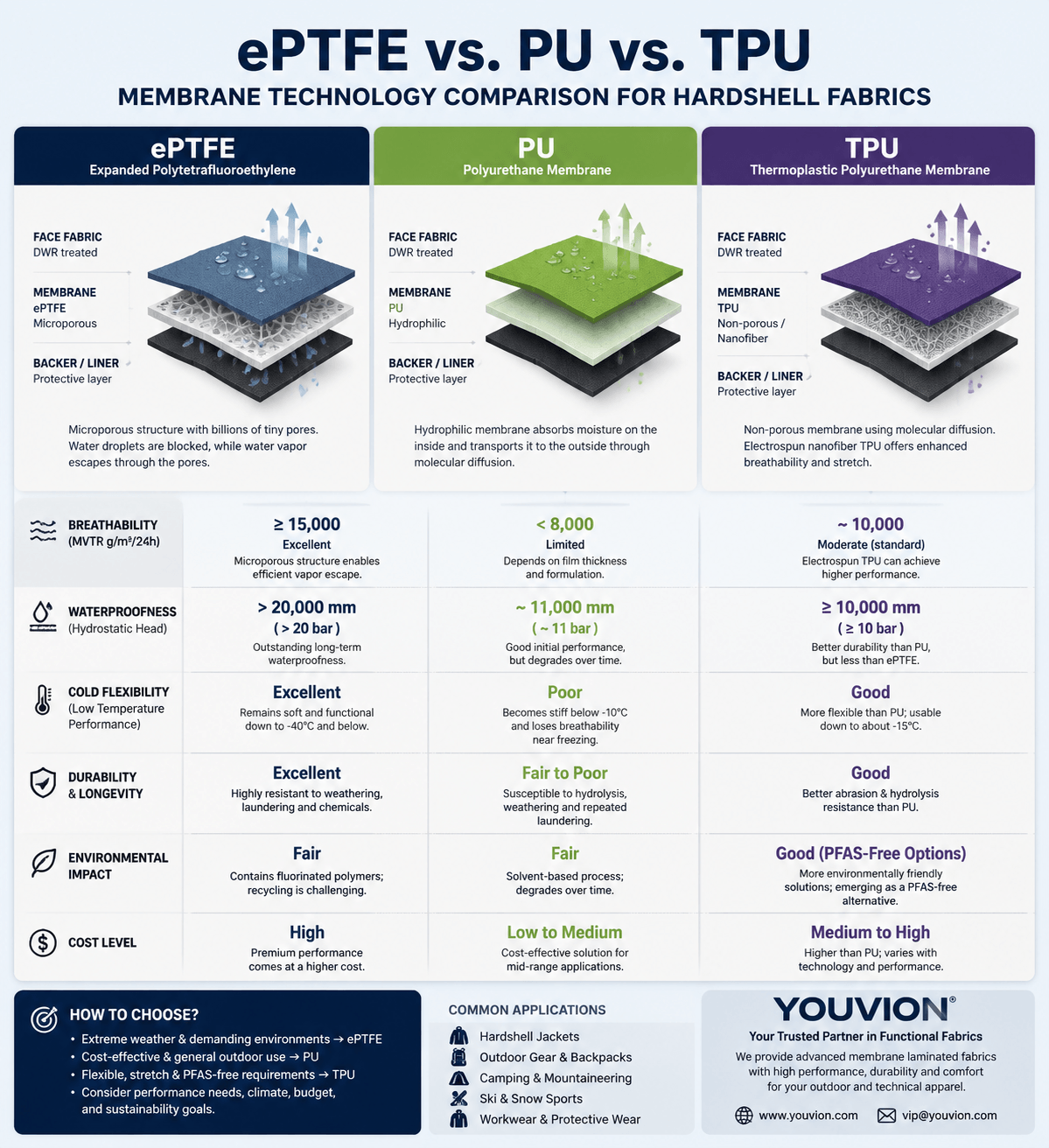
ePTFE vs. PU vs. TPU Membranes: A Technical Guide for Hardshell Fabrics
Layne | 08-09-2026 | Views 166 times
ePTFE vs. PU vs. TPU Membranes: A Technical Guide for Hardshell Fabrics 1.Introduction: The Critical Role of Membranes in Hardshell Performance 1.1 Defining the Hardshell Application Hardshell jackets represent the pinnacle of outdoor protective apparel, engineered to per...
Hiking 101: Essential Tips for a Safe and Memorable Trail Experience
Layne | 08-07-2026 | Views 151 times
Hiking 101: Essential Tips for a Safe and Memorable Trail Experience Hiking offers one of the most accessible and rewarding ways to connect with nature. Whether you are chasing panoramic summit views, seeking mental clarity, or simply craving an escape from daily routines, ...

Hard Shell vs Soft Shell Jacket: Answer These 7 Questions Before You Buy
Layne | 08-04-2026 | Views 287 times
Hard Shell vs. Soft Shell Jacket: Answer These 7 Questions Before You Buy The One-Sentence Rule You Can Use Right Now: If you’re going somewhere where more than 20 minutes of rain would ruin your day → get a hard shell. If you’re doing something that makes you...
Send Your Inquiry
Get a quote within 24 hours