

Eco-Recyclable Fabric
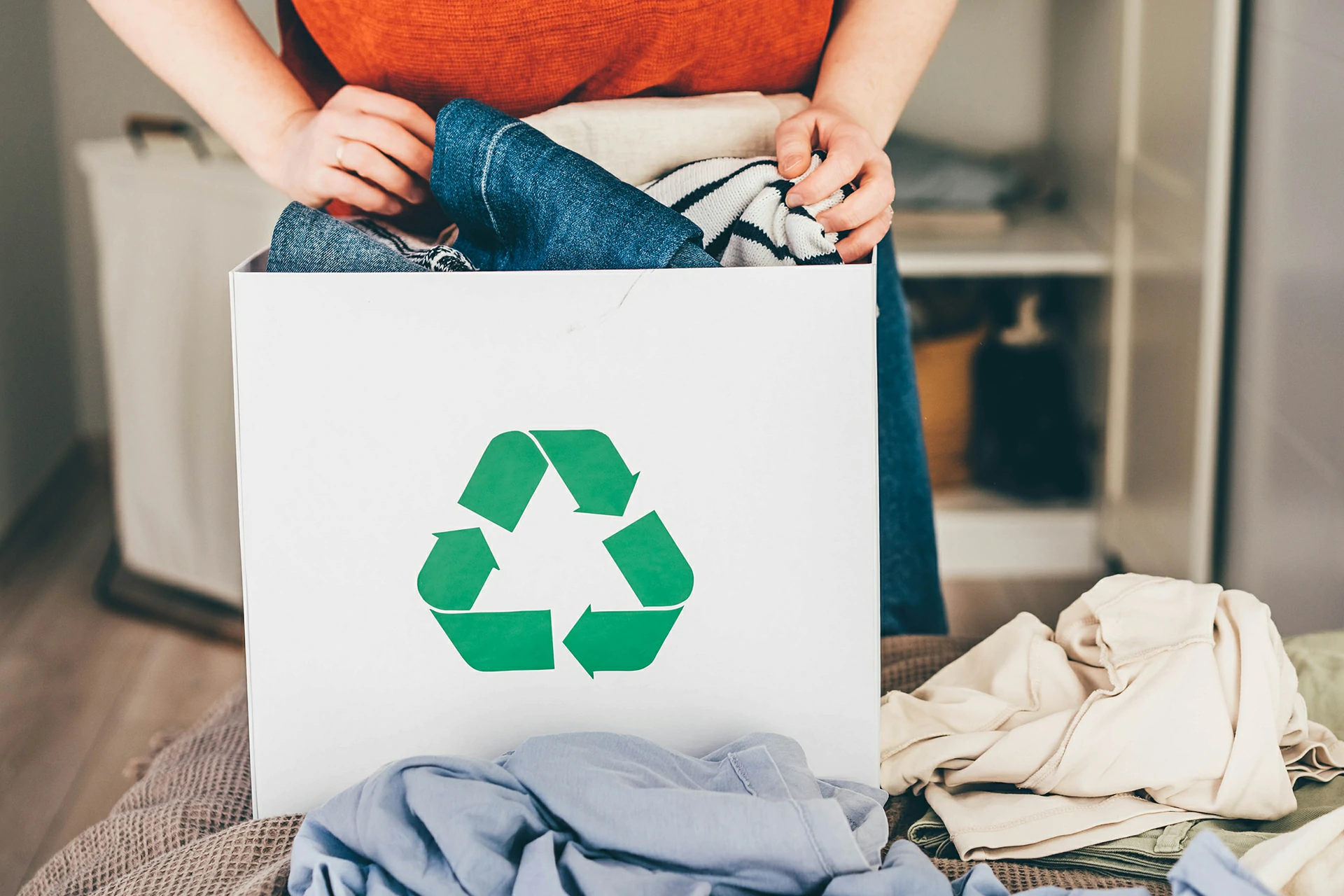
1. What is Eco-Recyclable Fabric?
Recyclable fabric refers to textiles that can be processed and reused to create new products or materials after their original use has ended. These fabrics are designed to be part of a closed-loop recycling system, where they can be collected, sorted, and transformed into new fibers or materials without significant loss of quality. Recyclable fabrics are part of sustainable fashion initiatives aimed at reducing waste and minimizing the environmental impact of textile production. By choosing recyclable fabrics and supporting recycling programs, consumers and businesses contribute to a more circular economy in the textile industry.
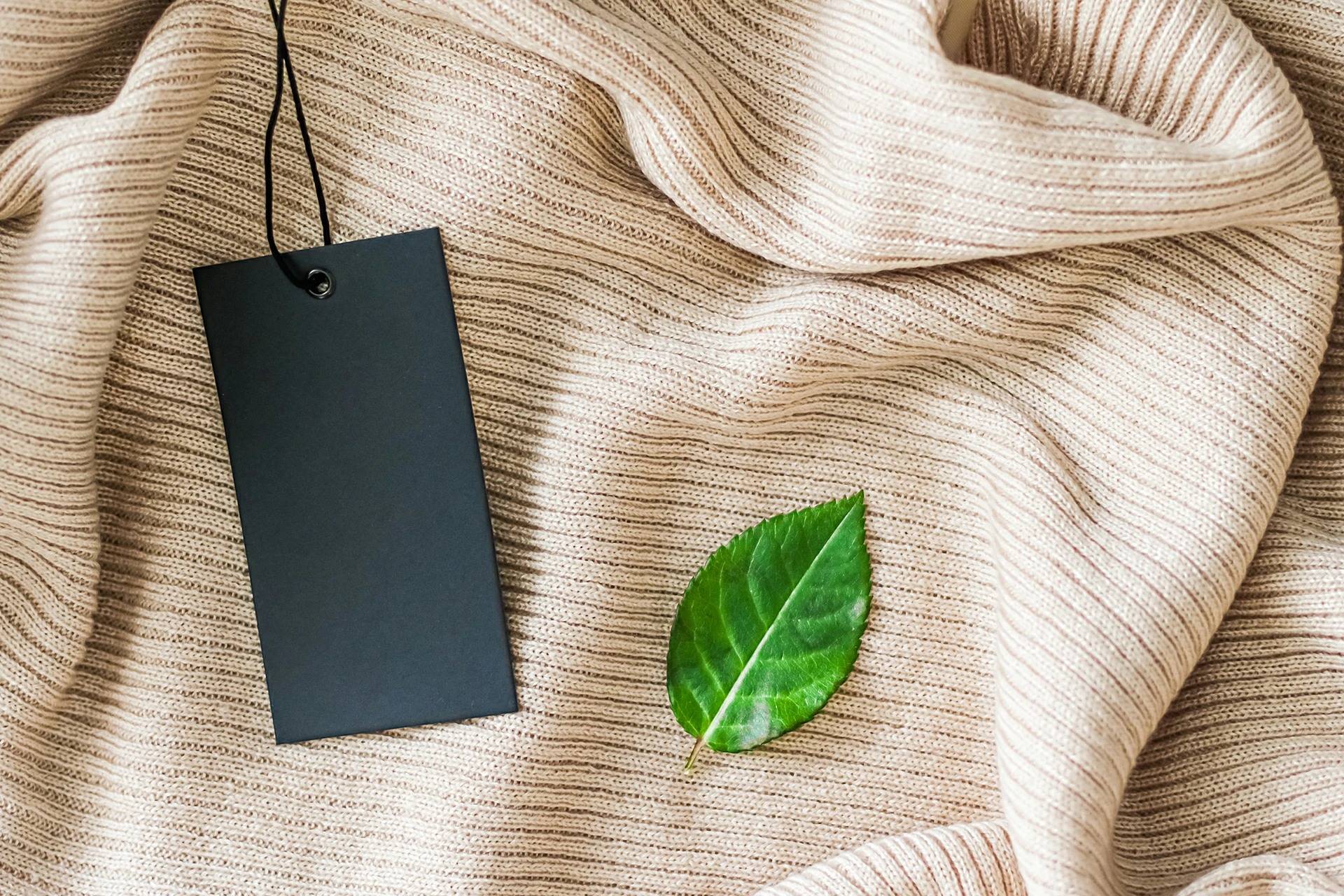
2. Different Types of Recyclable Fabrics
Natural Fibers: Fabrics made from natural materials such as cotton, wool, silk, and linen can be recyclable. These fibers can be mechanically recycled (where they are shredded and respun into new yarn) or chemically recycled (where the fibers are broken down into their chemical components and then reprocessed into new fibers).
Synthetic Fibers: Many synthetic fibers like polyester, nylon, and acrylic are also recyclable. These materials can be chemically processed to break down the fibers into their original components, which can then be used to create new fibers without losing quality.
Blended Fabrics: Fabrics that combine natural and synthetic fibers (e.g., cotton-polyester blends) pose a challenge for recycling because separating these fibers can be difficult. However, there are advancements in technology that allow for the recycling of blended fabrics through innovative processes.

3. Why We Develop Eco-Recyclable Fabric?
Recycling textiles is undoubtedly a sustainable practice that benefits the environment. Youvion's eco-friendly recycled fabric range, certified by the Global Recycled Standard (GRS), ensures reliable tracing of recycled sources throughout every manufacturing process. This initiative helps significantly reduce the industry's carbon footprint and overall textile manufacturing costs.


Related Post


How to Choose the Right Midlayer Fabric for Outdoor Apparel
Layne | 10-20-2026 | Views 80 times
How to Choose the Right Midlayer Fabric for Outdoor Apparel Choosing the right midlayer fabric is essential for developing functional outdoor apparel. A good midlayer should provide warmth without unnecessary bulk while maintaining breathability, moisture management, comf...

A Complete Analysis of Waterproof Fabrics
Layne | 09-24-2026 | Views 272 times
A Complete Analysis of Waterproof Fabrics: From Principles to Processes, Understand Waterproof Ratings in One Go Foreword: How can a piece of fabric be made “not a drop of water leak-proof”? Whether a jacket can truly keep out the rain depends not on how thick it...
Waterproof vs. Water-repellent: Fabric differences that 90% of people get wrong
Layne | 09-22-2026 | Views 230 times
Waterproof vs. Water-repellent: Fabric differences that 90% of people get wrong About the author Youvion focuses on developing functional fabrics for outdoor apparel, covering solutions for inner, middle, and hardshell outer layers. Through years of collaboration with global...
Recycled Polyester (rPET): What It Is, How It’s Made, and Why It Matters for Outdoor Fabrics
Layne | 09-14-2026 | Views 423 times
Recycled Polyester (rPET): What It Is, How It’s Made, and Why It Matters for Outdoor Fabrics Recycled polyester (rPET) is widely used in modern textile production. It offers many of the performance characteristics of conventional polyester, including strength, abrasion re...

Superwash Wool vs Natural Wool
Layne | 09-11-2026 | Views 381 times
Superwash Wool vs Natural Wool 1.What’s “Superwash” Merino wool is a high-performance fiber bestowed by nature—it’s breathable, temperature regulating, naturally odor-resistant, and can absorb up to 35% of its own weight in moisture without feeling damp. However, for d...

Sorona® Fabric: A Sustainable Bio-Based Textile Material Combining Performance, Comfort, and Innovation
Layne | 09-10-2026 | Views 487 times
Sorona® Fabric: A Sustainable Bio-Based Textile Material Combining Performance, Comfort, and Innovation 1.What Is Sorona® Fabric? Sorona® is a bio-based functional textile material developed from advanced polymer technology. It is a PTT (polytrimethylene terephthalate) fiber...
Send Your Inquiry
Get a quote within 24 hours