

Moisture-Wicking Fabric
1. What is Moisture-Wicking and How Does It Work?
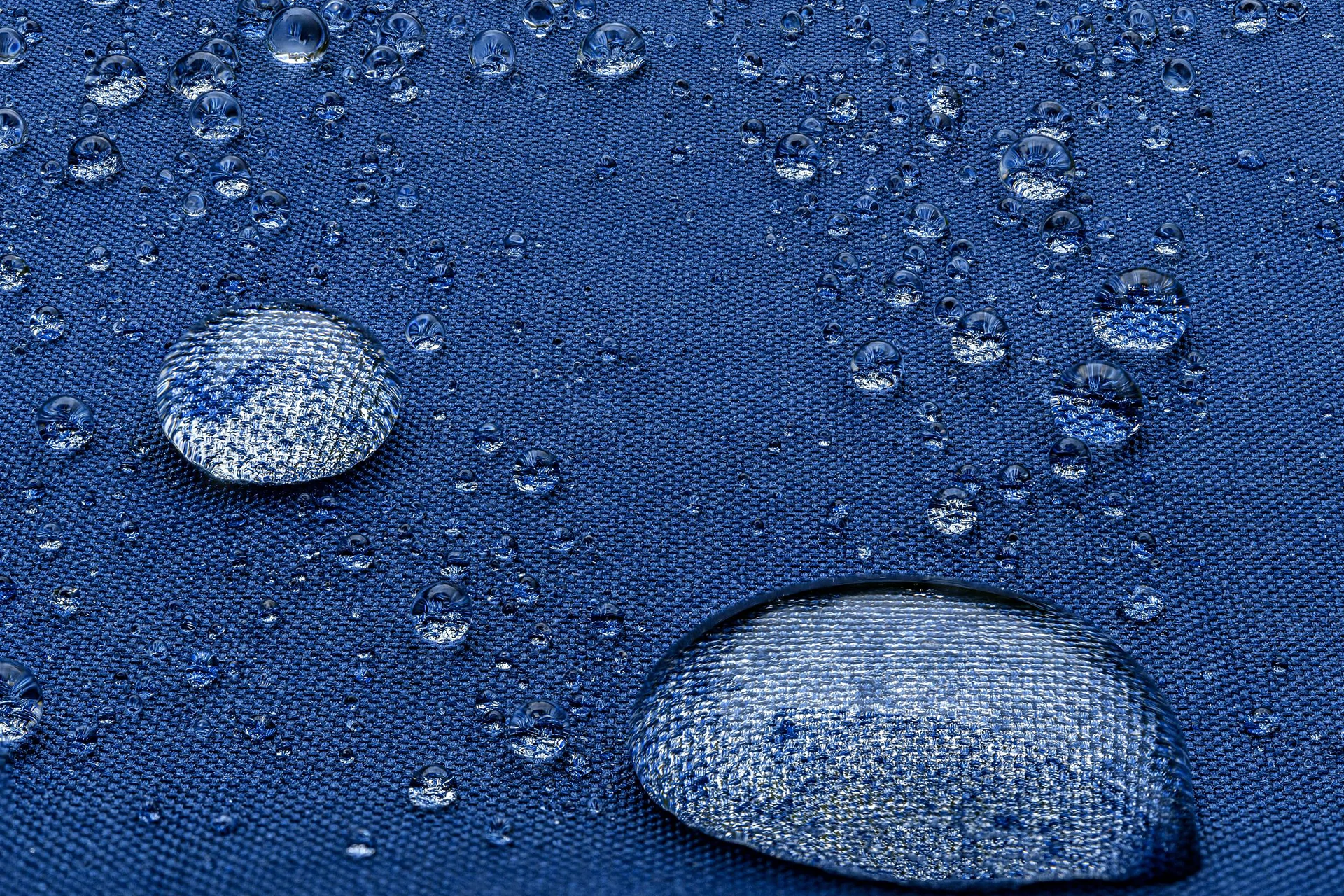
Moisture wicking is the process of pulling sweat away from your skin during a workout. Fabrics designed for moisture wicking draw sweat to the surface of your clothing where it can evaporate, keeping you comfortable and dry throughout your exercise session. This capability arises from capillary action, where moisture moves through tiny pores in the fabric to its outer surface. Once there, surface tension causes the moisture molecules to evaporate swiftly. This guide covers everything you need to know about moisture-wicking fabric, including their composition, functionality, and the most suitable fabric types for various workouts.
There are three primary methods to impart wicking properties to a garment:
-Yarn Construction:
Wicking yarn differs from regular yarn by having a non-round shape, such as cross or flower-shaped, with more spaces and channels. This design facilitates capillary action, where tiny tubes (capillaries) within the yarn enable moisture to move through the fabric. Typically made from synthetic filaments like polyester and nylon, wicking yarn allows sweat to be wicked away from the body, aiding evaporation into the air.
-Knitting Structure:
Known as one-way or mechanical wicking, this method involves knitting fabric in specific patterns. These patterns direct moisture towards the outer layer of the garment, where it spreads over a larger surface area. This process accelerates evaporation, enhancing moisture management.
-Chemical Finish:
To impart wicking properties to regular fabrics, a chemical finish containing hydrophilic molecules can be applied during dyeing or finishing processes. These additives bond with the fabric's surface, making it hydrophilic. While chemical finishes are cost-effective compared to wicking yarn, they gradually diminish with washing.

2. Why We Need Moisture-Wicking?
Sweat is crucial for regulating body temperature, but when absorbed by workout clothes, it can lead to discomfort—alternating between feeling hot and cold. Moisture-wicking fabric help maintain comfort by reducing bacterial growth and preventing chafing.
3. Different Moisture-Wicking Material
Synthetic Moisture-Wicking Fibers: Synthetic fibers are chemically engineered to enhance moisture-wicking properties. Common types include:
- Polyester: Lightweight, durable, quick-drying, and wrinkle-resistant.
- Polypropylene: Water-repellent, breathable, and retains heat effectively.
- Nylon: Stretchy, mildew-resistant, lightweight, and quick to dry.
- Acrylic: Lightweight, shape-retaining, and good at retaining heat.
- Spandex: Highly elastic, smooth, and moderately moisture-wicking.
- GORE-TEX®: Waterproof, windproof, ideal for layering and enduring various weather conditions.
Natural Moisture-Wicking Fibers: Natural fibers possess inherent moisture-wicking capabilities, rooted in their natural functions for plant growth and animal cooling. Derived from organic materials, they offer an environmentally-conscious alternative to synthetics.
- Bamboo: Breathable, odour-resistant, and stretchy, bamboo's natural moisture-wicking ability comes from its water-absorbing properties, thriving in hot, humid environments.
- Wool: Naturally breathable and thermoregulating, wool absorbs moisture into its fibers while effectively releasing it from both the surface and spaces between fibers, maintaining insulation.
- Rayon: Derived from wood pulp, rayon combines natural and synthetic elements. It is known for being wrinkle-resistant, lightweight, and quick-drying.


Related Post


How to Choose the Right Midlayer Fabric for Outdoor Apparel
Layne | 10-20-2026 | Views 80 times
How to Choose the Right Midlayer Fabric for Outdoor Apparel Choosing the right midlayer fabric is essential for developing functional outdoor apparel. A good midlayer should provide warmth without unnecessary bulk while maintaining breathability, moisture management, comf...
A Complete Analysis of Waterproof Fabrics
Layne | 09-24-2026 | Views 272 times
A Complete Analysis of Waterproof Fabrics: From Principles to Processes, Understand Waterproof Ratings in One Go Foreword: How can a piece of fabric be made “not a drop of water leak-proof”? Whether a jacket can truly keep out the rain depends not on how thick it...
Waterproof vs. Water-repellent: Fabric differences that 90% of people get wrong
Layne | 09-22-2026 | Views 230 times
Waterproof vs. Water-repellent: Fabric differences that 90% of people get wrong About the author Youvion focuses on developing functional fabrics for outdoor apparel, covering solutions for inner, middle, and hardshell outer layers. Through years of collaboration with global...
Recycled Polyester (rPET): What It Is, How It’s Made, and Why It Matters for Outdoor Fabrics
Layne | 09-14-2026 | Views 423 times
Recycled Polyester (rPET): What It Is, How It’s Made, and Why It Matters for Outdoor Fabrics Recycled polyester (rPET) is widely used in modern textile production. It offers many of the performance characteristics of conventional polyester, including strength, abrasion re...

Superwash Wool vs Natural Wool
Layne | 09-11-2026 | Views 381 times
Superwash Wool vs Natural Wool 1.What’s “Superwash” Merino wool is a high-performance fiber bestowed by nature—it’s breathable, temperature regulating, naturally odor-resistant, and can absorb up to 35% of its own weight in moisture without feeling damp. However, for d...

Sorona® Fabric: A Sustainable Bio-Based Textile Material Combining Performance, Comfort, and Innovation
Layne | 09-10-2026 | Views 487 times
Sorona® Fabric: A Sustainable Bio-Based Textile Material Combining Performance, Comfort, and Innovation 1.What Is Sorona® Fabric? Sorona® is a bio-based functional textile material developed from advanced polymer technology. It is a PTT (polytrimethylene terephthalate) fiber...
Send Your Inquiry
Get a quote within 24 hours