

What is the Waterproof Fabric and How it is Used

Waterproof fabric is a specialized textile designed to repel water and prevent it from penetrating the material. This unique capability makes waterproof fabrics essential for a wide range of applications, from outdoor gear to everyday clothing. In this blog post, we'll delve into what waterproof fabric is, how it works, its types, and its various uses.
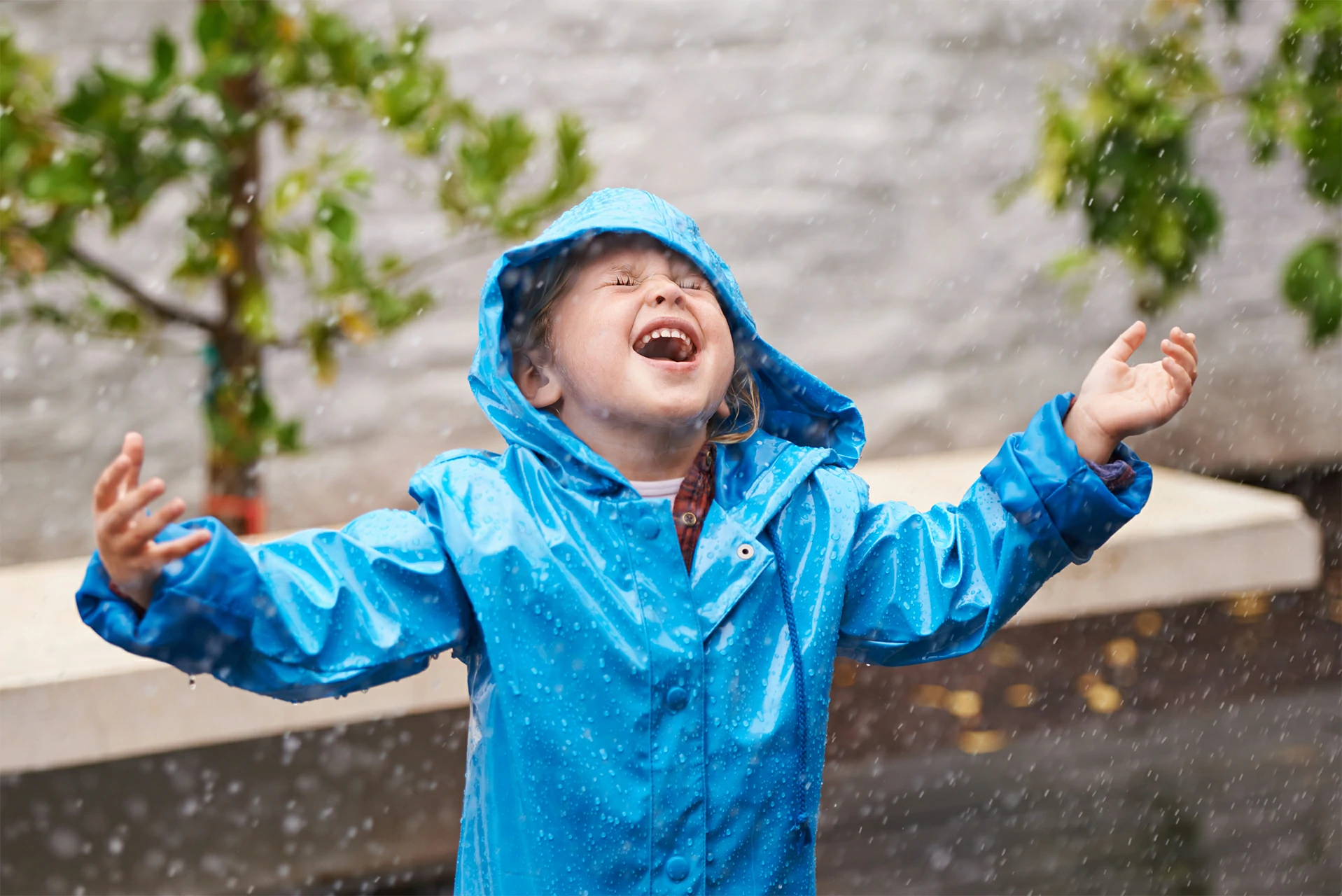
1. What is Waterproof Fabric and how does it work?
Waterproof fabric is a type of textile that has been treated or engineered to resist water penetration. Unlike water-resistant fabrics that only delay the penetration of water, waterproof fabrics completely prevent water from passing through, keeping the wearer dry and comfortable even in wet conditions.
The waterproofness of a fabric is achieved through various methods:
Coating or Laminating: Fabrics can be coated or laminated with a waterproof material such as polyurethane (PU) or a waterproof membrane like Gore-Tex®. Coatings are applied directly to the fabric surface, while laminates involve bonding a waterproof membrane to the fabric.
DWR (Durable Water Repellent) Treatment: Many waterproof fabrics are treated with a DWR coating on the outer surface. DWR enhances the fabric's ability to shed water by causing it to bead up and roll off the surface instead of soaking in.
Waterproof Membranes: These membranes are typically made of expanded polytetrafluoroethylene (ePTFE) or polyurethane. They have microscopic pores that are too small for water droplets to pass through but large enough for water vapor (perspiration) to escape, allowing for breathability.
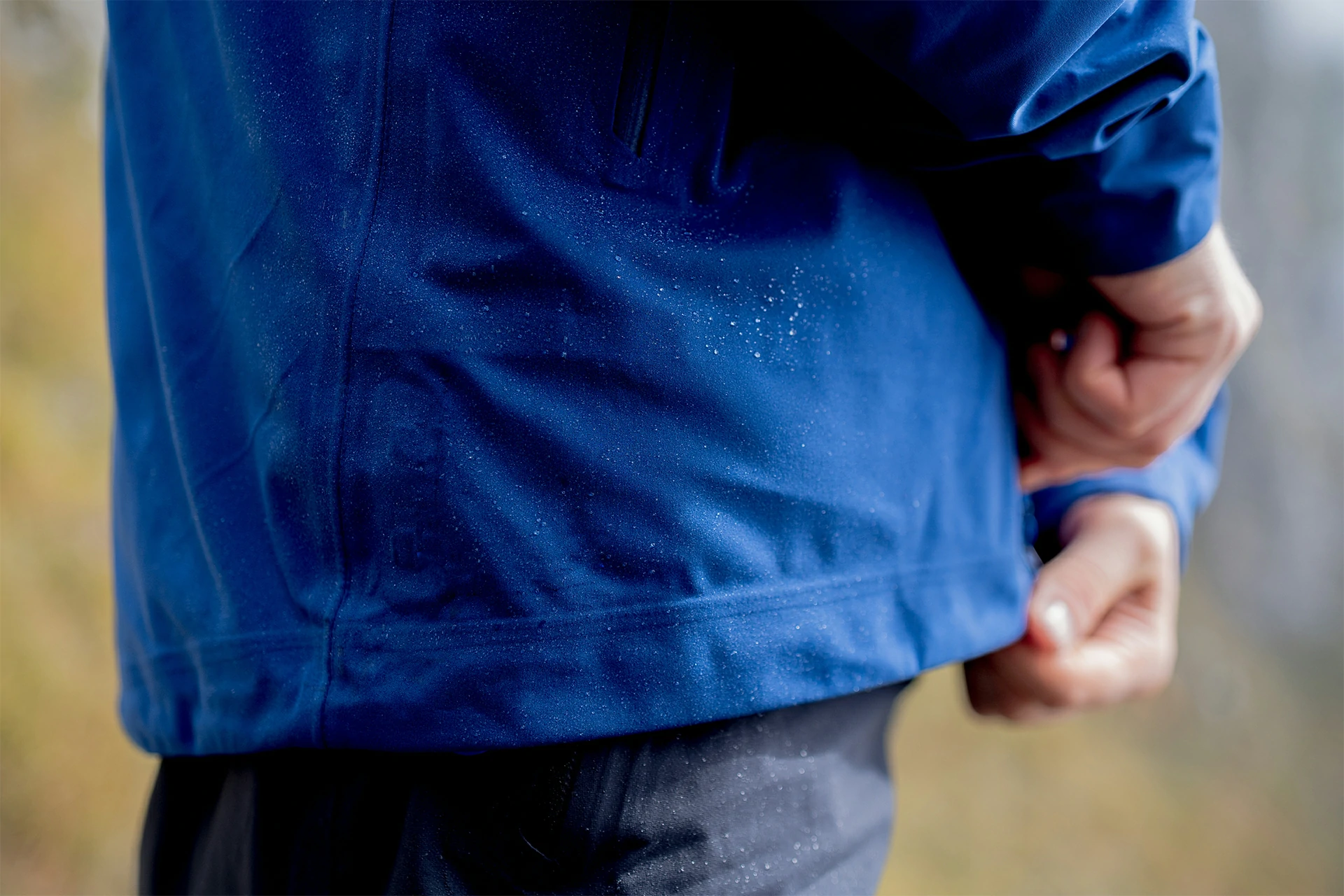
2. How Many Types of Waterproof Fabrics?
Polyurethane (PU) Coated Fabrics: These fabrics have a PU coating applied to one side, making them waterproof and often lightweight. They are commonly used in rain jackets, tents, and backpacks.
Waterproof Breathable Fabrics (e.g., Gore-Tex®): These fabrics feature a waterproof membrane laminated between layers of fabric. They offer superior waterproofing while allowing moisture vapor to escape, keeping the wearer dry and comfortable during physical activity.
Waxed Cotton: Cotton fabric treated with wax (such as beeswax or paraffin) becomes waterproof and wind-resistant. Waxed cotton is durable and has a classic look, often used in outerwear and bags.
Vinyl and Rubberized Fabrics: These fabrics are inherently waterproof due to their composition. They are commonly used in items like raincoats, boots, and waterproof bags.

3. Where is Waterproof Fabric Applied?
Waterproof fabrics find applications across various industries and products:
Outdoor Gear: Including jackets, pants, tents, and backpacks used for hiking, camping, and mountaineering.
Sports and Athletic Wear: Waterproof fabrics are used in outerwear and footwear for activities like skiing, snowboarding, and cycling.
Military and Tactical Gear: Ensuring protection and comfort in harsh environments.
Medical and Protective Clothing: Waterproof fabrics are used in surgical gowns, coveralls, and protective suits.
Fashion and Lifestyle: Waterproof fabrics are incorporated into stylish raincoats, umbrellas, and bags for urban us


Related Post


How to Choose the Right Midlayer Fabric for Outdoor Apparel
Layne | 10-20-2026 | Views 52 times
How to Choose the Right Midlayer Fabric for Outdoor Apparel Choosing the right midlayer fabric is essential for developing functional outdoor apparel. A good midlayer should provide warmth without unnecessary bulk while maintaining breathability, moisture management, comf...
A Complete Analysis of Waterproof Fabrics
Layne | 09-24-2026 | Views 245 times
A Complete Analysis of Waterproof Fabrics: From Principles to Processes, Understand Waterproof Ratings in One Go Foreword: How can a piece of fabric be made “not a drop of water leak-proof”? Whether a jacket can truly keep out the rain depends not on how thick it...
Waterproof vs. Water-repellent: Fabric differences that 90% of people get wrong
Layne | 09-22-2026 | Views 211 times
Waterproof vs. Water-repellent: Fabric differences that 90% of people get wrong About the author Youvion focuses on developing functional fabrics for outdoor apparel, covering solutions for inner, middle, and hardshell outer layers. Through years of collaboration with global...

Recycled Polyester (rPET): What It Is, How It’s Made, and Why It Matters for Outdoor Fabrics
Layne | 09-14-2026 | Views 390 times
Recycled Polyester (rPET): What It Is, How It’s Made, and Why It Matters for Outdoor Fabrics Recycled polyester (rPET) is widely used in modern textile production. It offers many of the performance characteristics of conventional polyester, including strength, abrasion re...

Superwash Wool vs Natural Wool
Layne | 09-11-2026 | Views 341 times
Superwash Wool vs Natural Wool 1.What’s “Superwash” Merino wool is a high-performance fiber bestowed by nature—it’s breathable, temperature regulating, naturally odor-resistant, and can absorb up to 35% of its own weight in moisture without feeling damp. However, for d...

Sorona® Fabric: A Sustainable Bio-Based Textile Material Combining Performance, Comfort, and Innovation
Layne | 09-10-2026 | Views 459 times
Sorona® Fabric: A Sustainable Bio-Based Textile Material Combining Performance, Comfort, and Innovation 1.What Is Sorona® Fabric? Sorona® is a bio-based functional textile material developed from advanced polymer technology. It is a PTT (polytrimethylene terephthalate) fiber...
Send Your Inquiry
Get a quote within 24 hours