

What is UV Resistant Fabric ?

1. Introduction
In today's world, protecting ourselves from the harmful effects of the sun's ultraviolet (UV) rays is more important than ever. One of the most effective ways to do this is by using UV resistant fabric. This blog will delve into what UV resistant fabric is, its benefits, applications, and how to choose the right one for your needs. Whether you're looking to stay safe while enjoying the outdoors or simply want to extend the life of your outdoor furniture, understanding UV resistant fabric is essential.
2. What is UV Resistant Fabric?
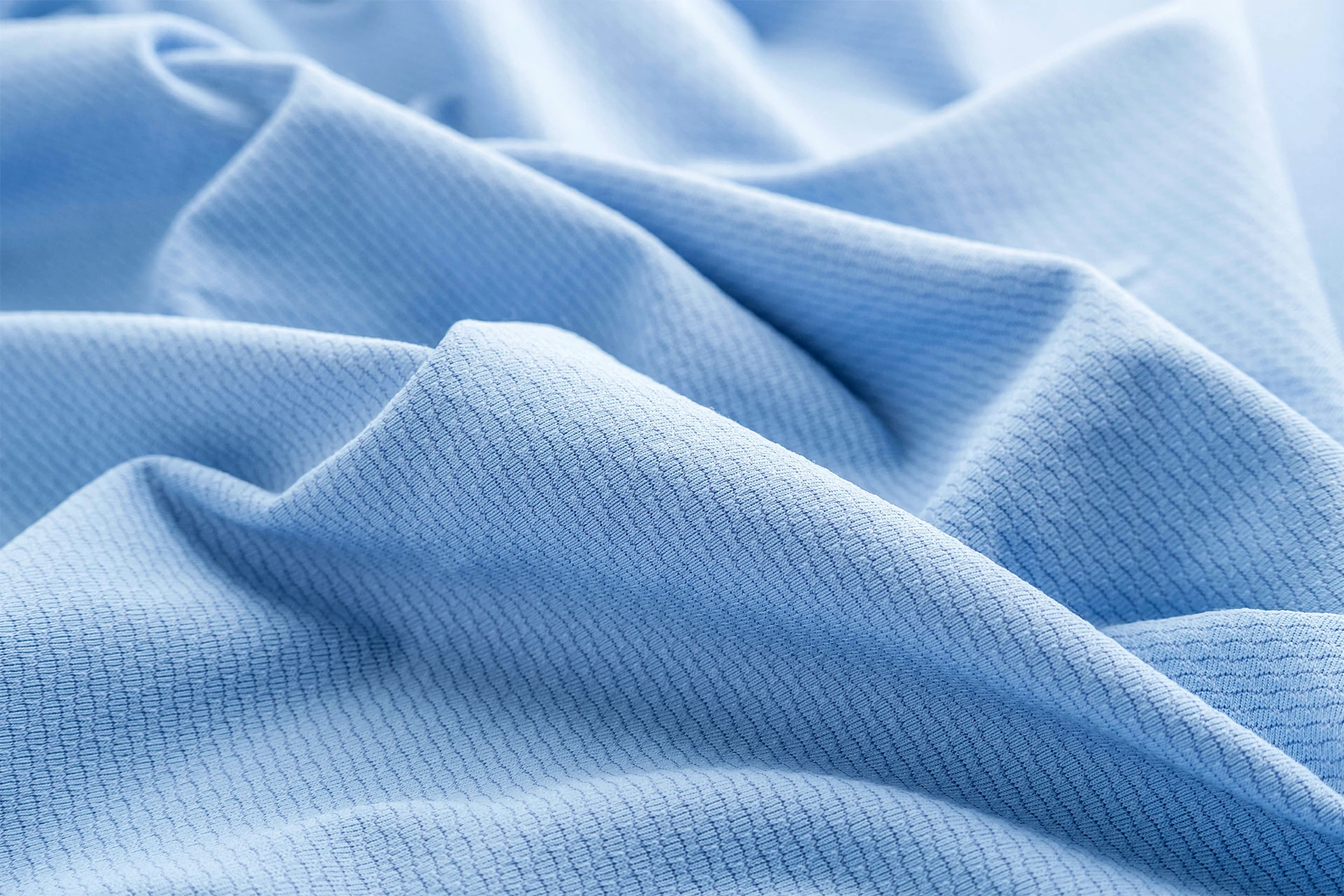
UV radiation, a component of sunlight, can cause significant damage to our skin and other materials over time. UV resistant fabrics are specially designed to block or reduce the penetration of UV rays, offering protection and preserving the integrity of the material. These fabrics achieve their UV resistance through various means, including tight weaves, chemical treatments, and the use of UV-absorbing materials. There are different types of UV resistant fabrics available, each with unique properties. Common materials include polyester, nylon, and specially treated cotton. These fabrics are often rated with an Ultraviolet Protection Factor (UPF), which indicates how much UV radiation can penetrate the fabric.
Blended Fabrics: Fabrics that combine natural and synthetic fibers (e.g., cotton-polyester blends) pose a challenge for recycling because separating these fibers can be difficult. However, there are advancements in technology that allow for the recycling of blended fabrics through innovative processes.
3. Benefits of UV Resistant Fabric
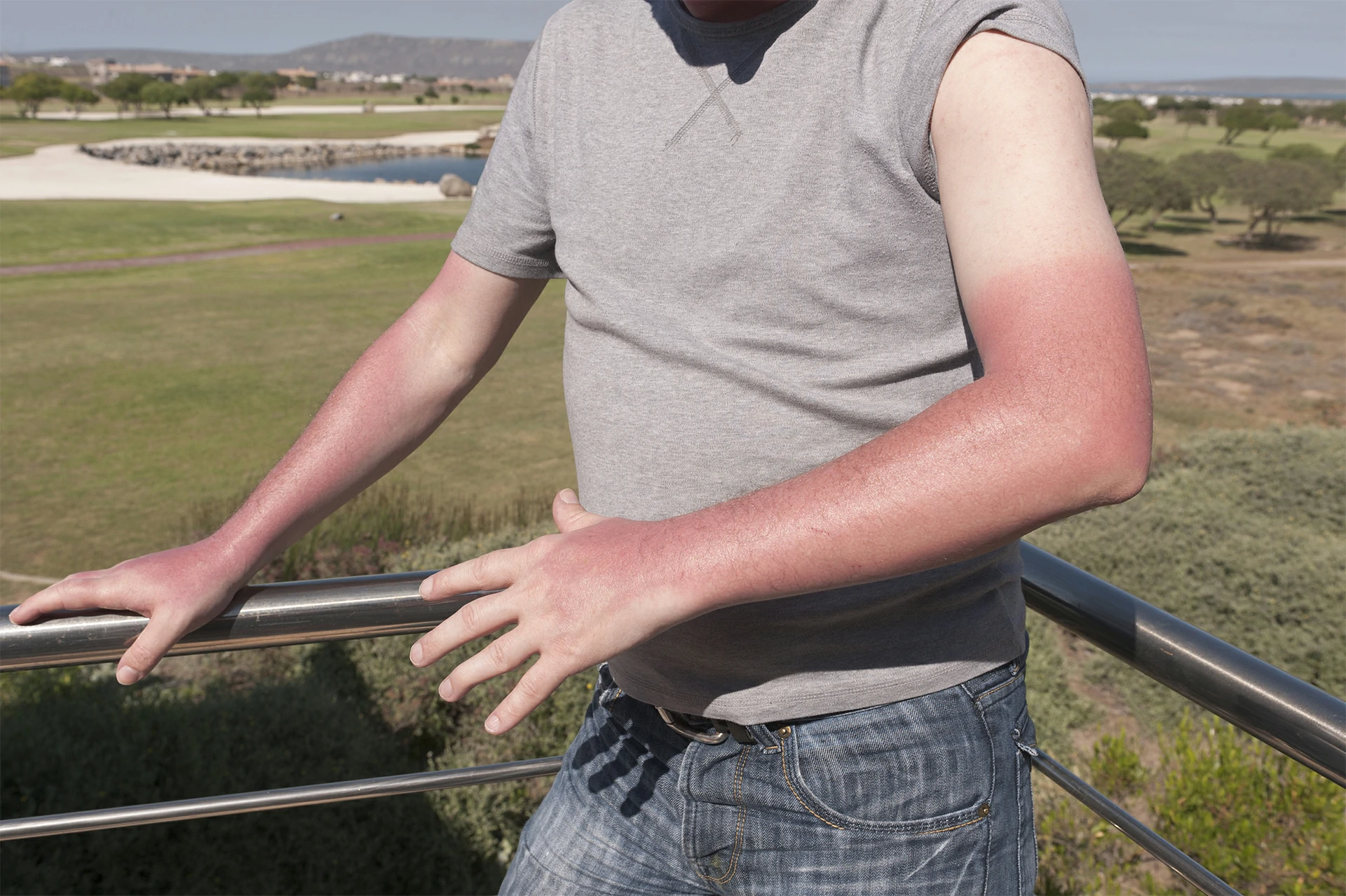
The health benefits of UV resistant fabric are significant. By blocking harmful UV rays, these fabrics help prevent sunburn and reduce the risk of skin cancer. For individuals with sensitive skin or conditions aggravated by sun exposure, UV resistant clothing provides an extra layer of defense. Beyond health benefits, UV resistant fabrics are known for their durability. Regular exposure to sunlight can cause fabrics to fade, weaken, and degrade over time. UV resistant fabrics are designed to withstand prolonged sun exposure, making them ideal for outdoor use. These fabrics are also incredibly versatile. From clothing and hats to outdoor furniture covers and umbrellas, UV resistant fabrics are used in a wide range of applications, ensuring protection wherever you need it.
4. Applications of UV Resistant Fabric
UV resistant fabrics are used in numerous applications, providing protection and durability in various settings:
Everyday Clothing: UV resistant shirts, pants, hats, and swimsuits are perfect for daily wear, especially during outdoor activities.
Outdoor Gear: Tents, backpacks, and sleeping bags made from UV resistant materials offer enhanced protection for campers and hikers.
Home and Garden: Curtains, awnings, and patio furniture covers made from UV resistant fabric help protect your home and garden furnishings from sun damage.

5. Choosing the Right UV Resistant Fabric
When selecting UV resistant fabric, consider the following factors:
UPF Rating: Look for fabrics with a high UPF rating, indicating superior UV protection. A UPF rating of 50+ is ideal for maximum protection.
Material: Different materials offer varying levels of comfort and breathability. Choose a fabric that suits your specific needs and preferences.
Comfort and Style: Ensure the fabric is comfortable to wear or use and matches your style preferences.
Care and Maintenance: Follow the manufacturer’s instructions for care and maintenance to prolong the fabric’s lifespan. Regular cleaning and proper storage can help maintain its UV resistance.


Related Post

How to Choose the Right Midlayer Fabric for Outdoor Apparel
Layne | 10-20-2026 | Views 80 times
How to Choose the Right Midlayer Fabric for Outdoor Apparel Choosing the right midlayer fabric is essential for developing functional outdoor apparel. A good midlayer should provide warmth without unnecessary bulk while maintaining breathability, moisture management, comf...

A Complete Analysis of Waterproof Fabrics
Layne | 09-24-2026 | Views 272 times
A Complete Analysis of Waterproof Fabrics: From Principles to Processes, Understand Waterproof Ratings in One Go Foreword: How can a piece of fabric be made “not a drop of water leak-proof”? Whether a jacket can truly keep out the rain depends not on how thick it...
Waterproof vs. Water-repellent: Fabric differences that 90% of people get wrong
Layne | 09-22-2026 | Views 230 times
Waterproof vs. Water-repellent: Fabric differences that 90% of people get wrong About the author Youvion focuses on developing functional fabrics for outdoor apparel, covering solutions for inner, middle, and hardshell outer layers. Through years of collaboration with global...

Recycled Polyester (rPET): What It Is, How It’s Made, and Why It Matters for Outdoor Fabrics
Layne | 09-14-2026 | Views 423 times
Recycled Polyester (rPET): What It Is, How It’s Made, and Why It Matters for Outdoor Fabrics Recycled polyester (rPET) is widely used in modern textile production. It offers many of the performance characteristics of conventional polyester, including strength, abrasion re...

Superwash Wool vs Natural Wool
Layne | 09-11-2026 | Views 381 times
Superwash Wool vs Natural Wool 1.What’s “Superwash” Merino wool is a high-performance fiber bestowed by nature—it’s breathable, temperature regulating, naturally odor-resistant, and can absorb up to 35% of its own weight in moisture without feeling damp. However, for d...

Sorona® Fabric: A Sustainable Bio-Based Textile Material Combining Performance, Comfort, and Innovation
Layne | 09-10-2026 | Views 487 times
Sorona® Fabric: A Sustainable Bio-Based Textile Material Combining Performance, Comfort, and Innovation 1.What Is Sorona® Fabric? Sorona® is a bio-based functional textile material developed from advanced polymer technology. It is a PTT (polytrimethylene terephthalate) fiber...
Send Your Inquiry
Get a quote within 24 hours