

What is Waterproof and Breathable Technical Fabric ?
1.What is Waterproof and Breathable Technical Fabric?
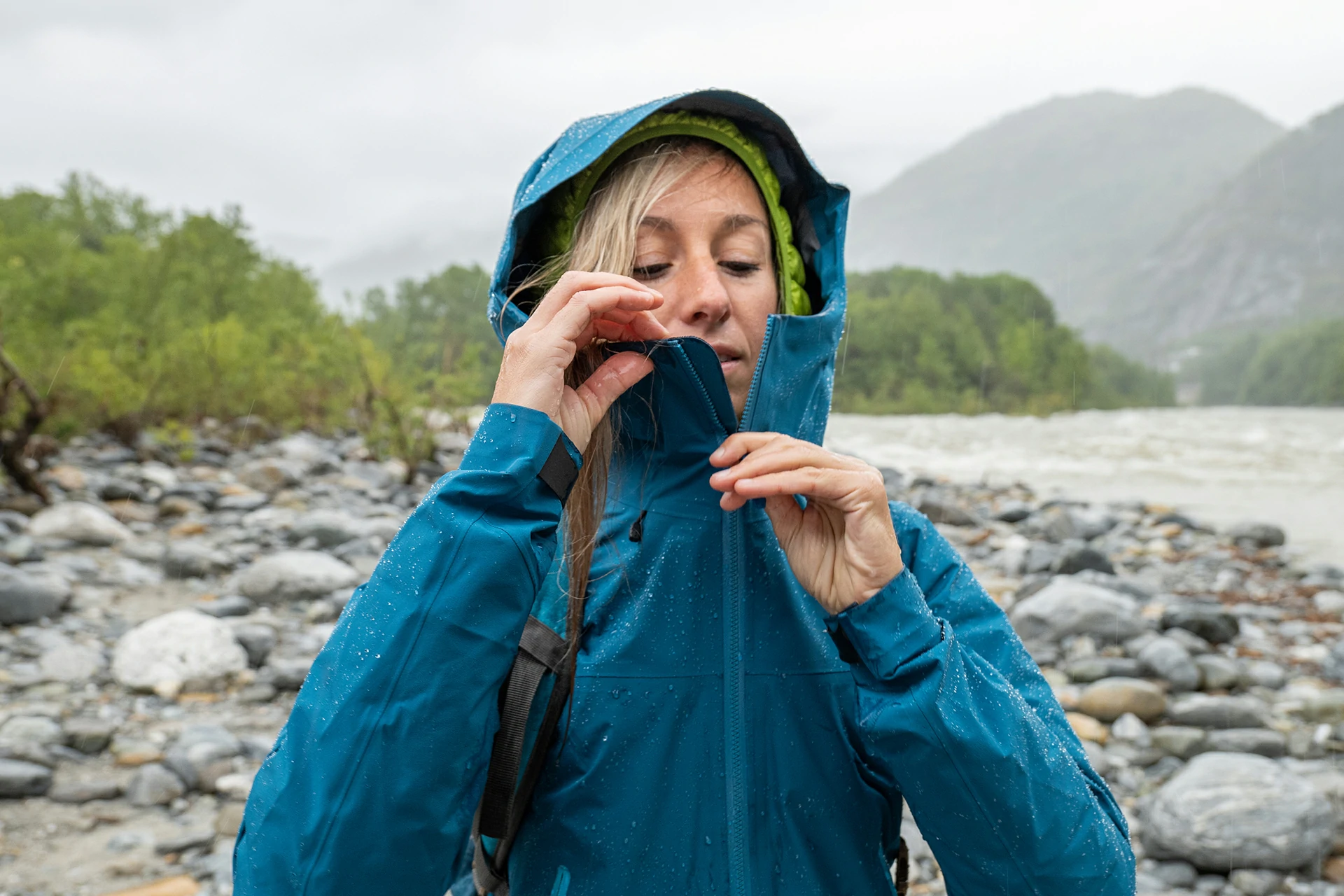
Waterproof and breathable (WPB) fabrics are specialized materials designed to repel water from the outside while allowing moisture vapor to escape from the inside. This dual functionality is essential for maintaining comfort and dryness, particularly in outdoor environments.
2. Key Components:
1. Outer Layer (Face Fabric):
- Typically made from nylon or polyester.
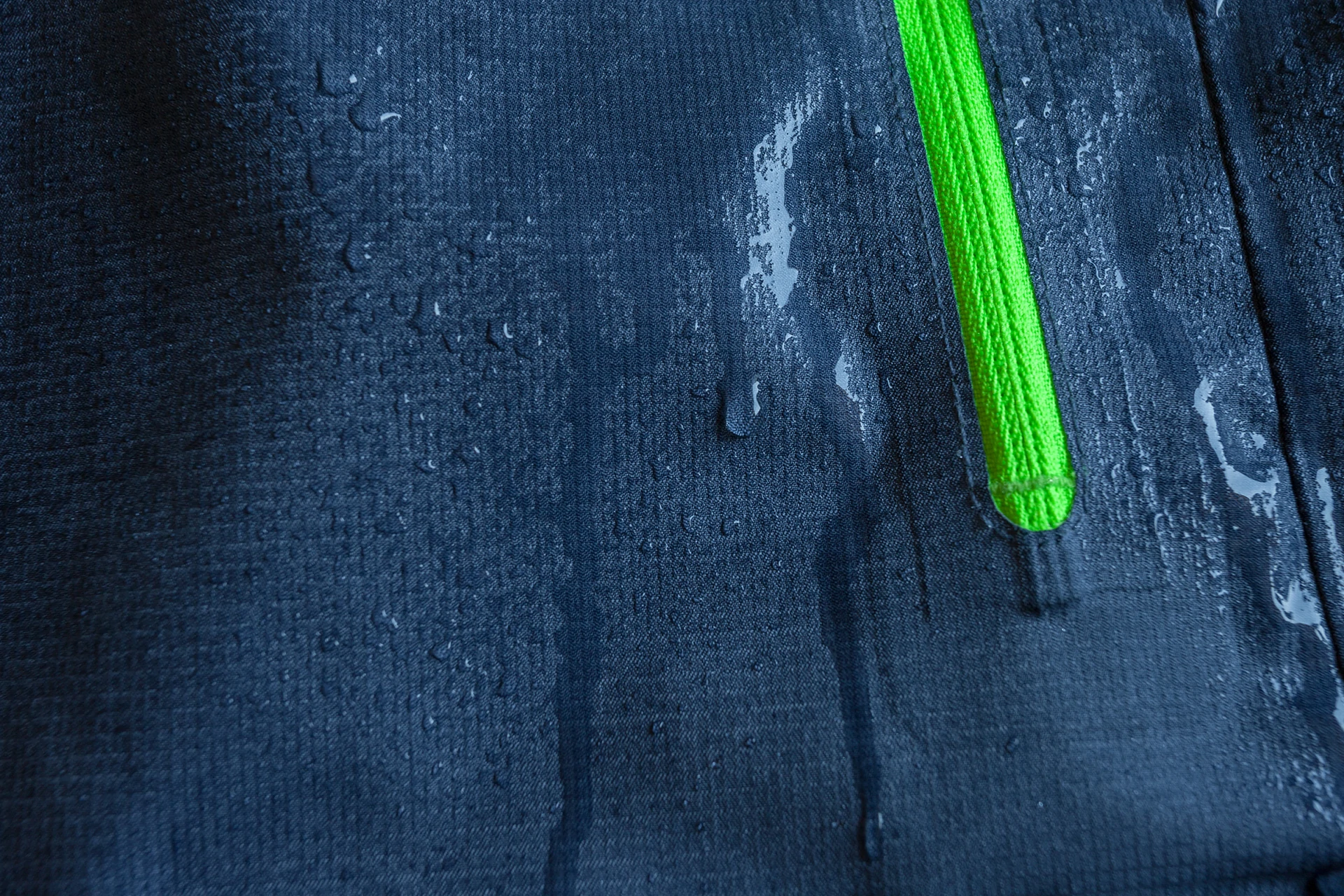
- Treated with Durable Water Repellent (DWR) to make water bead up and roll off.
2. Membrane or Coating:
- Positioned beneath the outer layer.
- Composed of materials like ePTFE (expanded polytetrafluoroethylene) or PU (polyurethane).
- The membrane has microscopic pores large enough for water vapor to escape but small enough to block liquid water.
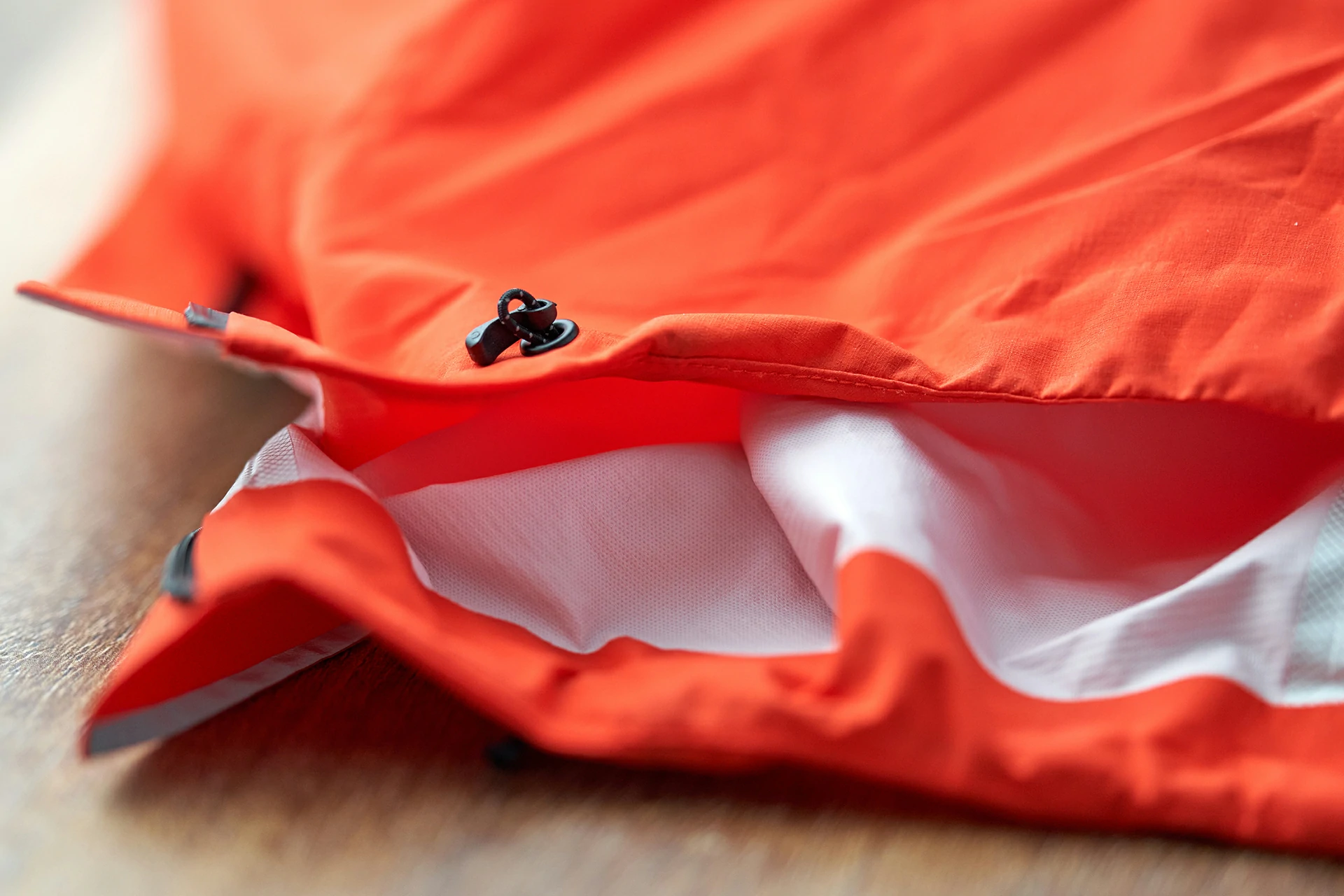
3. Inner Layer (Lining):
- Protects the membrane and enhances comfort.
- Often made from tricot or mesh, which adds breathability and moisture-wicking properties.
3. How Waterproof and Breathable Fabrics Work
The WPB fabric functions through a combination of hydrophobic and microporous properties. The outer DWR treatment repels water, while the membrane's micro-pores allow perspiration in the form of water vapor to pass through. This technology ensures that while external water is kept out, internal moisture is efficiently managed, preventing the wearer from feeling clammy or wet from sweat.
4. Why Use Waterproof and Breathable Fabric for Outdoor Jackets?
1. Protection from the Elements:
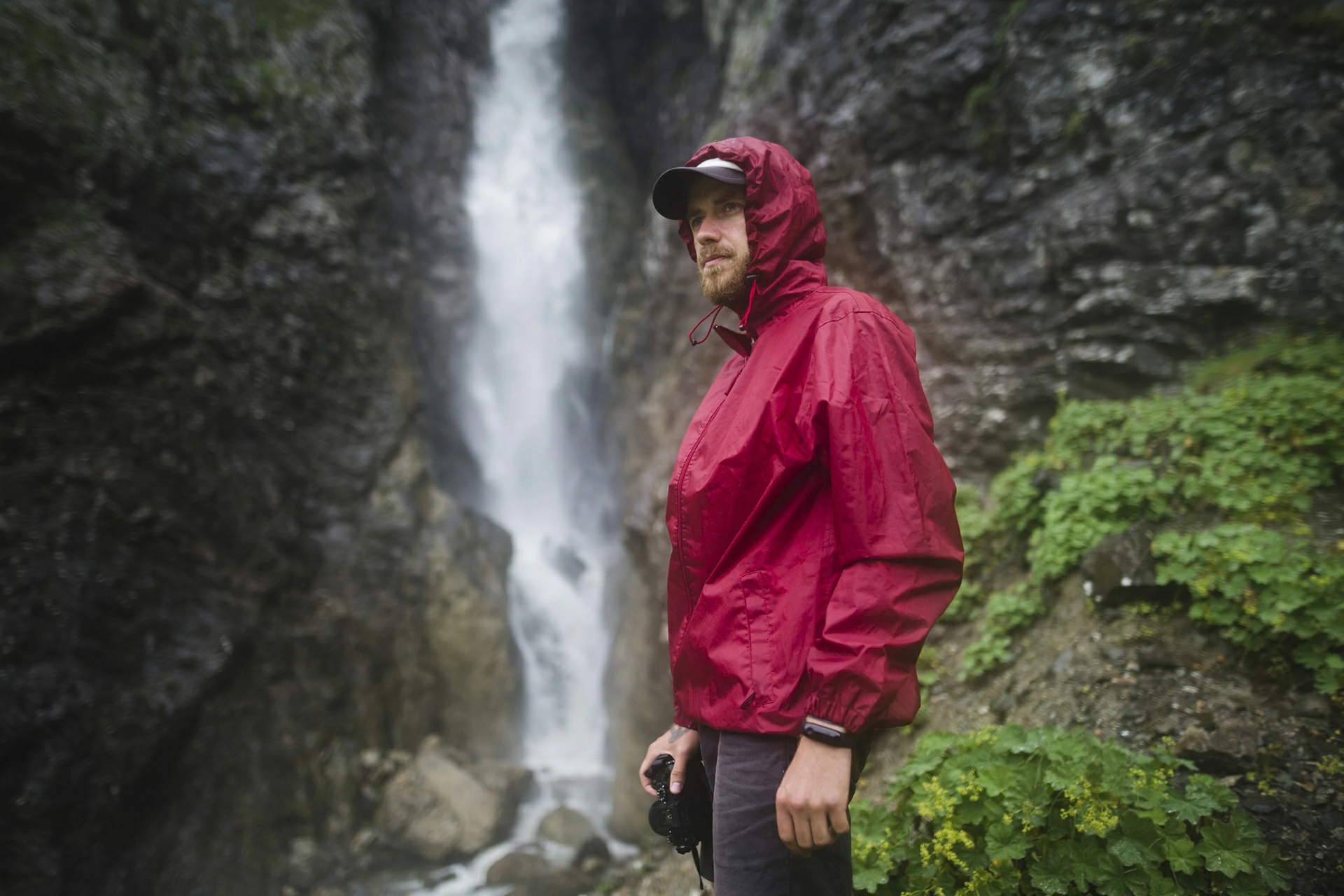
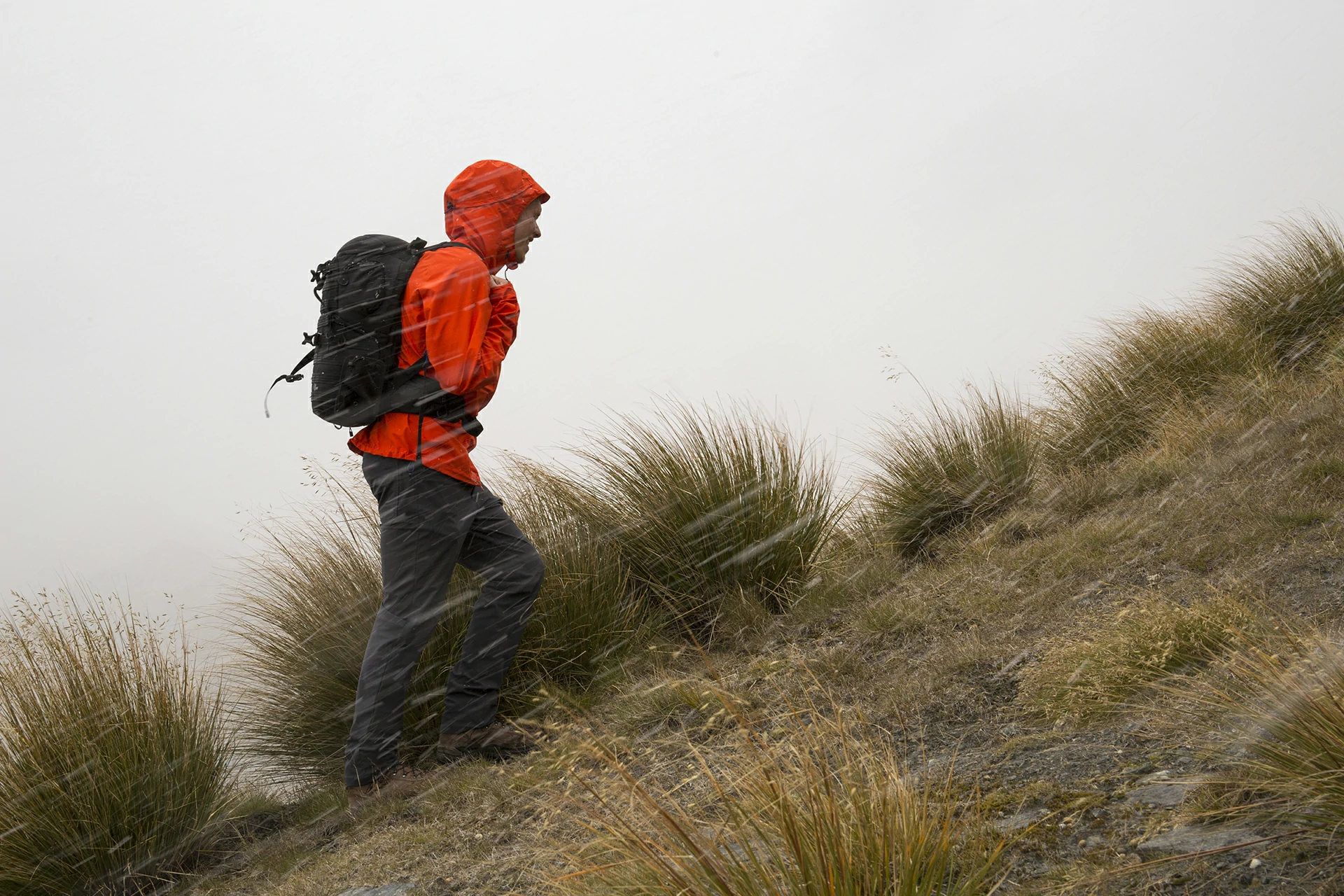
- Waterproofing: Keeps rain, snow, and moisture out, ensuring the wearer stays dry in wet conditions.
- Windproofing: Many WPB fabrics also provide wind resistance, adding an extra layer of protection against cold and blustery weather.
2. Comfort and Breathability:
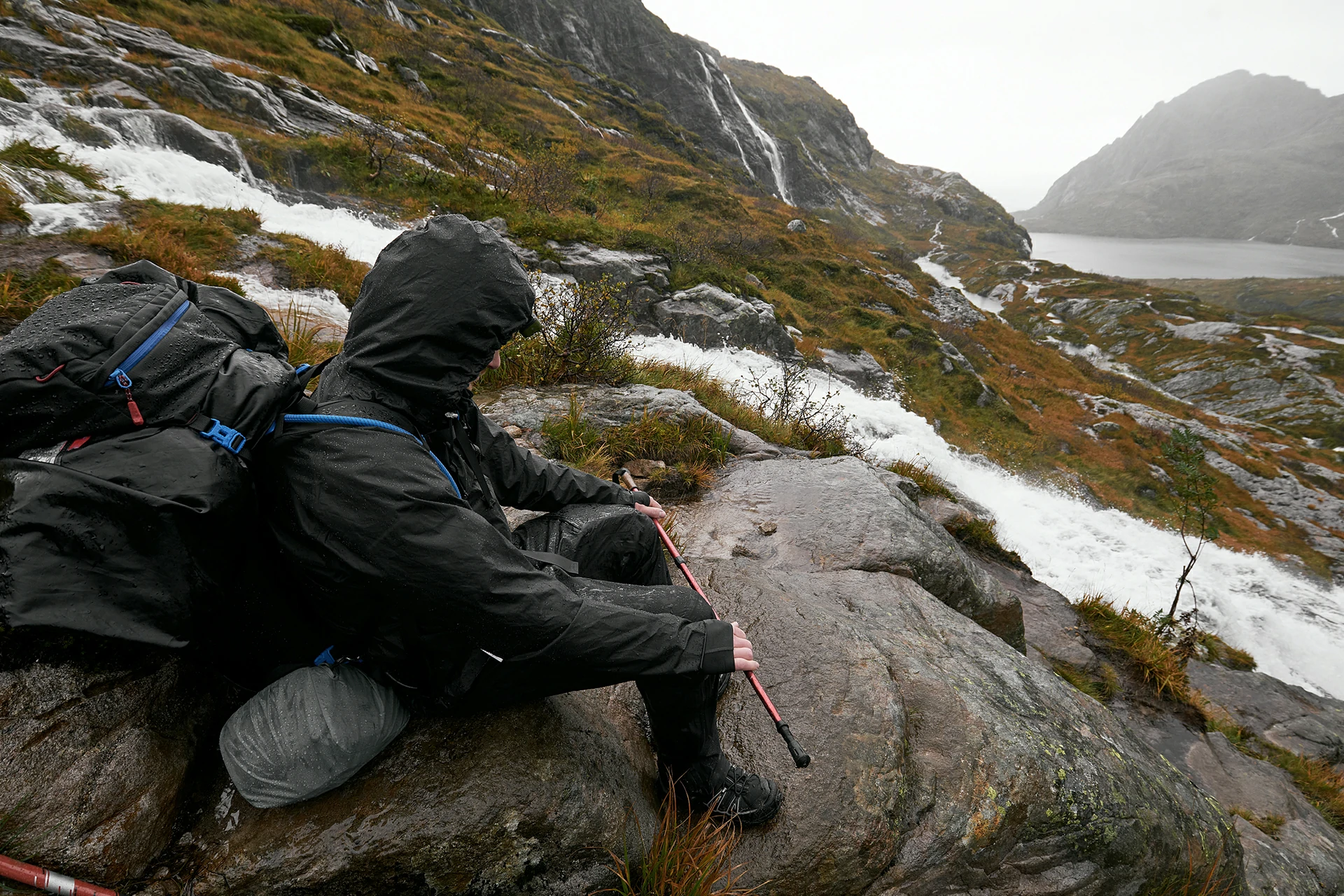
- Moisture Management: By allowing sweat to escape, WPB fabrics prevent overheating and excessive sweating, maintaining a comfortable microclimate inside the jacket.
- Temperature Regulation: Breathable fabrics help in regulating body temperature by allowing excess heat to dissipate.
3. Versatility and Durability:
- Multi-Season Use: Suitable for a variety of weather conditions, making them ideal for activities such as hiking, skiing, mountaineering, and other outdoor sports.
- Durable: Designed to withstand rugged outdoor use, these fabrics are often abrasion-resistant and long-lasting.
4. Enhanced Performance:
- Lightweight: Modern WPB fabrics are designed to be lightweight, ensuring that the jacket does not become a burden during extended wear.
- Flexibility: Provides ease of movement, crucial for active pursuits where mobility is essential.
5. Popular Technologies and Brands
Several brands have developed their own WPB technologies, each with unique features:
- Gore-Tex: Known for its robust waterproofing and breathability, Gore-Tex is one of the most recognized WPB fabrics.
- eVent: Offers excellent breathability with Direct Venting technology, which allows air to flow directly through the fabric.
- Polartec NeoShell: Combines breathability and waterproofing with a soft, flexible feel.
- H2No by Patagonia: Provides a durable and highly waterproof option with an emphasis on environmental sustainability.
6. Conclusion
Waterproof and breathable fabrics represent a significant advancement in outdoor apparel technology, combining the essential elements of protection, comfort, and performance. For anyone looking to explore the great outdoors, whether through hiking, skiing, or simply navigating a rainy city, an outdoor jacket made from WPB fabric is an indispensable piece of gear. With the right WPB jacket, adventurers can confidently face the elements while staying dry, comfortable, and ready for whatever nature throws their way.


Related Post

Windbreaker vs. Rain Jacket: A Complete Guide to Making the Right Choice
Layne | 08-25-2026 | Views 24 times
Windbreaker vs. Rain Jacket: A Complete Guide to Making the Right Choice 1.Introduction Choosing the right jacket for outdoor activities can be a challenge. Two of the most common options—the windbreaker and the rain jacket—often appear similar at first glance but serve fund...
Why Today’s Eco-Conscious Shoppers Are Choosing Safer, Greener Textiles
Layne | 08-18-2026 | Views 137 times
PFAS-Free & PFC-Free: Why Today’s Eco-Conscious Shoppers Are Choosing Safer, Greener Textiles 1.Introduction: The New Standard in Sustainability Sustainability isn’t just a trend anymore—it’s the new standard. Across the globe, consumers are rethinking ...
The Ultimate Base Layer Guide for Outdoor Performance
Layne | 08-12-2026 | Views 126 times
The Ultimate Base Layer Guide for Outdoor Performance 1.Introduction Choosing the right layers when on the slopes or taking part in any outdoor activity is crucial. A base layer is necessary for maintaining the right body temperature and will wick away moisture (often caused...
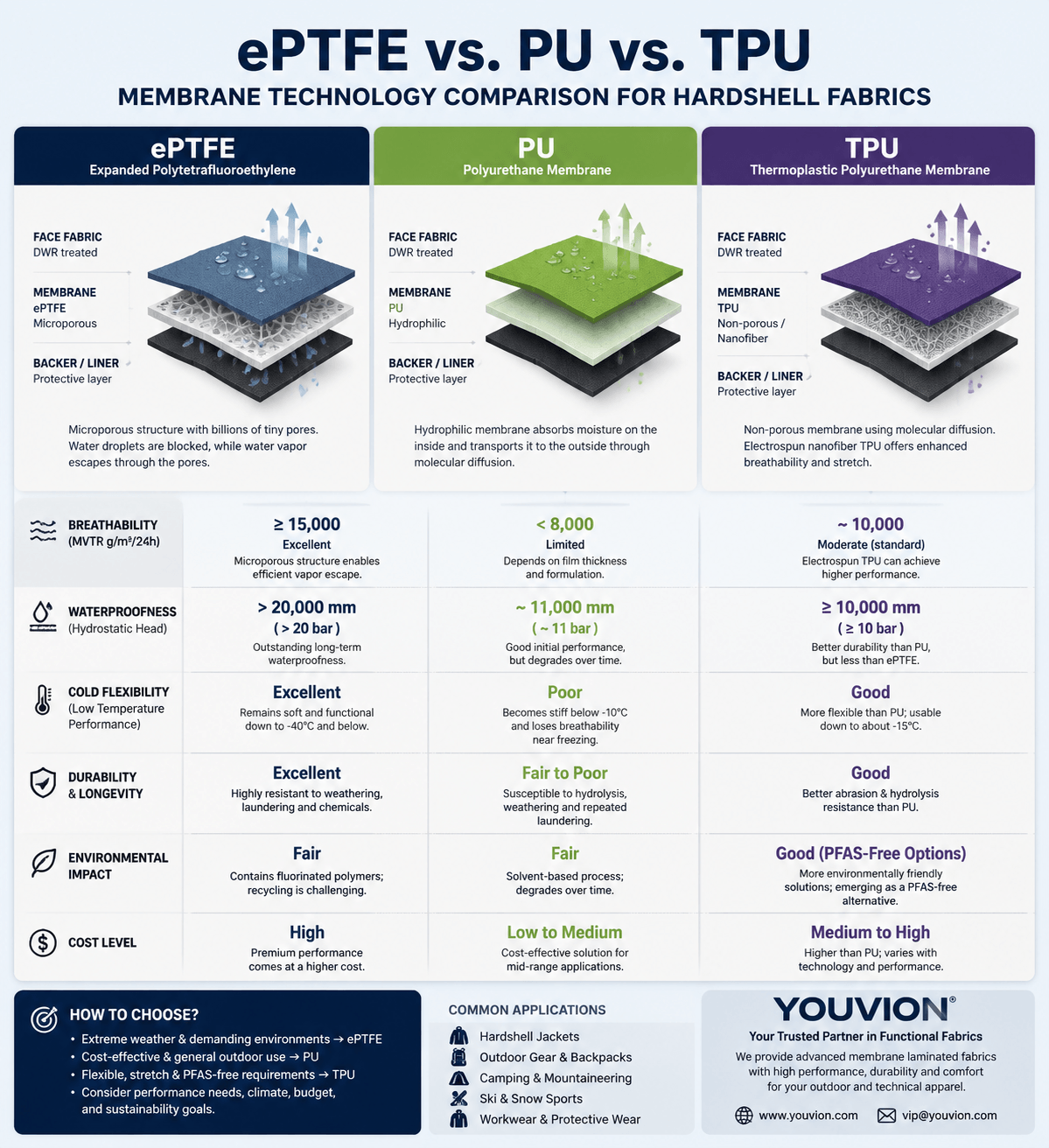
ePTFE vs. PU vs. TPU Membranes: A Technical Guide for Hardshell Fabrics
Layne | 08-09-2026 | Views 166 times
ePTFE vs. PU vs. TPU Membranes: A Technical Guide for Hardshell Fabrics 1.Introduction: The Critical Role of Membranes in Hardshell Performance 1.1 Defining the Hardshell Application Hardshell jackets represent the pinnacle of outdoor protective apparel, engineered to per...

Hiking 101: Essential Tips for a Safe and Memorable Trail Experience
Layne | 08-07-2026 | Views 152 times
Hiking 101: Essential Tips for a Safe and Memorable Trail Experience Hiking offers one of the most accessible and rewarding ways to connect with nature. Whether you are chasing panoramic summit views, seeking mental clarity, or simply craving an escape from daily routines, ...

Hard Shell vs Soft Shell Jacket: Answer These 7 Questions Before You Buy
Layne | 08-04-2026 | Views 290 times
Hard Shell vs. Soft Shell Jacket: Answer These 7 Questions Before You Buy The One-Sentence Rule You Can Use Right Now: If you’re going somewhere where more than 20 minutes of rain would ruin your day → get a hard shell. If you’re doing something that makes you...
Send Your Inquiry
Get a quote within 24 hours