
PFAS-Free & PFC-Free: Why Today's Eco-Conscious Shoppers Are Choosing Safer, Greener Textiles
 1.Introduction: The New Standard in Sustainability
Sustainability isn't just a trend anymore—it's the new standard. Across the globe, consumers are rethinking what they buy, how it's made, and what happens to it after use. And nowhere is this shift more visible than in the textile industry.
From rain jackets to sofa fabrics, the demand for PFAS-free and PFC-free materials is surging. But what's driving this movement? And why are shoppers—especially in regions like Singapore, Europe, and North America—paying closer attention to chemical finishes than ever before?
Let's explore the real story behind the rise of eco-friendly textiles, what's at stake, and how brands are responding to a new generation of informed buyers.
2.The New Consumer Mindset: Values-Driven Purchasing
Today's buyers aren't just comparing prices or styles. They're comparing values.
2.1 What Consumers Really Want to Know
A growing number of consumers want to know:
- Where do these materials come from?
- Are they safe for my family?
- What happens when I throw this away?
2.2 The Generational Shift
This shift is especially strong among millennials and Gen Z, who are more likely to research a brand's environmental footprint before making a purchase. For them, sustainability isn't a bonus—it's a baseline requirement.
And the textile industry is paying attention. Why? Because the environmental toll of conventional fabric production—from water pollution to chemical runoff—has become impossible to ignore.
 3.What Are PFCs and PFAS—and Why Are They Under Fire?
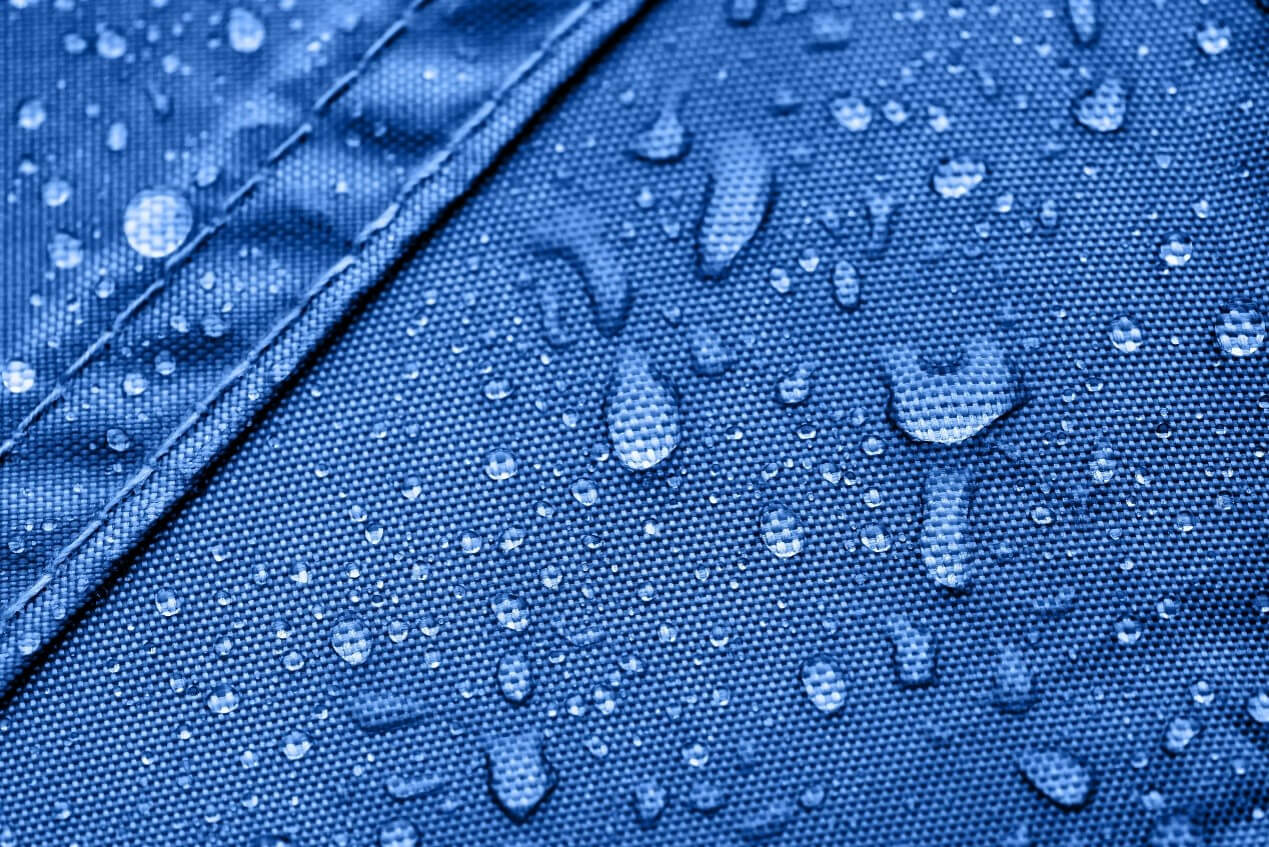
Perfluorinated chemicals (PFCs)—which fall under the broader category of PFAS (per- and polyfluoroalkyl substances)—have been used for decades to make fabrics water-resistant, stain-proof, and durable.
They work incredibly well. That's the problem.
3.1 The "Forever Chemicals" Problem
These chemicals are built on carbon-fluorine bonds, one of the strongest bonds in chemistry. That strength makes them extremely persistent in the environment and the human body. In fact, they're often called "forever chemicals" because they don't break down naturally.
3.2 Where PFAS Have Been Detected
Over time, PFAS compounds have been detected in:
- Drinking water supplies
- Soil near manufacturing sites
- Wildlife
- Human blood samples worldwide
And while not all PFAS are the same, certain types—especially long-chain compounds like PFOA and PFOS—have been linked to serious health concerns.
 4.Health Concerns: What the Science Says
Let's be clear: not every fluorinated chemical is dangerous. But the ones that have been studied most thoroughly raise red flags.
4.1 Health Risks Associated with PFAS Exposure
Research has associated prolonged exposure to certain PFAS with:
- Thyroid dysfunction
- Immune system suppression
- Developmental issues in children
- Reproductive health problems
4.2 The IARC Classification
In 2023, the International Agency for Research on Cancer (IARC) reclassified PFOA—a common PFAS used in older textile treatments—as carcinogenic to humans.
4.3 Bioaccumulation: Why Small Exposures Add Up
What makes this especially worrying is how long these chemicals linger in the body. The estimated half-life of PFOS in human blood is about 5.4 years; for PFOA, it's roughly 3.8 years. That means even small, repeated exposures can accumulate over time.
5.Not All Fluorinated Chemicals Are the Same
It's important to avoid oversimplification. There are over 4,000 different PFAS compounds, and they vary widely in structure and behavior.
5.1 Long-Chain vs. Short-Chain PFAS
- Long-chain PFAS (like C8) are highly stable, persistent, and more likely to accumulate in living organisms.
- Short-chain PFAS (like C6) break down faster and are less prone to bioaccumulation—but they're still not fully risk-free.
5.2 The Transition to C0 and the "C0" Misnomer
This nuance matters. Many brands have already transitioned from C8 to C6 chemistries, and now the industry is moving toward C0 (fluorine-free) alternatives.
However, the term "C0 water repellent" is a bit of a misnomer. It implies "zero carbon," but most C0 treatments actually contain carbon—they just don't use fluorine. The name stuck for convenience, especially in outdoor gear circles, but "PFAS-free" is the more accurate and widely accepted term for today's regulatory and consumer landscape.
6.What About Everyday Fluoride Products?
Many people wonder: If PFAS are risky, should I worry about fluoride in toothpaste or non-stick pans?
Short answer: no—but context matters.
6.1 Toothpaste Fluoride: A Different Compound
Toothpaste fluoride is an inorganic compound. It doesn't contain carbon-fluorine bonds, so it's chemically unrelated to PFAS. Comparing them is like comparing table salt to a plastic bag—both contain chlorine, but they're entirely different substances.
6.2 Non-Stick Cookware Coatings
Non-stick cookware coatings do use fluoropolymers, which are related to PFAS. However, these coatings are stable polymers that don't readily break down or get absorbed by the body. Accidental ingestion of small flakes is generally not dangerous—they pass through the digestive system without being absorbed.
6.3 The Real Exposure Risk
That said, the real exposure risk for PFAS comes from environmental contamination near production facilities, not from everyday use of consumer goods.
7.Government Action: Regulations Driving Change
Regulatory bodies worldwide are stepping in.
7.1 International Regulations
The European Union's REACH regulation is actively restricting certain PFAS in consumer products, including textiles. Similar measures are being considered in the U.S., Canada, and parts of Asia.
7.2 Consumer Demand as a Catalyst
These legal pressures are accelerating the shift toward PFAS-free alternatives—but regulation alone isn't the only driver. Consumer demand is arguably even more powerful.

8.The Rise of PFAS-Free Alternatives
Brands are now investing heavily in safer, greener technologies.
8.1 Innovative PFAS-Free Technologies
Some of the most promising innovations include:
- Bio-based wax coatings (e.g., plant oils and natural waxes) that provide water repellency without synthetic chemicals.
- Recycled polyester and nylon that reduce dependence on virgin resources.
- Densely woven fabrics that naturally shed water, reducing the need for chemical finishes.
8.2 Environmental Benefits of PFAS-Free Alternatives
These alternatives offer genuine environmental benefits:
- Biodegradability
- Lower toxicity
- Reduced ecological footprint during production and disposal
9.The Trade-Off: What's Lost Without PFAS?
Let's be honest—PFAS-free doesn't mean performance-free, but it does mean different performance.
9.1 Performance Differences
Compared to traditional fluorinated treatments, PFAS-free finishes often:
- Have lower water repellency durability
- Offer little to no oil/stain repellency
- Require more frequent maintenance to remain effective
9.2 Real-World Impact: The Gore-Tex Example
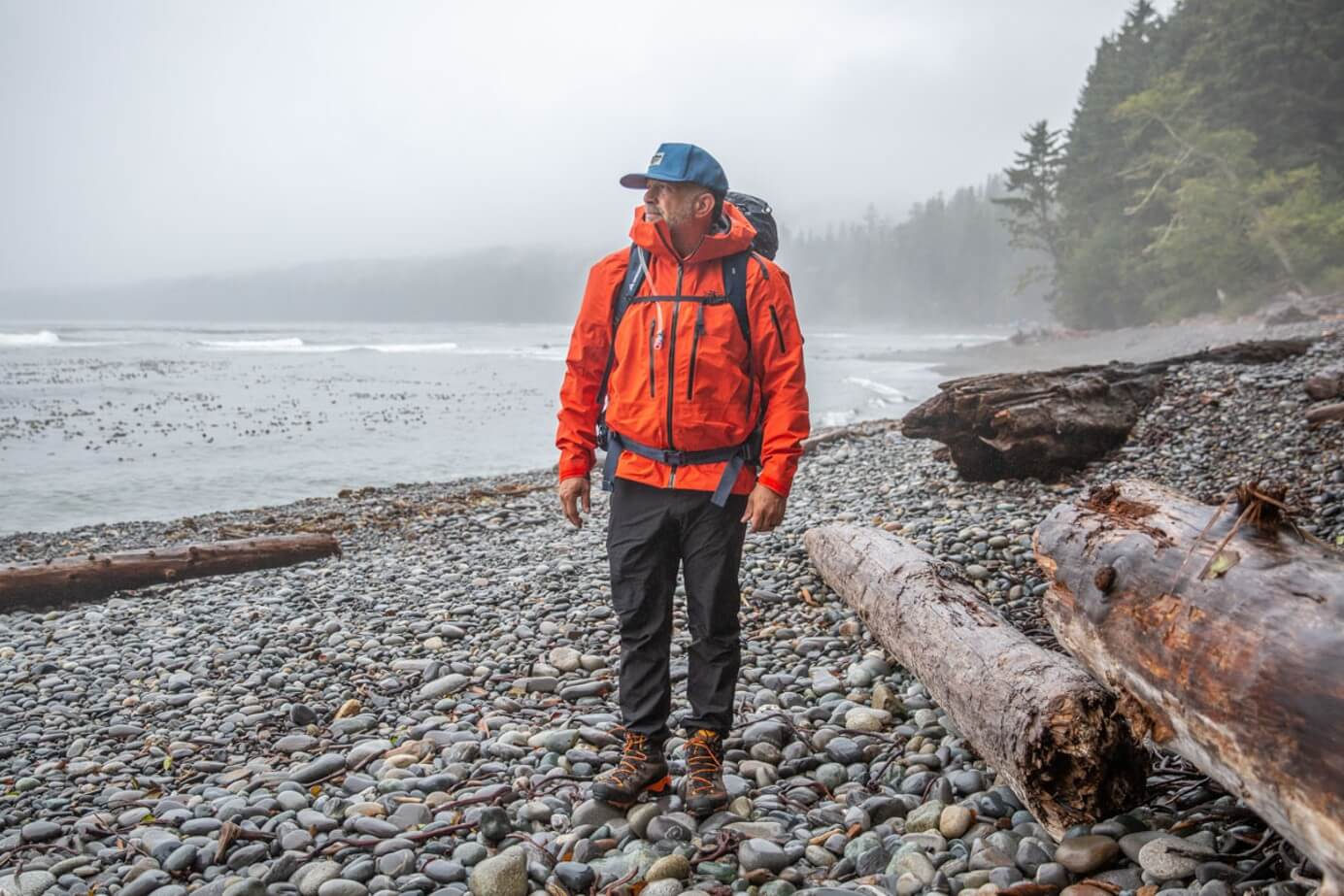
For outdoor enthusiasts, this is a noticeable shift. A Gore-Tex jacket, for example, relies on its outer fabric's water repellency to maintain breathability. Once that repellency fails, the jacket performs more like a cheap vinyl raincoat—even if the membrane itself is intact.
9.3 What This Means for You
More care. More attention.
With PFAS-free garments, regular washing and reapplication of DWR (durable water repellent) treatments become essential—not optional. This is a shift in consumer behavior that brands are actively educating shoppers about.

10.Who's Leading the Way?
Several major brands are already proving that PFAS-free can work—and work well.
10.1 Patagonia
A longtime sustainability pioneer, Patagonia has successfully transitioned much of its waterproof line to PFAS-free chemistries. They've been transparent about the performance trade-offs and offer clear guidance on care and maintenance.
10.2 IKEA
The furniture giant has committed to phasing out PFAS across its textile products, including sofas, curtains, and cushions. Their scale sends a powerful signal to the supply chain.
10.3 Smaller Outdoor Brands
Companies like Norrøna, Fjällräven, and Mammut are also investing heavily in PFAS-free innovations, often in collaboration with fabric mills and chemical suppliers.
11.The Future Is Fluorine-Free
The shift away from PFAS isn't a passing fad. It's part of a broader, irreversible move toward circular, responsible manufacturing.
11.1 What Consumers Are Choosing
Consumers are voting with their wallets—and they're choosing brands that prioritize:
- Transparency
- Environmental safety
- Long-term value over short-term convenience
11.2 What Lies Ahead
As more companies adopt PFAS-free technologies, costs will decrease, performance will improve, and the gap between conventional and sustainable textiles will continue to narrow.
12.What You Can Do as a Consumer
If you're ready to make the switch—or simply want to be more mindful—here's how to start:
12.1 Look for Clear Labels
Seek out products explicitly marked "PFAS-free" or "PFC-free." When in doubt, check for third-party certifications that verify fluorine-free formulations.
12.2 Care for Your Gear
Follow washing instructions carefully and reapply eco-friendly DWR treatments when needed.
12.3 Support Transparent Brands
Choose companies that openly share their material sourcing and chemical policies.
12.4 Extend Product Life
The most sustainable garment is the one you already own—repair, reuse, and recycle when possible.

13.PFAS-Free Innovation in Action: A Closer Look
As the industry moves toward fluorine-free solutions, high-performance alternatives are already available—and they're proving that sustainability doesn't have to compromise quality.
13.1 Product Showcase: YV-BZ-7570
Take, for example, Youvion's UV Cool Touch Sunscreen Outdoor Fabric (Product Number: YV-BZ-7570) . This advanced textile demonstrates that PFAS-free materials can deliver exceptional performance across multiple dimensions:
| Specification | Detail |
| Composition | 88% Polyester, 12% Spandex |
| Yarn Count & Density | 75D+40D*75D+40D, 250T |
| Weight | 128 GSM |
| Key Features | UV-resistant, Cool Touch, Fluoride-Free, Waterproof |
| Sunscreen Standard | UPF 50+, UVA < 5%, UVB < 2.5% |
| Water Repellency | Before washing: ≥ Grade 4 After 3 washes and drying: ≥ Grade 3 |
| Cool Touch Performance | Instant contact cool touch Q-MAX > 0.15 |
| Executive Standard | GB18401-2010 Class B, color fastness ≥ Grade 4 |
13.2 Why This Matters for Sustainable Textiles
This fabric is a prime example of how PFAS-free textiles can meet the rigorous demands of outdoor apparel, sportswear, and performance gear—without relying on harmful fluorinated chemistry. Its fluoride-free formulation ensures environmental safety, while its UPF 50+ rating and exceptional cool-touch properties make it ideal for active, sun-exposed applications.
From outdoor clothing and backpacks to camping tents and tactical gear, innovations like YV-BZ-7570 are reshaping what's possible in sustainable textiles—without PFAS.
14.Your Partner in Sustainable Fabric Innovation: Youvion
14.1 Who We Are
At Youvion, we engineer high-performance functional fabrics that perform where it matters—whether in outdoor clothing, backpacks, camping tents, or tactical gear. Our full-range offering includes waterproof, windproof, breathable, abrasion-resistant, ripstop, UV-blocking, and flame-retardant solutions. And we don't just sell fabric; we partner with you through OEM & ODM custom development, managing everything from initial polymer formulation and weaving to advanced coating, lamination, and finished-goods delivery.
14.2 Get in Touch
For more detailed specifications, customization options, or to discuss your next project with our technical team, please don't hesitate to contact us directly: [email protected].
15.Final Thoughts: A Cleaner Future Starts Now
The rise of PFAS-free textiles represents more than a product upgrade—it's a philosophical shift. It reflects a growing understanding that convenience shouldn't come at the cost of health or the environment.
And while the transition comes with real challenges—lower durability, higher maintenance, and sometimes higher costs—the benefits far outweigh the drawbacks.
As consumers, we have the power to drive this change. Every purchase is a vote for the kind of world we want to live in. And increasingly, that world is one where safe, sustainable, and high-performance are not mutually exclusive—they're the new standard.
Are you ready to go PFAS-free? Start by checking the labels on your next outdoor or home textile purchase—and choose a brand that's committed to a cleaner future.
