

Fleece Unzipped: What It Is and Why We Choose It Over Wool
If you've ever wrapped yourself in a cosy fleece jacket or snuggled under a fleece blanket, you've experienced one of the most ingenious inventions in modern textiles. But here's a surprise: despite its name, fleece has nothing to do with sheep. It's 100% synthetic, born in a lab, not on a farm. And yet, it's become the go-to fabric for warmth, comfort, and performance. So, what exactly is it, and why do we so often pick it over natural materials like wool? Let's dive in.
So, What Is Fleece, Really?
Fleece is a man-made fabric that feels every bit as soft and fuzzy as its namesake—but that's where the resemblance ends. Instead of shearing sheep, we start with plastic. Yes, plastic. The result is a lightweight, breathable, and incredibly warm material that has revolutionised outerwear, sportswear, and loungewear alike.
When you're moving, your body is basically a giant heat-dissipation system. If sweat isn't handled properly, you end up in one of two miserable states — either cold and damp, or hot and sticky.
It's the kind of fabric that makes you want to brave a winter walk—or never leave the sofa.
What's It Made Of?
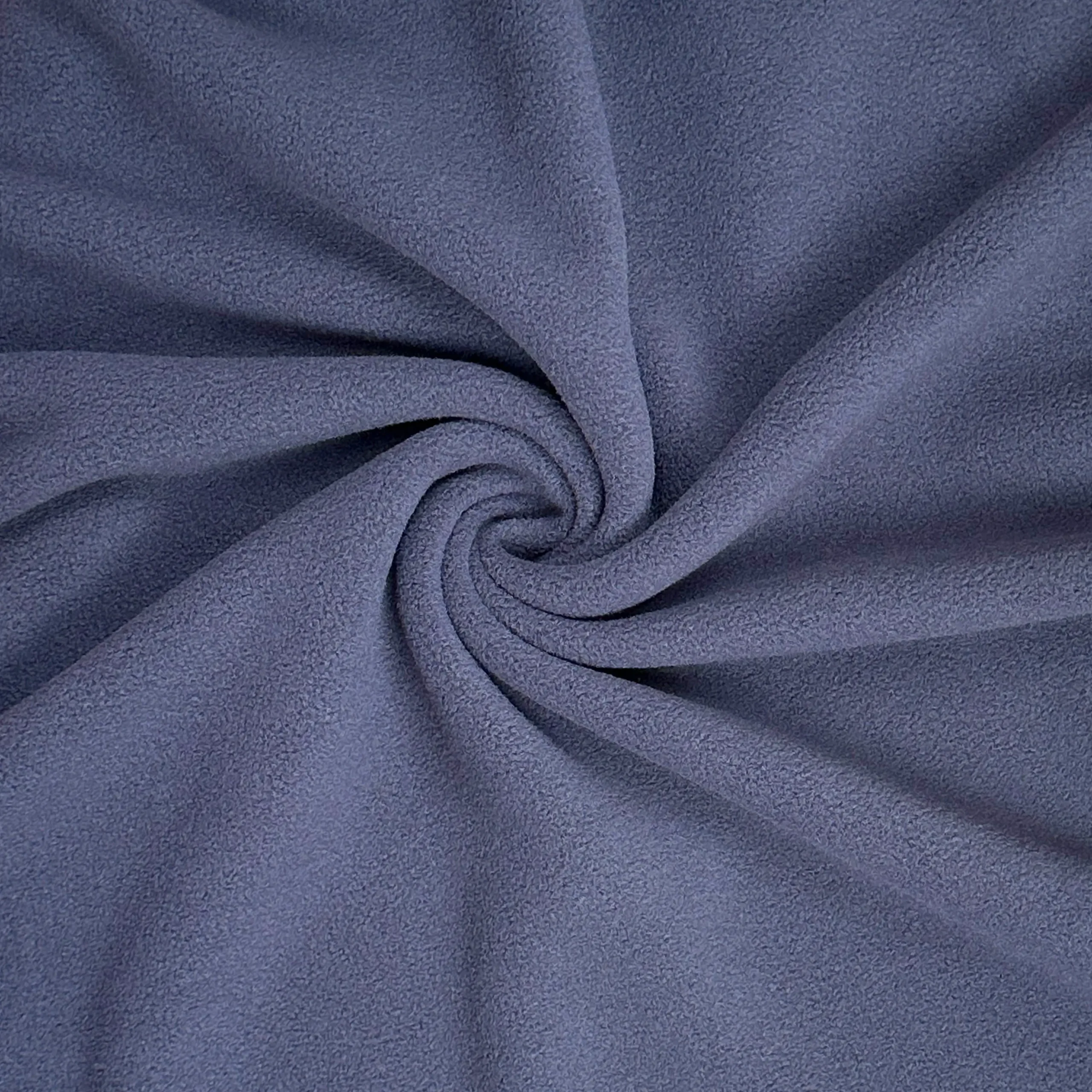
The vast majority of fleece is made from polyester, a type of plastic derived from petroleum. The polyester fibres are woven into a lightweight base fabric, which is then brushed on both sides to raise the fibres and create that signature fluffy pile. This brushing process traps air, which in turn traps body heat—simple science, but brilliant results.
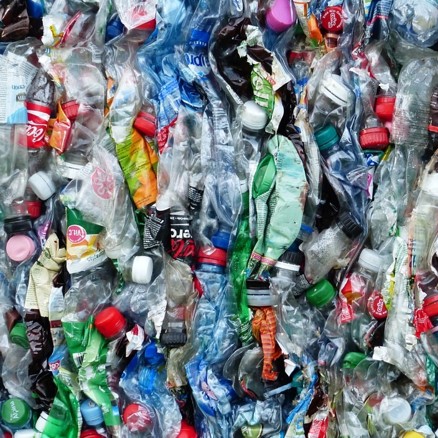
Some fleece blends incorporate natural fibres like wool, hemp, or rayon to tweak the texture or add a bit of sheen. And here's the eco-friendly twist: fleece can also be made from recycled plastic bottles, giving new life to waste while keeping production costs low.
How Is Fleece Made?
Creating polyester fleece is a chemical journey. It starts with petroleum and its derivatives, which are heated into a thick syrup. Once that syrup hardens, it's spun into fine threads, which are then knitted or woven into fabric. The final step—brushing—creates that plush, airy surface on both sides.
This unique fibre structure is what gives fleece its signature warmth and breathability. Air circulates freely, but heat stays trapped where you need it most.
Why Fleece Stands Out: Key Characteristics
Fleece isn't just warm—it's clever. Here's why it shines:
• Double-sided pile – Both surfaces have cut fibres, creating tiny air pockets that lock in warmth without weighing you down.
• Moisture resistance – Unlike many natural fabrics, fleece doesn't absorb water easily. It dries quickly and keeps you comfortable even in damp conditions.
• Durability – It stands up to wear and tear, making it ideal for active lifestyles.
• Lightweight warmth – Ounce for ounce, fleece offers exceptional warmth-to-weight performance compared with many traditional insulating materials.
What Do We Use Fleece For?
The better question might be: what don't we use it for? Fleece has found its way into everything from ear warmers for newborn calves to underwear for astronauts. Its versatility is unmatched.
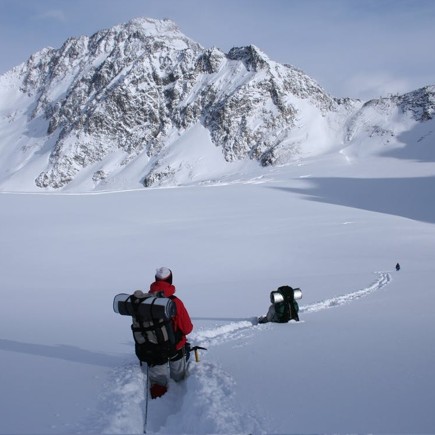
In sportswear, fleece is a star player. It wicks sweat away from the skin, keeps odours in check, and allows air to circulate while retaining heat. It's no wonder fleece became a fitness staple in the 1990s and has only grown in popularity since.
When the temperature drops, fleece is the ultimate winter companion. Jackets, scarves, gloves, blankets—you name it, fleece makes it warmer and more comfortable.

A Brief History: From Lab to Legend
Fleece as we know it was born in the 1970s, thanks to Malden Mills—a company better known at the time for fake fur and wool garments. Their goal? To create a fabric that offered the insulating power of wool without the drawbacks—like becoming heavy when wet or requiring sheep to produce.
They teamed up with outdoor brand Patagonia, and together they unveiled Synchilla—a tough, pile fabric designed to mimic wool. But here's the twist: the owner of Malden Mills, Aaron Feuerstein, chose not to patent the invention. His decision made fleece affordable and widely available, shaping the textile industry forever. Today, that same company operates as Polartec and continues to lead the market in fleece innovation.
Fleece vs. Wool: The Showdown
So, why do we so often pick fleece over wool? Let's break it down.
Fleece wins on:
• Softness – No itchiness, just pure comfort against the skin.
• Weight – Much lighter, making it ideal for layering and active wear.
• Moisture management – Dries faster and resists water better.
Wool has its own strengths:
• Natural and biodegradable – A clear win for purists.
• Insulates even when wet – A lifesaver in truly extreme conditions.
• Breathable – Like fleece, it lets air flow.
However, fleece does have a downside: it generates static, which means it can attract lint, dust, and pet hair like a magnet. And while fleece can be eco-friendly when made from recycled plastics, virgin polyester is far from green. Wool, on the other hand, is renewable and biodegradable from the get-go.

At Youvion, we offer 20+ premium fleece fabrics designed to meet diverse needs—from lightweight activewear to heavy-duty winter outerwear. Here are our top picks:
Static-Free Solution: Permanent Anti-Static Far-Infrared Active Warmth Fleece — Treated with anti-static agents to tackle the common fleece drawback of lint and pet hair attraction. A thoughtful upgrade for everyday comfort.
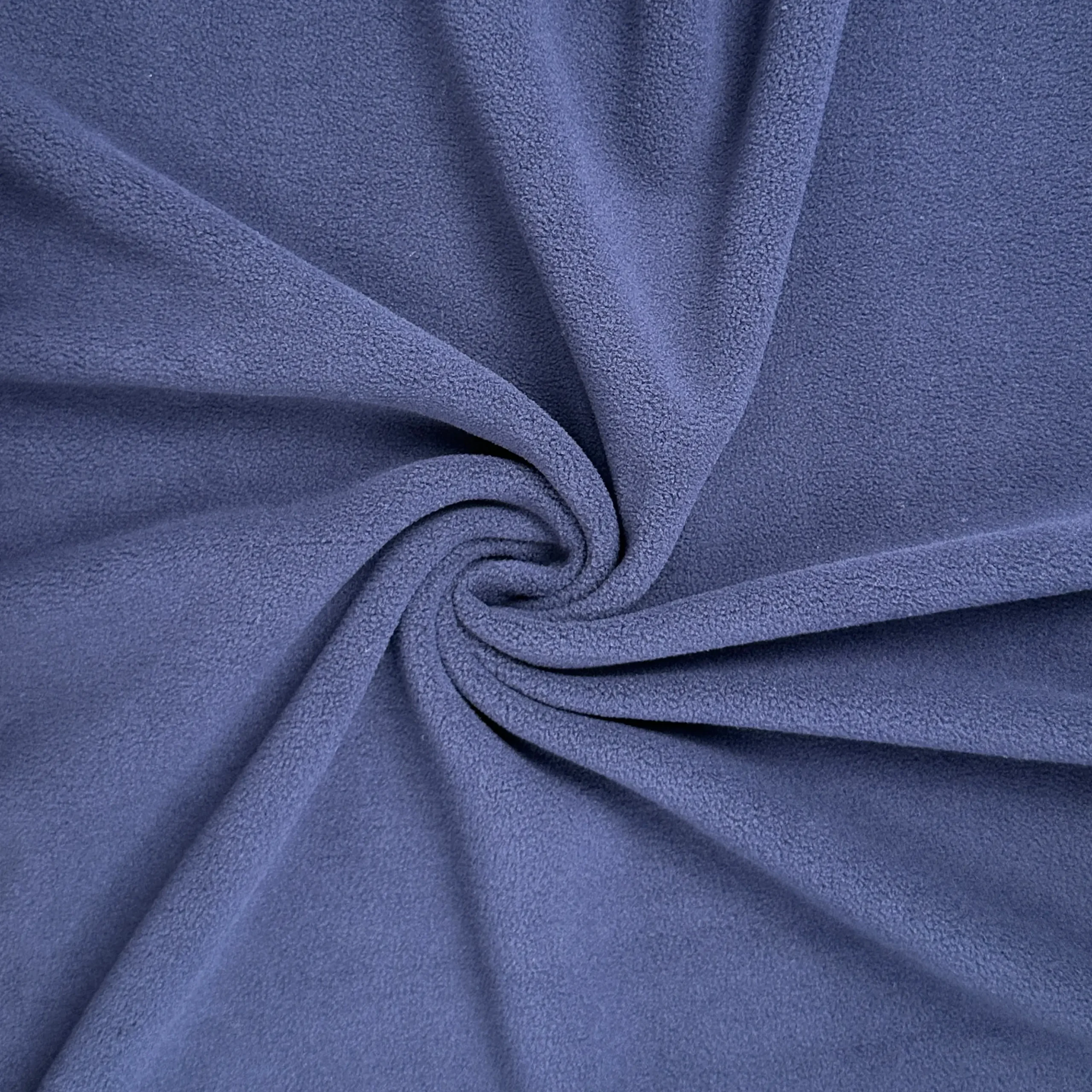
Explore our full range of 20+ fleece fabrics with detailed technical datasheets, high-resolution product images, and customization options. [Contact us / Visit our product page] for samples and quotes.
The Bottom Line
Fleece is a triumph of textile engineering—light, warm, durable, and endlessly versatile. It may not come from a sheep, but it's earned its place in our wardrobes and our hearts. Whether you're hitting the trail, braving the cold, or just curling up on the couch, fleece has got you covered.
The choice between fleece and wool ultimately comes down to your priorities: performance and comfort, or sustainability and tradition? Whichever you choose, you're wrapped in a fabric with a fascinating story to tell.


Related Post

Why Today’s Eco-Conscious Shoppers Are Choosing Safer, Greener Textiles
Layne | 08-18-2026 | Views 124 times
PFAS-Free & PFC-Free: Why Today’s Eco-Conscious Shoppers Are Choosing Safer, Greener Textiles 1.Introduction: The New Standard in Sustainability Sustainability isn’t just a trend anymore—it’s the new standard. Across the globe, consumers are rethinking ...
The Ultimate Base Layer Guide for Outdoor Performance
Layne | 08-12-2026 | Views 114 times
The Ultimate Base Layer Guide for Outdoor Performance 1.Introduction Choosing the right layers when on the slopes or taking part in any outdoor activity is crucial. A base layer is necessary for maintaining the right body temperature and will wick away moisture (often caused...
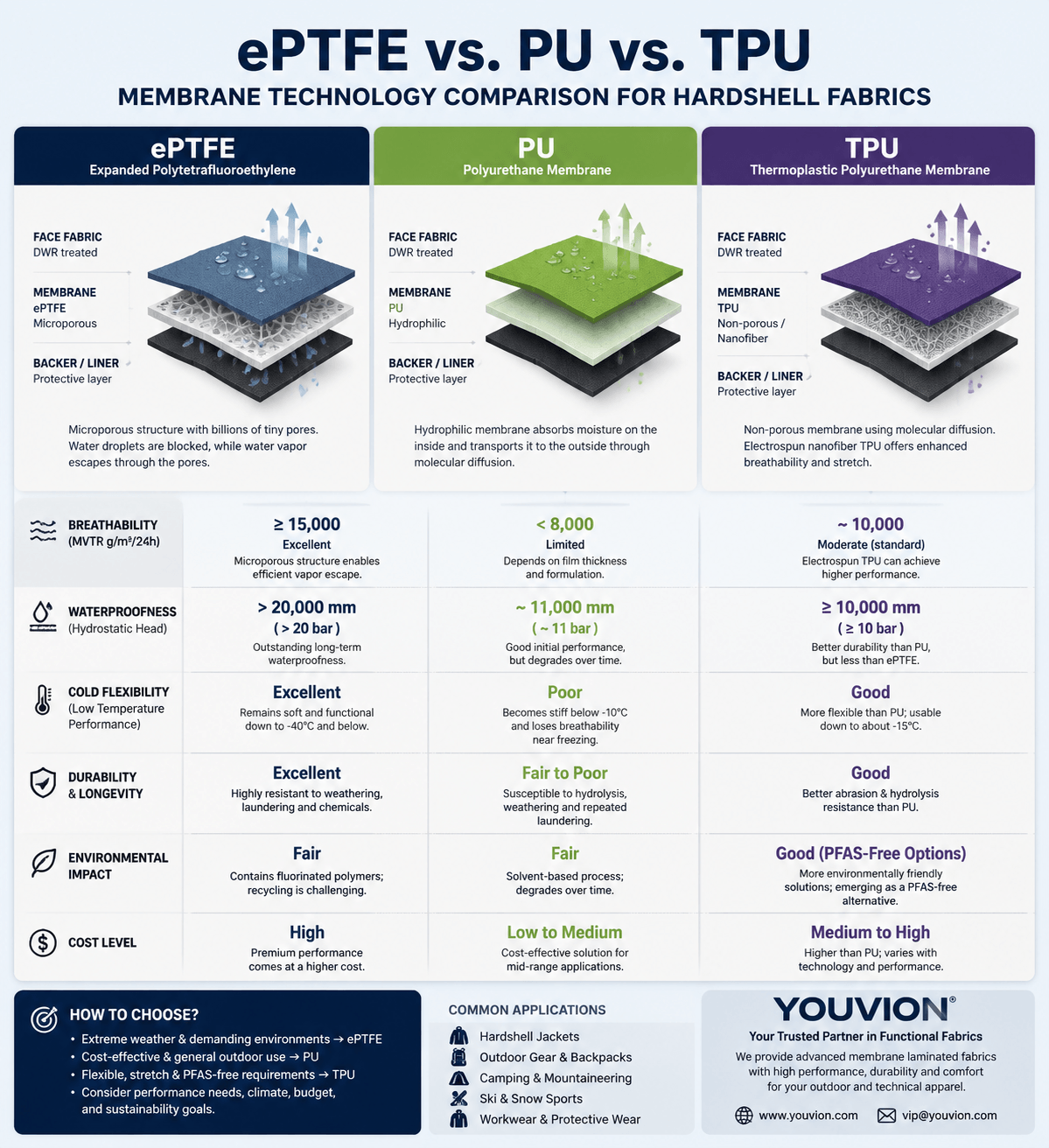
ePTFE vs. PU vs. TPU Membranes: A Technical Guide for Hardshell Fabrics
Layne | 08-09-2026 | Views 154 times
ePTFE vs. PU vs. TPU Membranes: A Technical Guide for Hardshell Fabrics 1.Introduction: The Critical Role of Membranes in Hardshell Performance 1.1 Defining the Hardshell Application Hardshell jackets represent the pinnacle of outdoor protective apparel, engineered to per...

Hiking 101: Essential Tips for a Safe and Memorable Trail Experience
Layne | 08-07-2026 | Views 138 times
Hiking 101: Essential Tips for a Safe and Memorable Trail Experience Hiking offers one of the most accessible and rewarding ways to connect with nature. Whether you are chasing panoramic summit views, seeking mental clarity, or simply craving an escape from daily routines, ...

Hard Shell vs Soft Shell Jacket: Answer These 7 Questions Before You Buy
Layne | 08-04-2026 | Views 276 times
Hard Shell vs. Soft Shell Jacket: Answer These 7 Questions Before You Buy The One-Sentence Rule You Can Use Right Now: If you’re going somewhere where more than 20 minutes of rain would ruin your day → get a hard shell. If you’re doing something that makes you...

Beyond the Surface: 5 Key Directions in High-Performance Outdoor Fabrics for 2026 and Beyond
Layne | 07-24-2026 | Views 483 times
5 Key Directions in High-Performance Outdoor Fabrics for 2026 and Beyond The outdoor apparel industry is in the midst of a material revolution. Today’s consumers demand more than just weather protection—they seek clothing that disappears on the body, int...
Send Your Inquiry
Get a quote within 24 hours